
 EN
 ar
 bg
 hr
 cs
 da
 nl
 fi
 fr
 de
 el
 hi
 it
 ko
 no
 pl
 pt
 ro
 ru
 es
 sv
 tl
 iw
 id
 lv
 lt
 sr
 sk
 sl
 uk
 vi
 et
 hu
 th
 tr
 fa
 ms
 hy
 ka
 ur
 bn
 mn
 ta
 kk
 uz
 ku

digital inclinometer dual axis
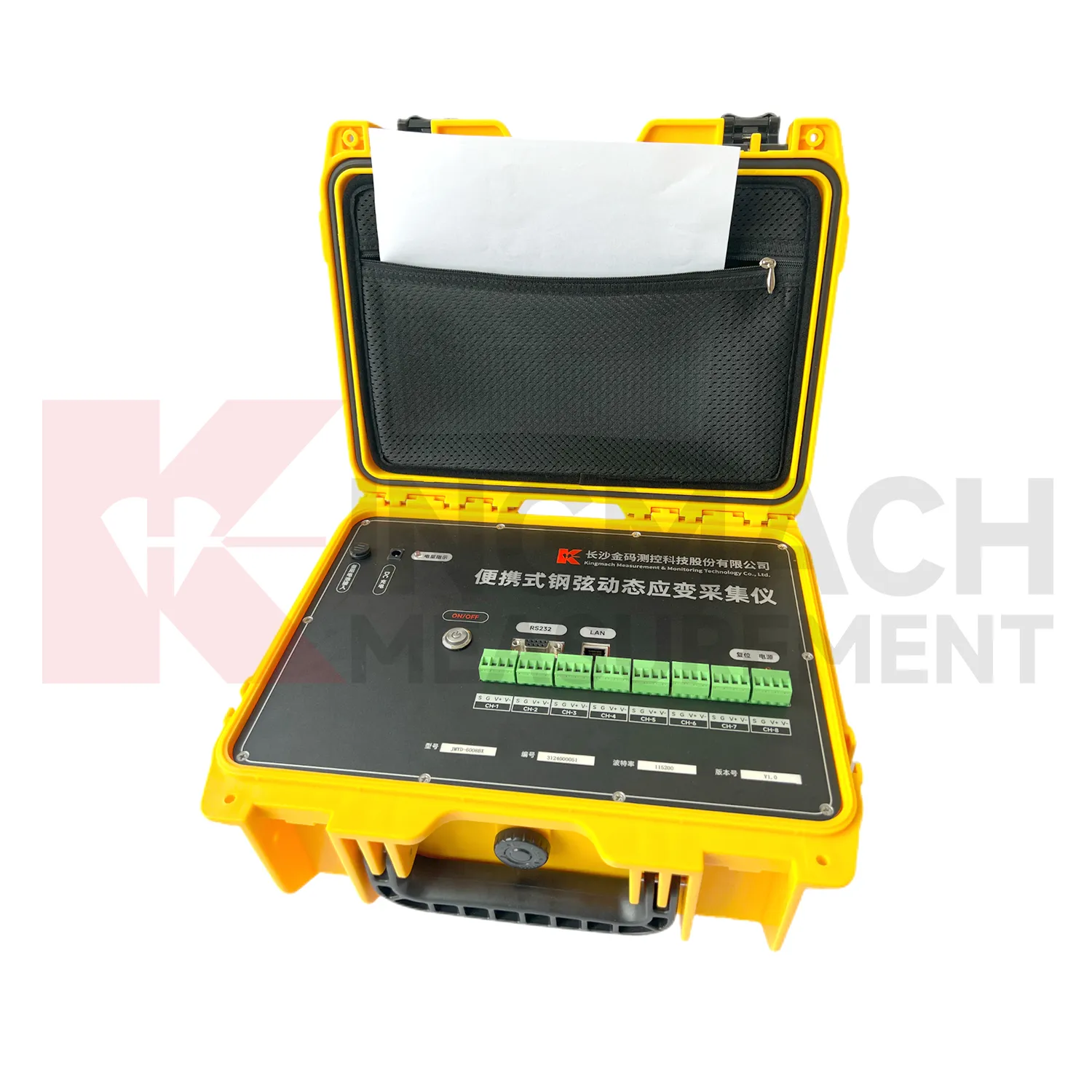
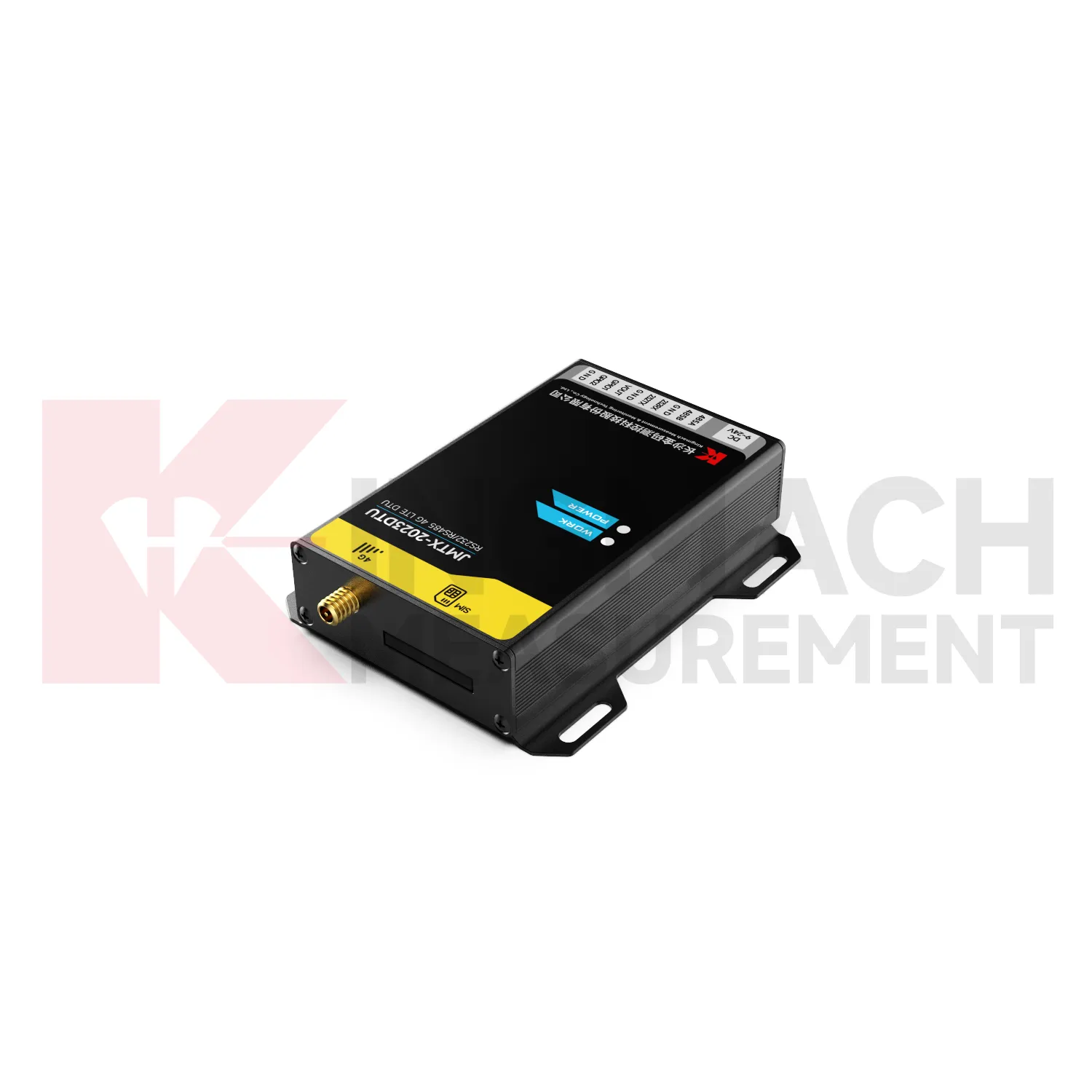
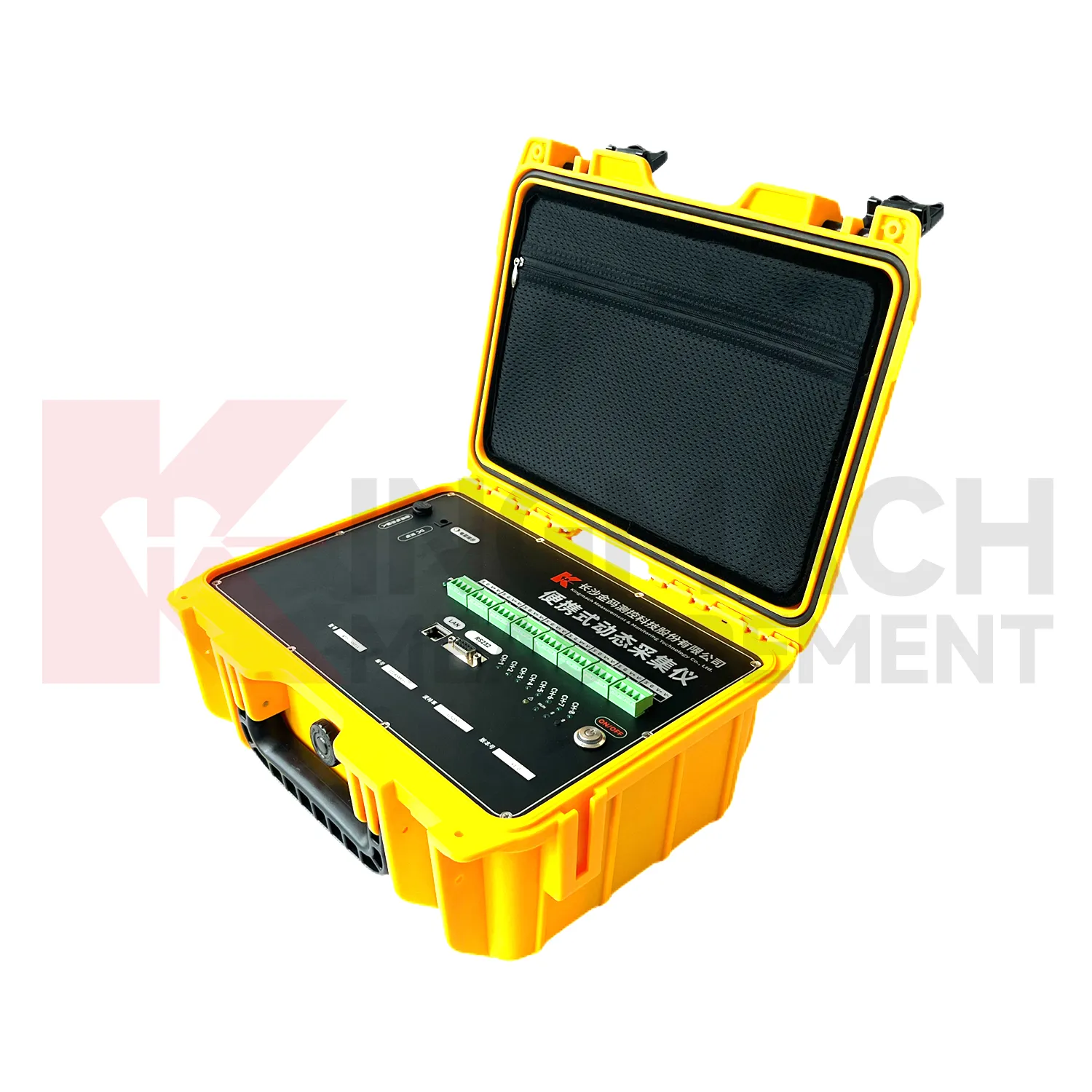
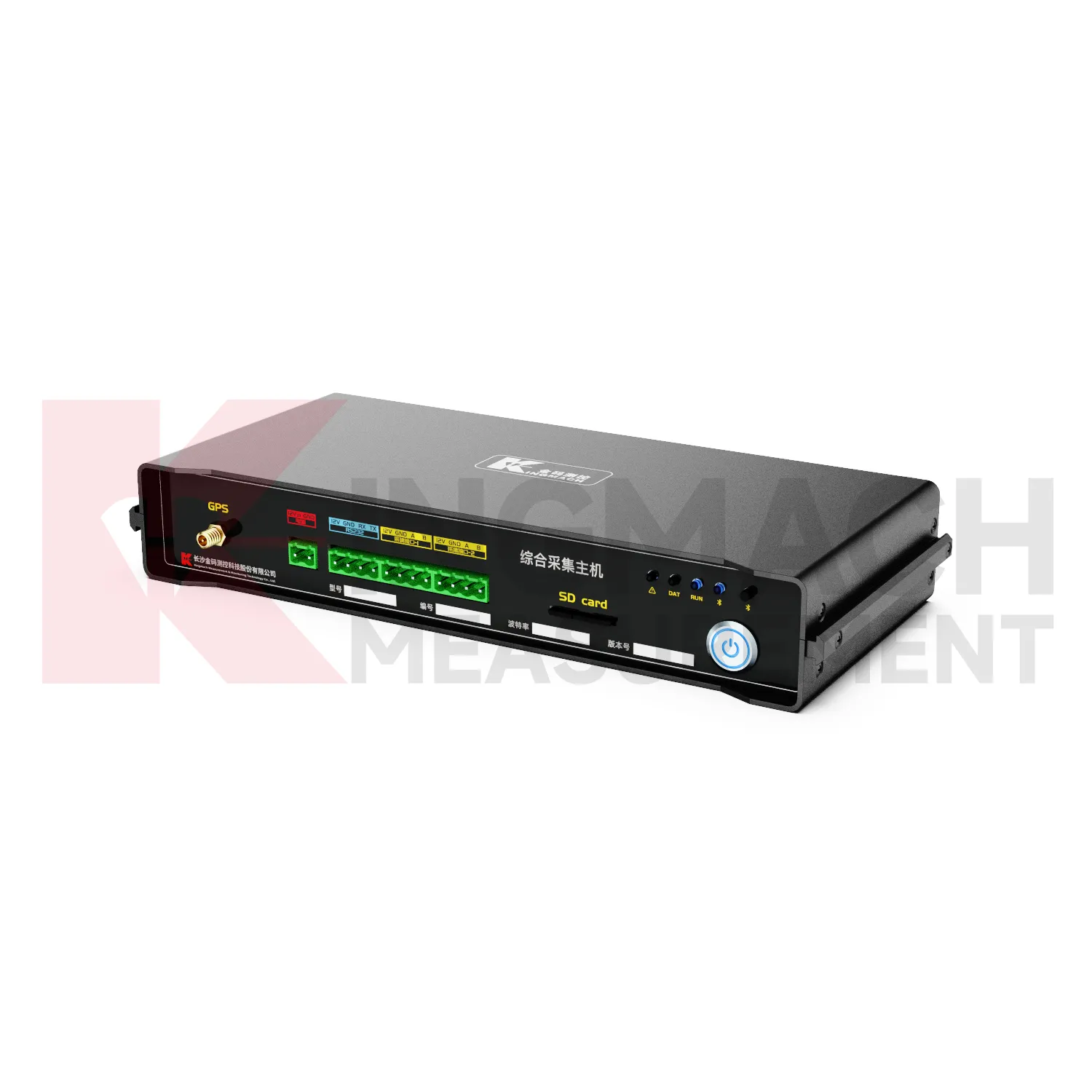
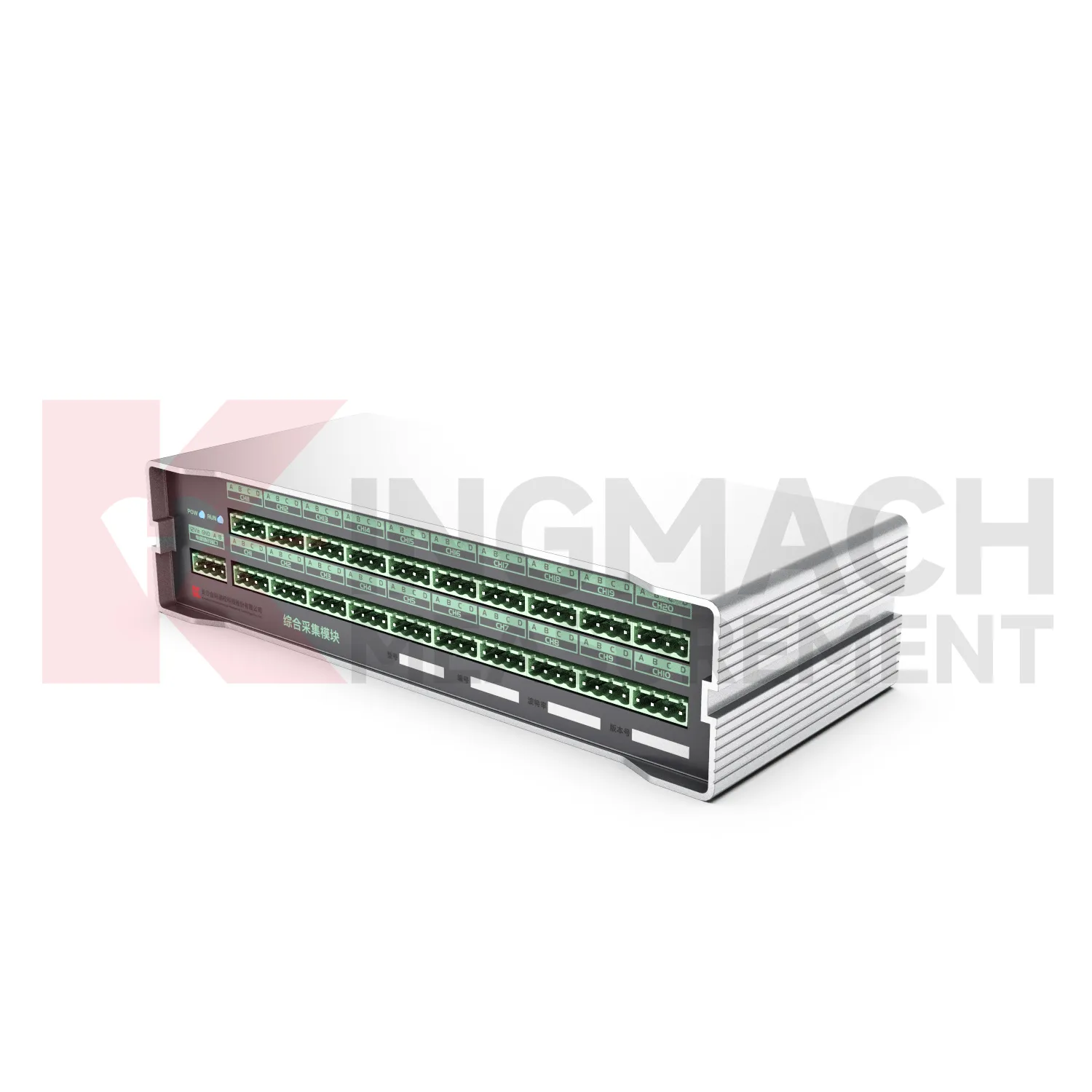
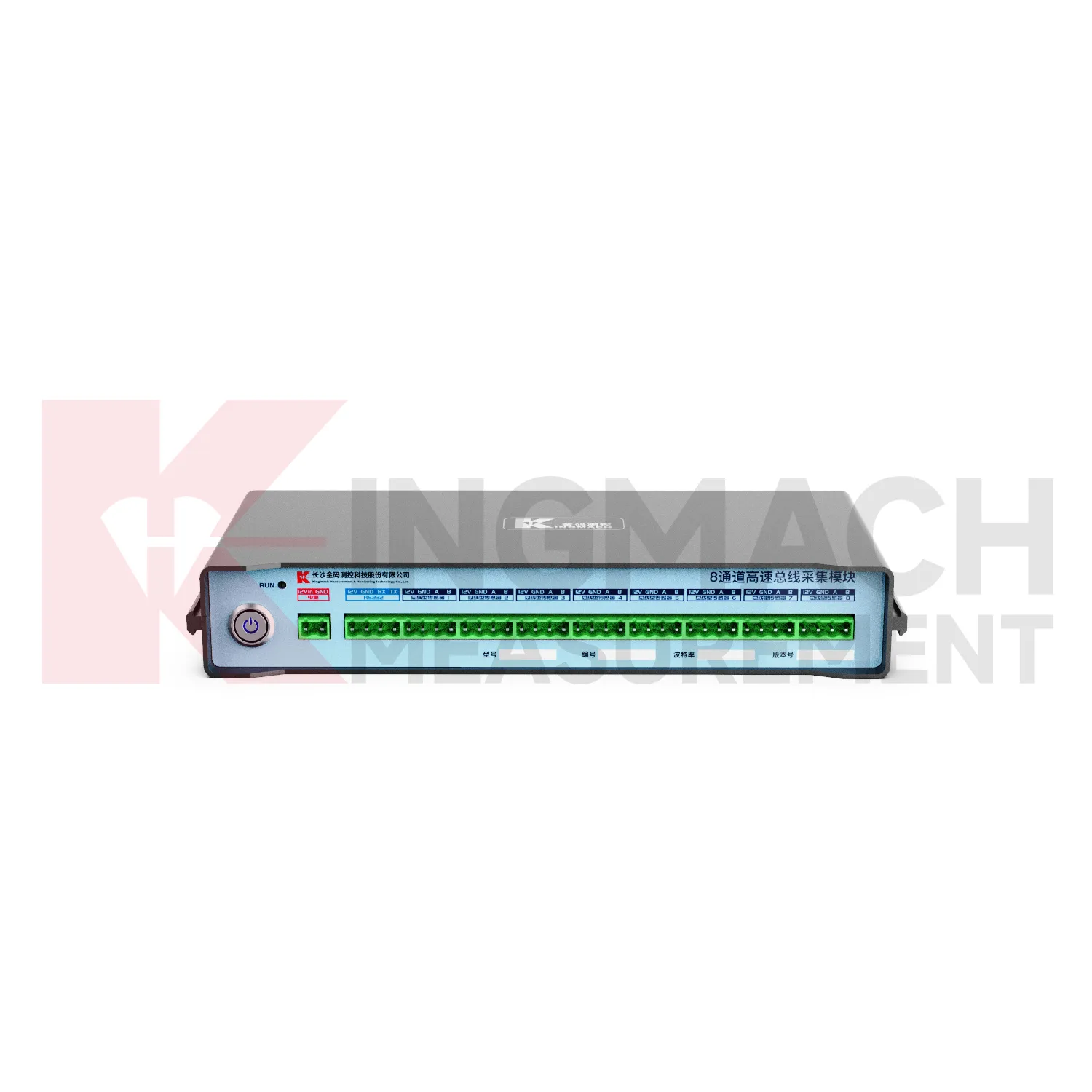
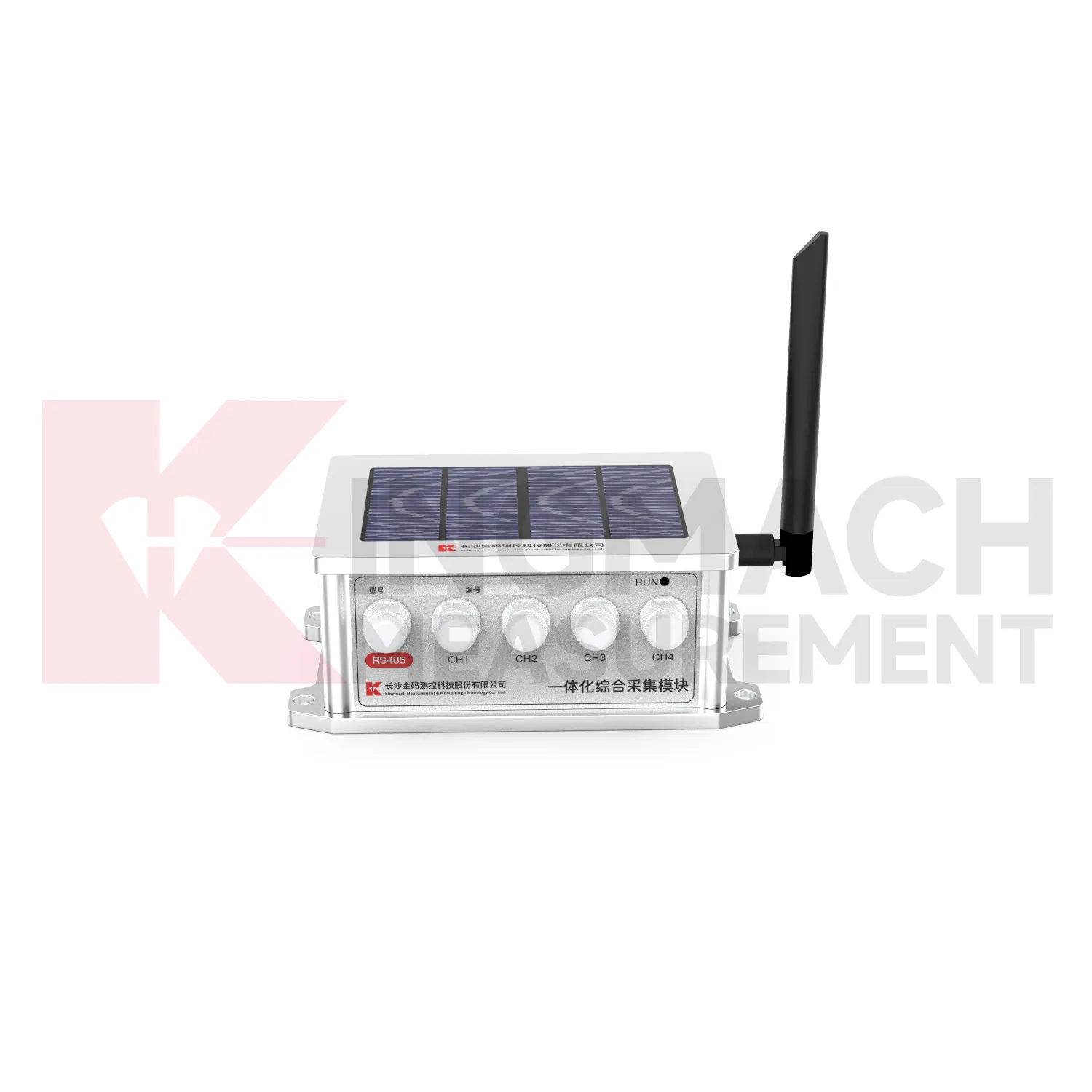
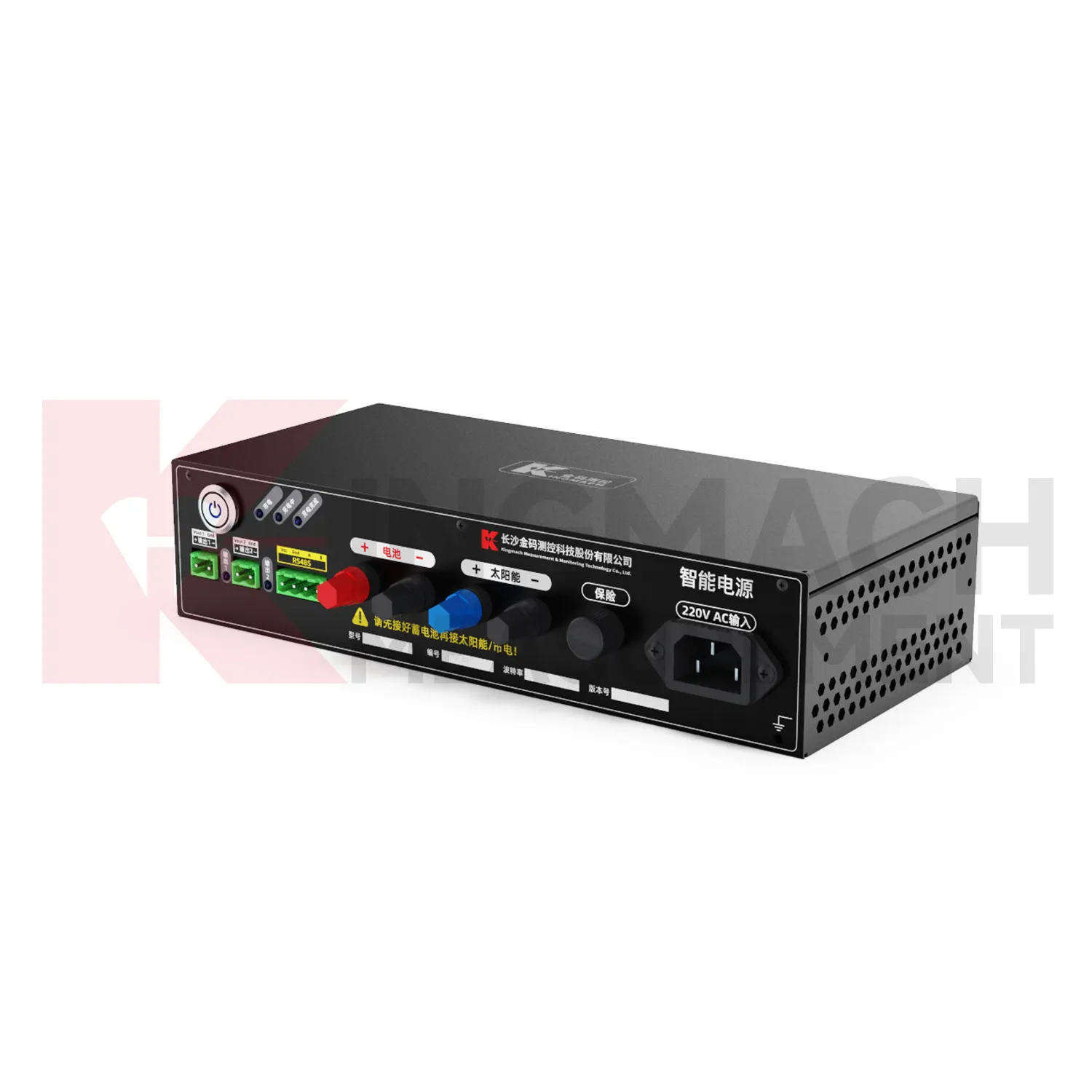
Kingmach digital inclinometer dual axis are designed for the practical data chain that starts at the sensor and ends with engineering review. The category covers handheld verification, automatic logging, field display, wireless transmission, local storage, and data export. A comprehensive readout is useful for commissioning because it can confirm sensor identity, physical values, and temperature-related information on site. A dynamic strain data logger is useful when vibrating wire sensor signals need synchronized acquisition for construction or structural monitoring. A low-power wireless logger is useful when a remote point must collect data over long periods with limited access. These devices are most effective when channel labels, point locations, communication settings, and maintenance records are planned before installation. The project file should define how each reading moves from the field device to the reviewed record. That includes who names channels, who checks first values, where exported files are stored, and how abnormal readings are confirmed. When these steps are clear, the acquisition device becomes part of a controlled monitoring process rather than a separate instrument. This helps engineering teams trace values back to the correct sensor, location, time period, and field condition during later review. It also supports cleaner handover when the project changes from construction monitoring to owner operation.
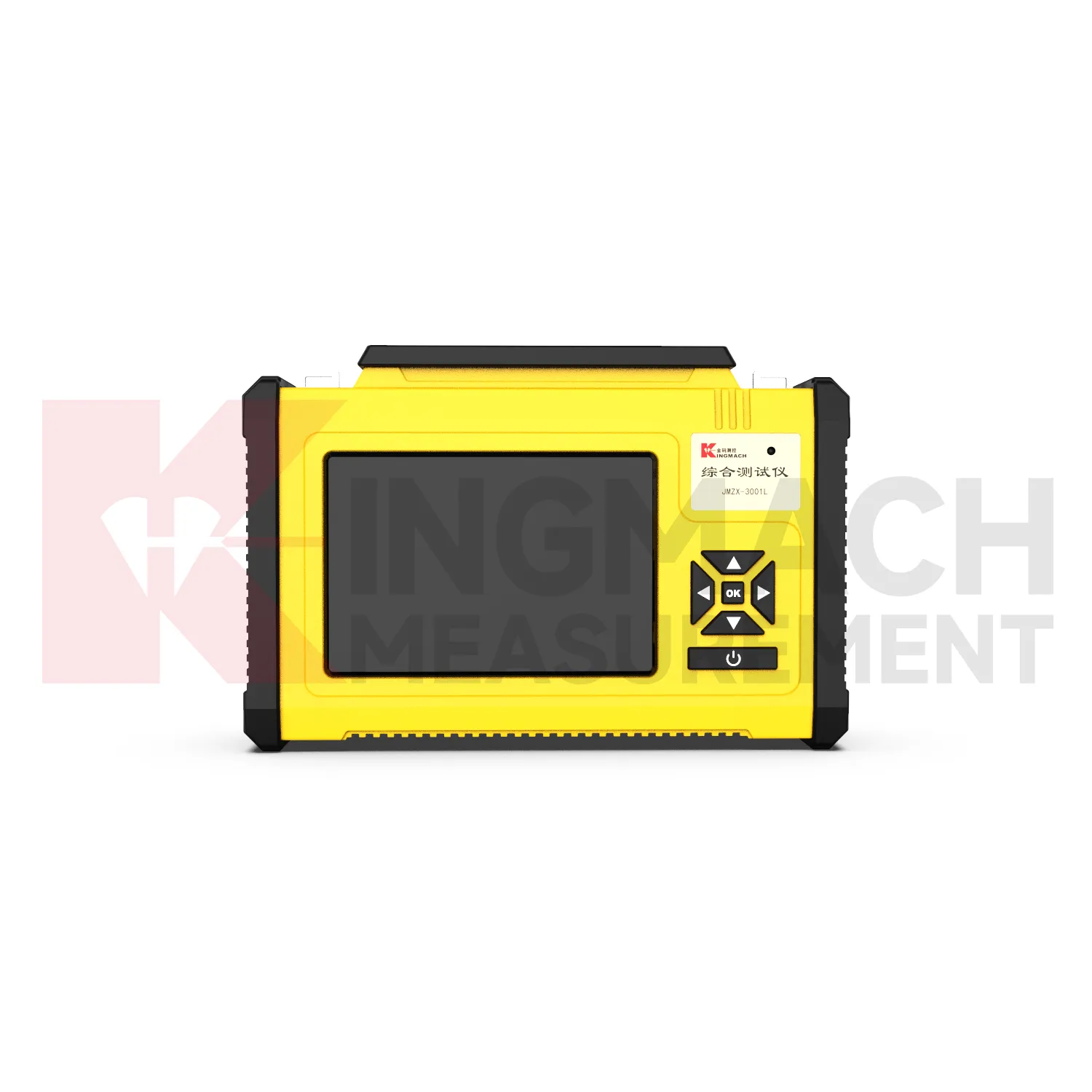
Application of digital inclinometer dual axis
Building and wind tower monitoring uses Kingmach digital inclinometer dual axis when motion, strain, tilt, temperature, and environmental records must be connected to operating conditions. A portable dynamic acquisition readout can support vibration testing, equipment influence checks, or temporary event capture. Automatic data loggers can collect long-term records for structural response, construction effect, or maintenance review. In tall structures, wind, temperature, occupancy, equipment start-up, and nearby construction can all affect measured behavior. The acquisition record should therefore include event time, sensor position, channel identity, and related site notes. This helps engineers distinguish normal response from a pattern that deserves inspection. Wind tower and building projects also need records that connect structural response with weather and operating events. A vibration trace during high wind, a tilt change after equipment installation, or a strain change during construction work should be stored with the condition that caused it. Clear station names, floor levels, tower sections, and event notes help reviewers compare repeated behavior over time. This makes the acquisition device part of structural interpretation rather than a simple storage box. It also supports maintenance review when owners need to compare tower response, building equipment effects, and temporary construction influence across different operating periods. during engineering review.
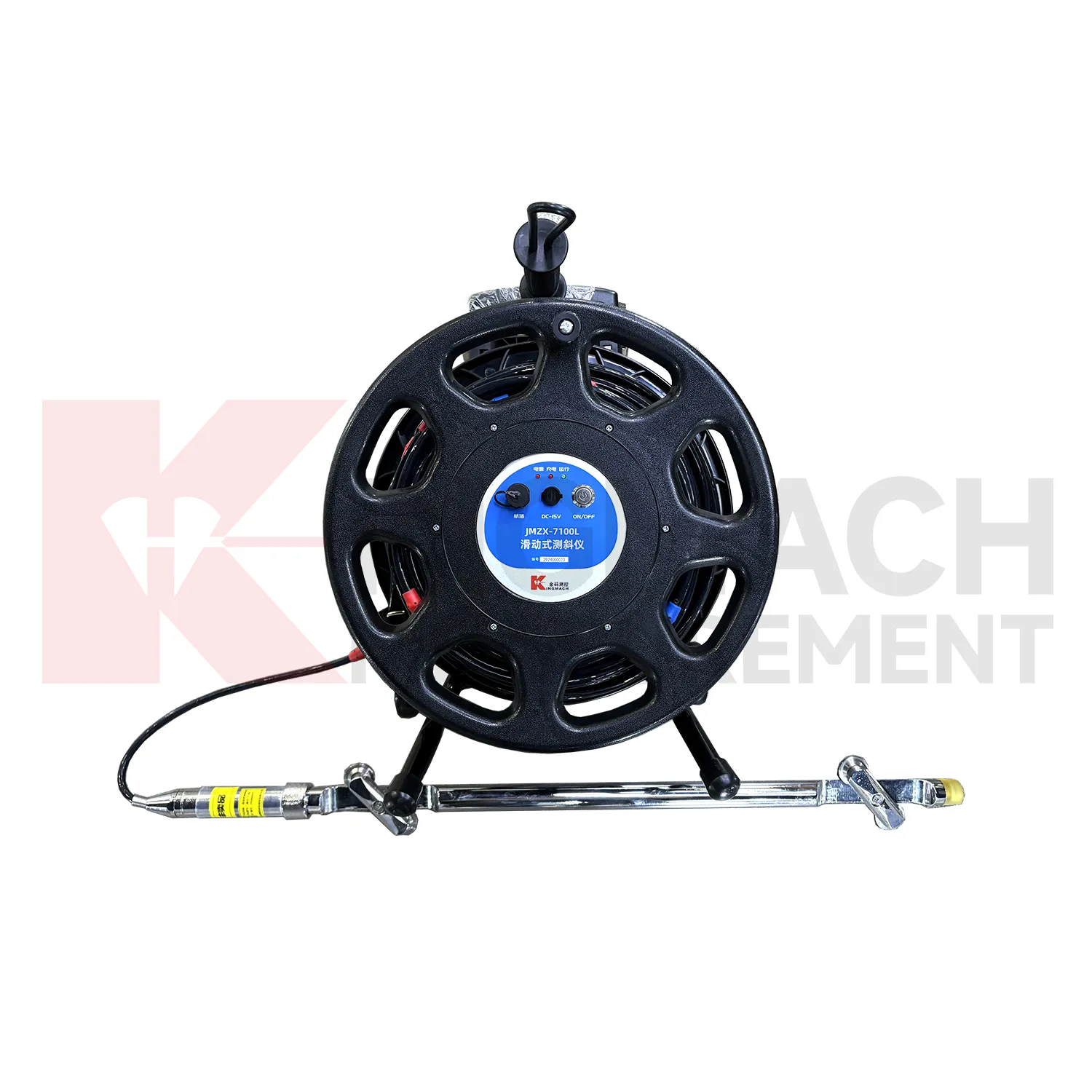
The future of digital inclinometer dual axis
Future Kingmach digital inclinometer dual axis will make reporting easier for mixed audiences. Field technicians, engineers, construction managers, asset owners, and maintenance teams do not use data in the same way. A technician needs point status and sensor response. An engineer needs trends and event context. An owner needs a reliable summary of asset behavior. Future acquisition systems should help organize the same record into views that fit these roles while keeping the underlying data traceable. This makes monitoring more useful across the full project life. Role-based reporting can keep technical detail available without forcing every user to read the same view. Maintenance staff may need battery and connection status, while engineers may need comparison charts and export files. Owners may need trend summaries and exceptions. A clearer reporting structure will make acquisition data easier to act on. It also reduces the need to rewrite data manually for each meeting or report. later.
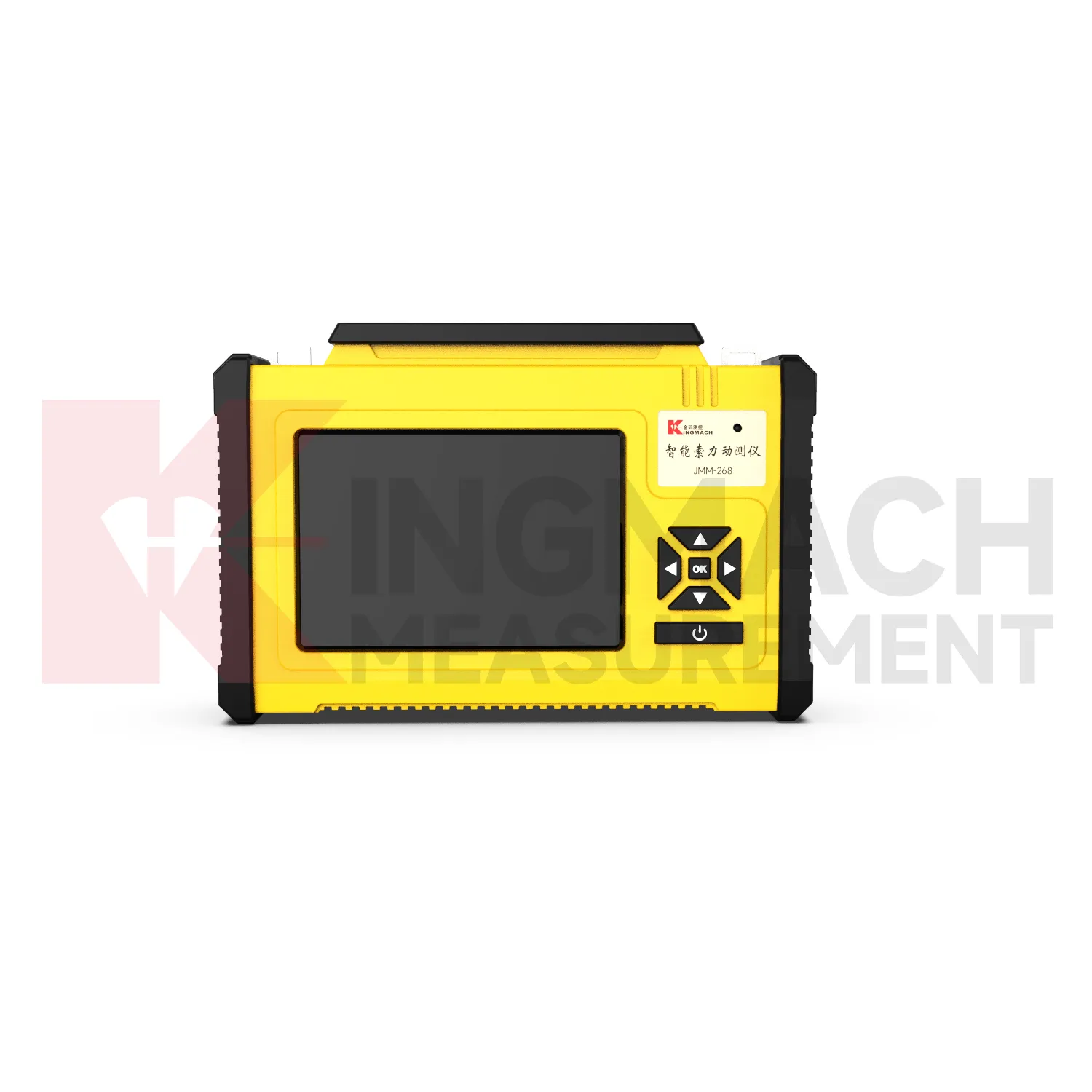
Care & Maintenance of digital inclinometer dual axis
Dynamic acquisition maintenance for Kingmach digital inclinometer dual axis should focus on timing, synchronization, and signal condition. Check channel connections, grounding, sampling settings, event names, trigger rules, and storage capacity before a test. Dynamic records are difficult to repeat when the event is train passage, blasting, impact, or machinery start-up. After the test, save raw data, event notes, sensor positions, and any abnormal site activity. This maintenance discipline helps engineers interpret the waveform and compare repeated events without uncertainty about the acquisition setup. Before the next test, review whether the previous event was captured cleanly. If a channel clipped, drifted, lost connection, or showed unexpected noise, correct the setup before relying on another event. Dynamic maintenance is therefore part of test quality, not only equipment care. The maintenance file should include sampling settings, trigger notes, cable condition, sensor mounting status, and storage location for raw files. These details help engineers repeat the test method later and compare event records under similar conditions.
Kingmach digital inclinometer dual axis
Kingmach digital inclinometer dual axis support projects where many sensor types must be read consistently across installation, construction, and operation. Portable readouts are useful when field crews need immediate confirmation of a vibrating wire sensor, temperature point, or dynamic signal before leaving the site. Fixed and wireless loggers are useful when the project needs unattended monitoring, scheduled acquisition, or remote upload. The buyer should evaluate the complete workflow: which sensors are connected, how often readings are needed, how data is stored, who reviews alarms, and how records are handed over. A reliable acquisition plan reduces missed readings and makes later engineering review easier. For mobile testing, the operator also needs clear channel naming, stable sensor connection, charged power, and a short note about the test condition before the instrument is moved to the next point. For remote stations, the acquisition interval, upload status, battery condition, enclosure condition, and last maintenance visit should remain visible so unattended monitoring does not become a blind record.
FAQ
Q: How should devices be maintained?
A: Maintain batteries, connectors, labels, cable routes, enclosures, communication settings, storage, and exported records according to site conditions.
Q: Why record setting changes?
A: A changed interval, communication method, channel name, or firmware state can affect later interpretation, so the date and reason should remain visible.
Q: Can data be reviewed remotely?
A: Wireless and platform-connected devices can support remote review when communication, power, upload settings, and channel identity are configured correctly.
Q: What makes long-term records useful?
A: Long-term records stay useful when baseline values, maintenance notes, device status, sensor locations, and normal behavior examples remain available.
Q: What should buyers ask suppliers?
A: Buyers should ask about sensor compatibility, channel capacity, power planning, storage, communication, export format, field protection, and after-sales support. The record stays useful when point names, channel labels, sensor type, measurement time, and field condition are kept together, because later reviewers can connect the number with the actual structure and inspection history.
Reviews
Andrew Lee
The visualization software is intuitive and powerful. It helps us analyze monitoring data efficiently.
James Thompson
The tiltmeters and accelerometers are very sensitive and provide precise data. Perfect for our structural health monitoring system.
Latest Inquiries
To protect the privacy of our buyers, only public service email domains like Gmail, Yahoo, and MSN will be displayed. Additionally, only a limited portion of the inquiry content will be shown.
Mia***@gmail.comNetherlands
Dear team, we are interested in your readouts & data loggers compatible with multiple sensors. Do yo...
Emma***@gmail.comCanada
Dear Sir/Madam, we are interested in displacement transducers and settlement sensors for a geotechni...
Related product categories
- electrical data loggers
- pressure data loggers
- temperature and humidity data loggers
- wireless data loggers
- digital data loggers
- portable data loggers
- wireless data loggers temperature and humidity
- wireless temperature data loggers
- vibration data loggers
- water level data loggers
- water pressure data loggers
- gps data loggers