
 EN
 ar
 bg
 hr
 cs
 da
 nl
 fi
 fr
 de
 el
 hi
 it
 ko
 no
 pl
 pt
 ro
 ru
 es
 sv
 tl
 iw
 id
 lv
 lt
 sr
 sk
 sl
 uk
 vi
 et
 hu
 th
 tr
 fa
 ms
 hy
 ka
 ur
 bn
 mn
 ta
 kk
 uz
 ku

electrical data loggers
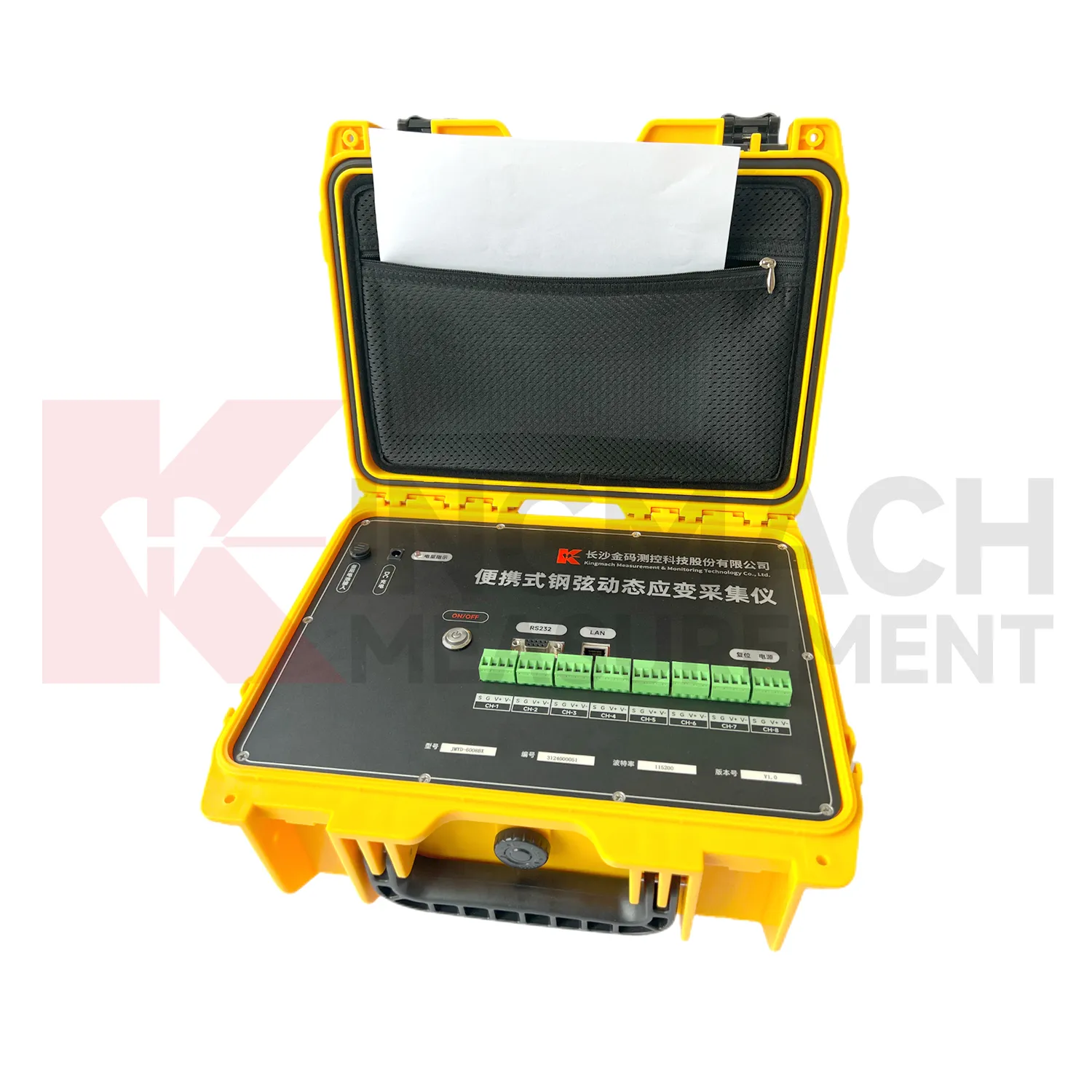
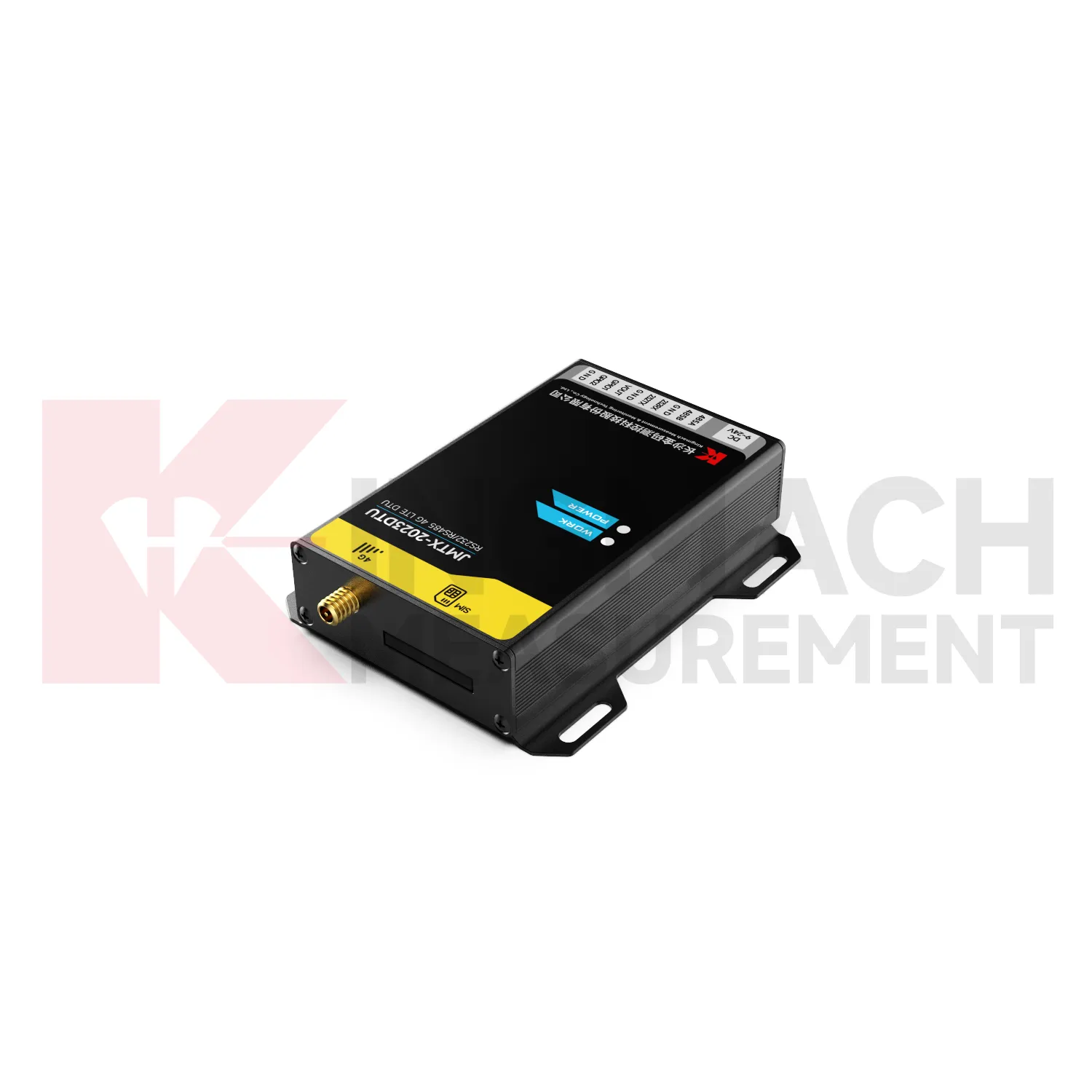
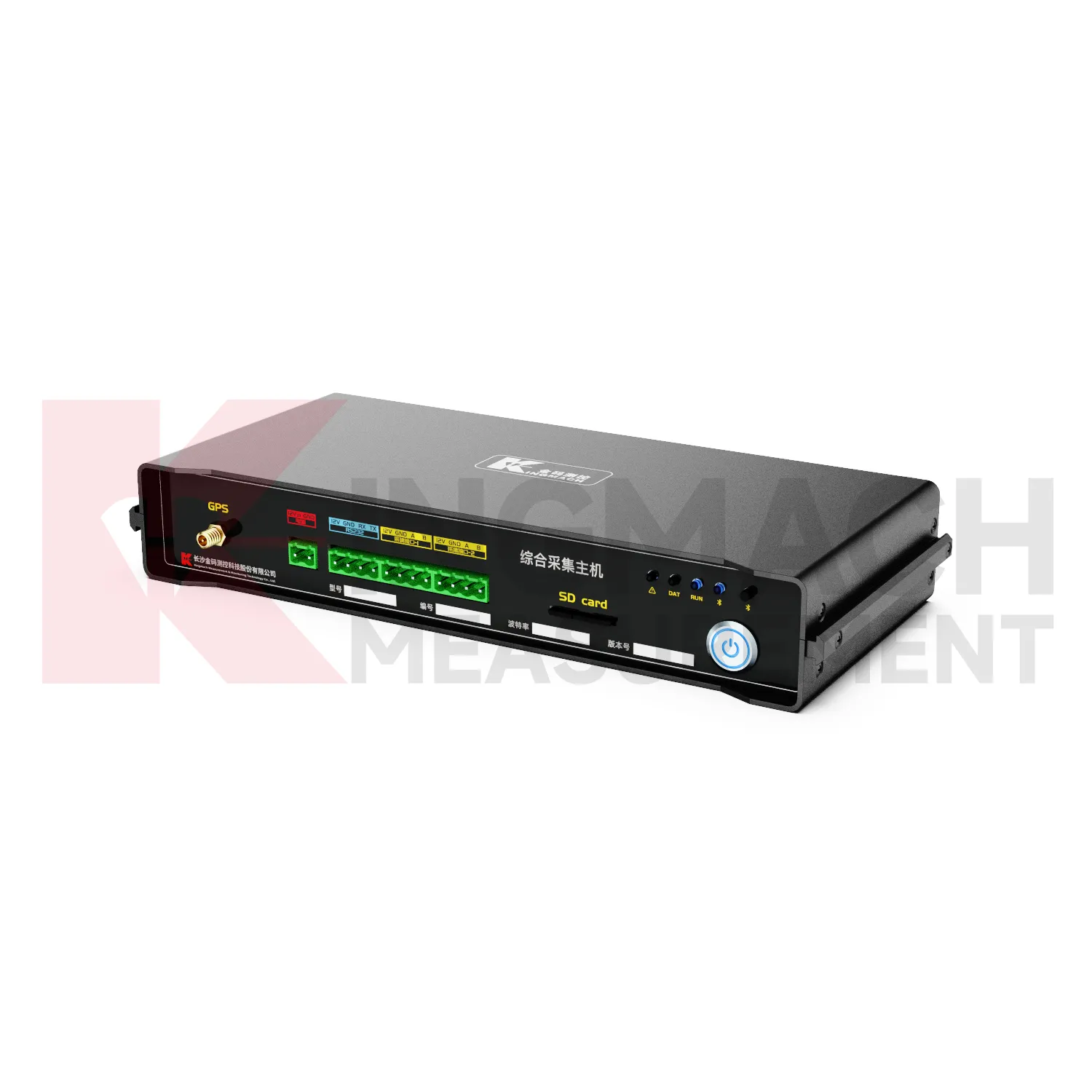
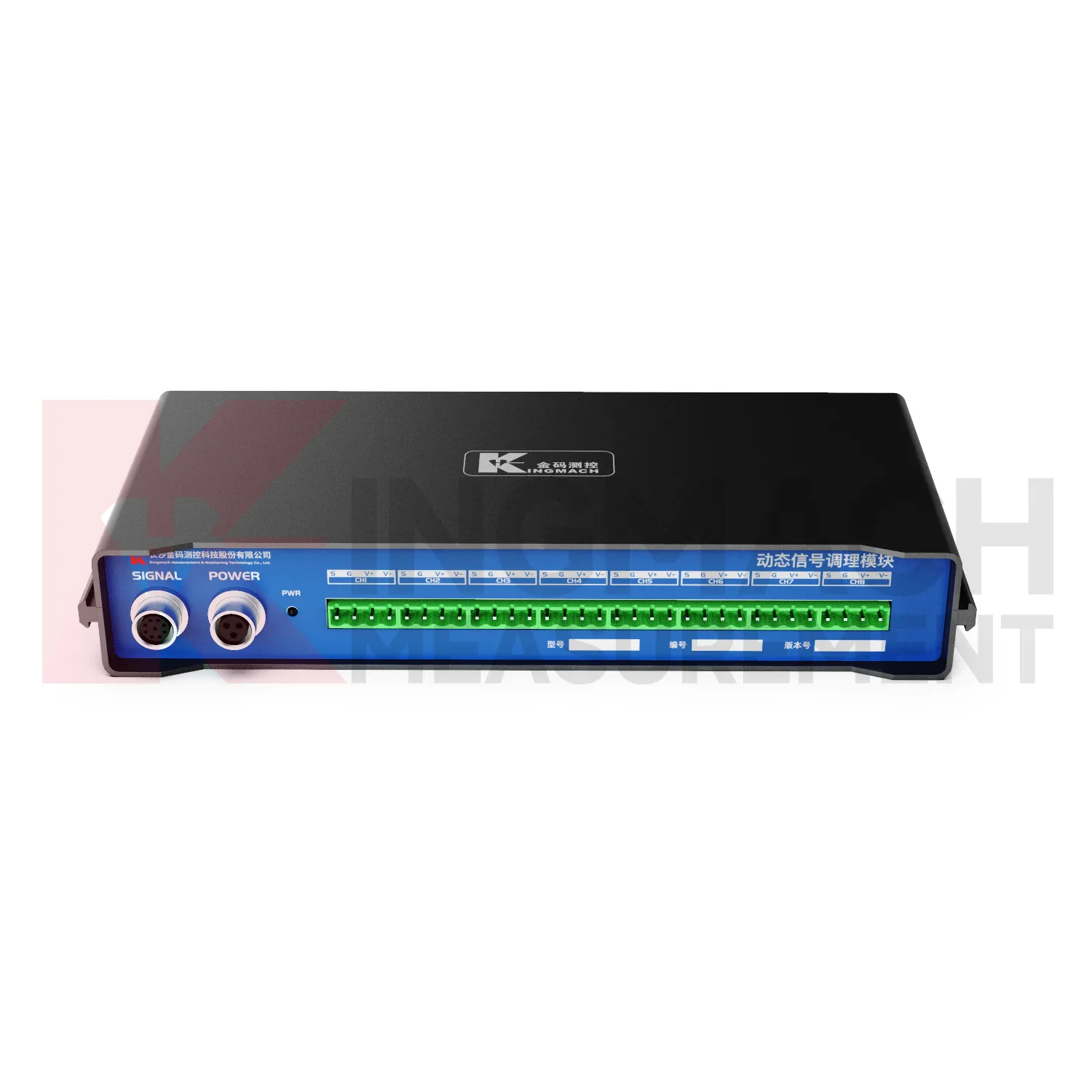
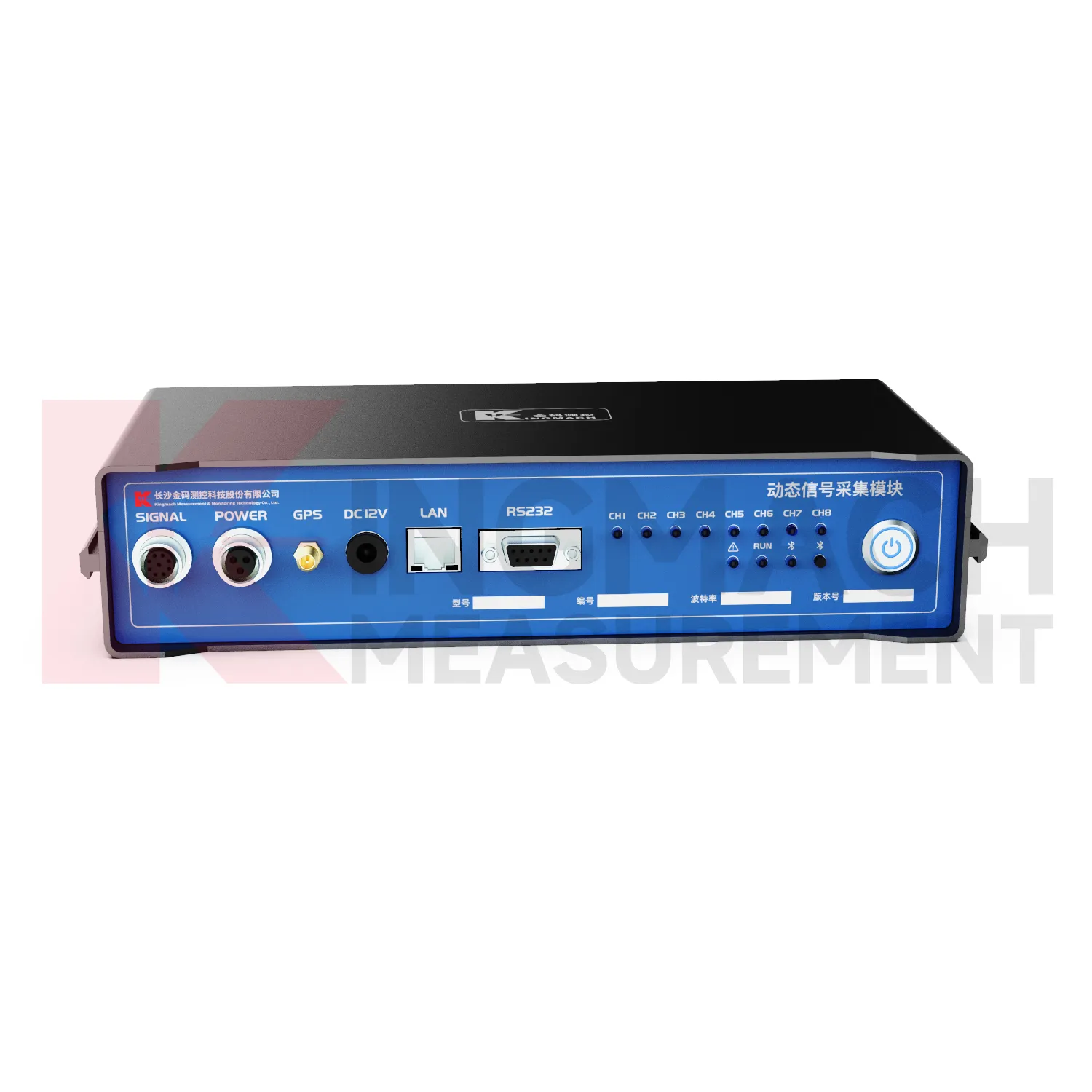
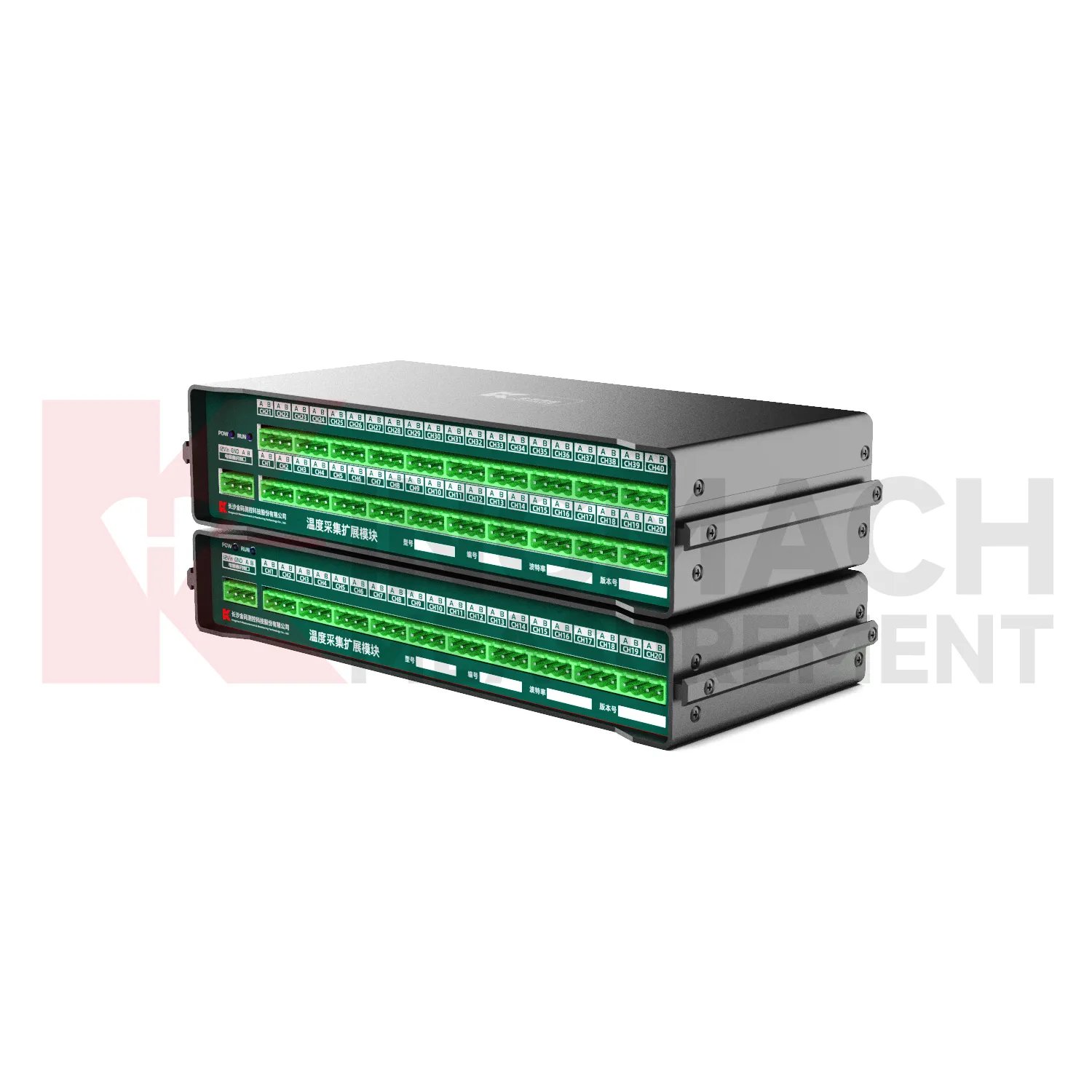
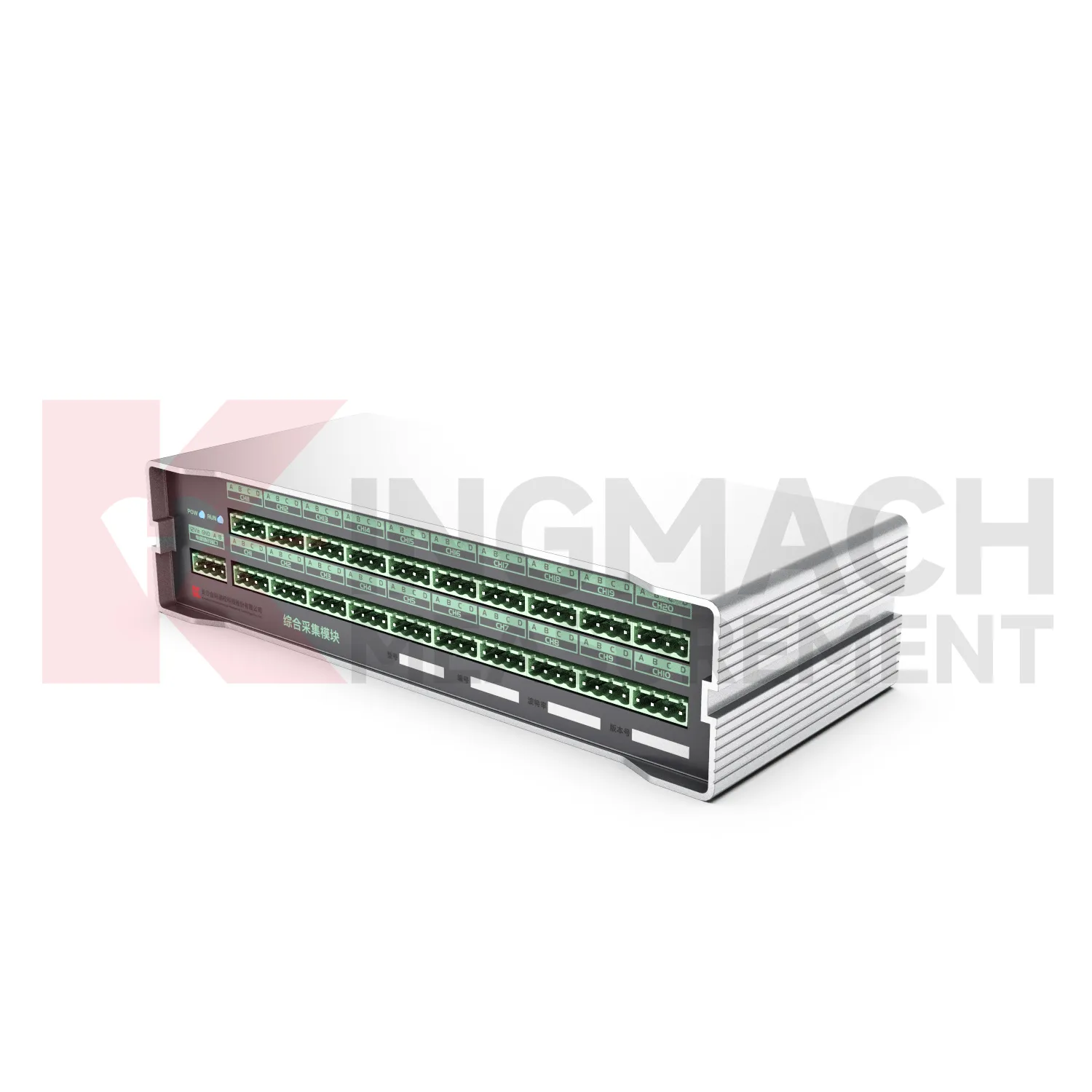
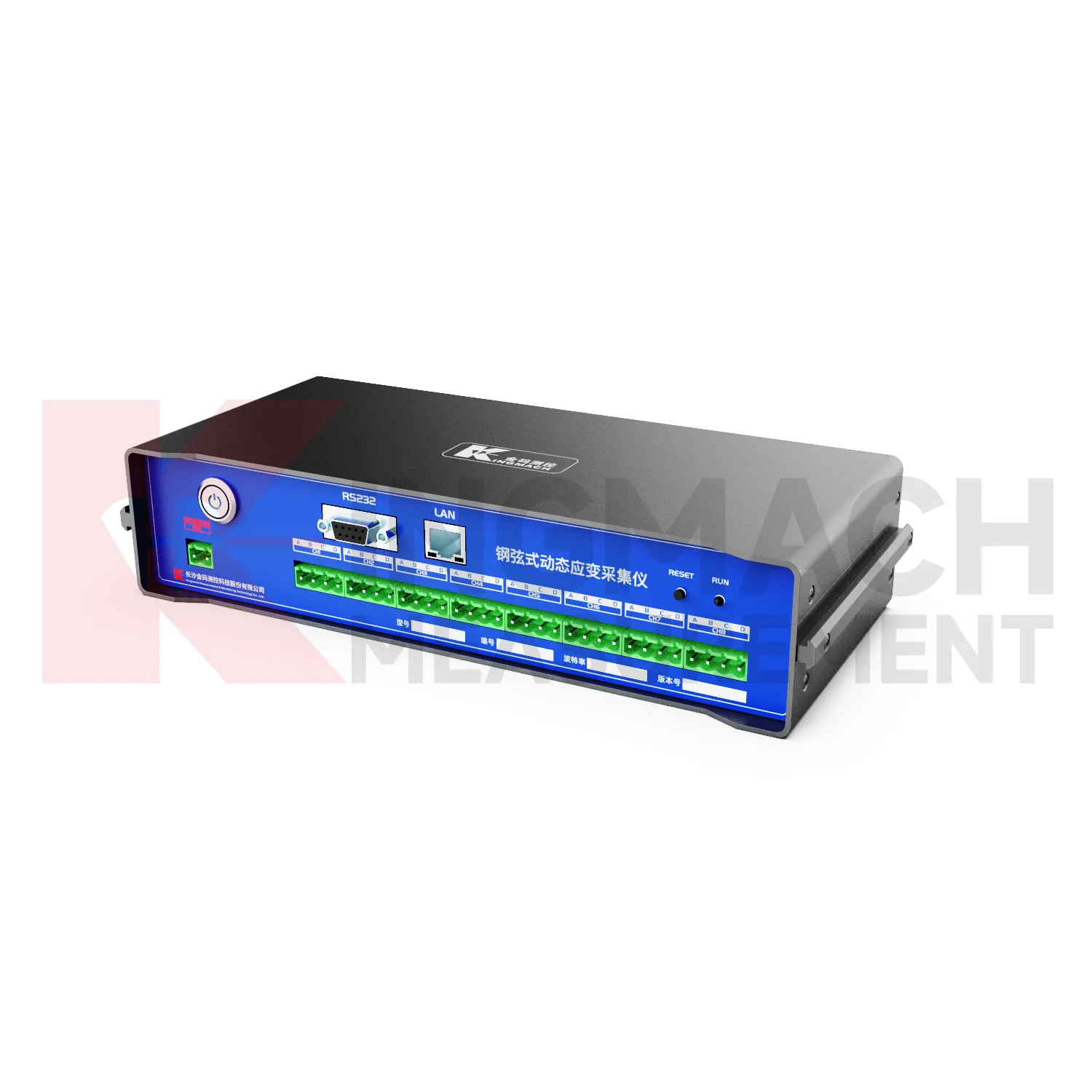
Kingmach electrical data loggers are often selected when a project needs both confidence in individual sensors and organized data management. A sensor may be accurate, but the record can still become difficult to use if channels are mislabeled, upload intervals are unclear, or field notes are separated from values. Acquisition devices reduce that risk when they keep the measurement process disciplined. A readout can verify the point, a logger can continue collection, and a platform connection can support later review. This is important for dams, bridges, tunnels, slopes, buildings, mines, and civil structures where safety-related interpretation depends on a reliable time history. The device also helps teams detect management problems early. Missing intervals, repeated channel names, unexpected upload gaps, or values stored under the wrong point can weaken confidence even when the sensor is healthy. A disciplined acquisition setup gives each reading a clear origin and makes later review easier for engineers, owners, and maintenance teams. That discipline turns individual sensor signals into a usable project record. In long projects, this is important because construction teams, monitoring specialists, and asset managers may all handle the same data at different times. Clear acquisition discipline keeps their work connected. across project phases. and audits.
Application of electrical data loggers
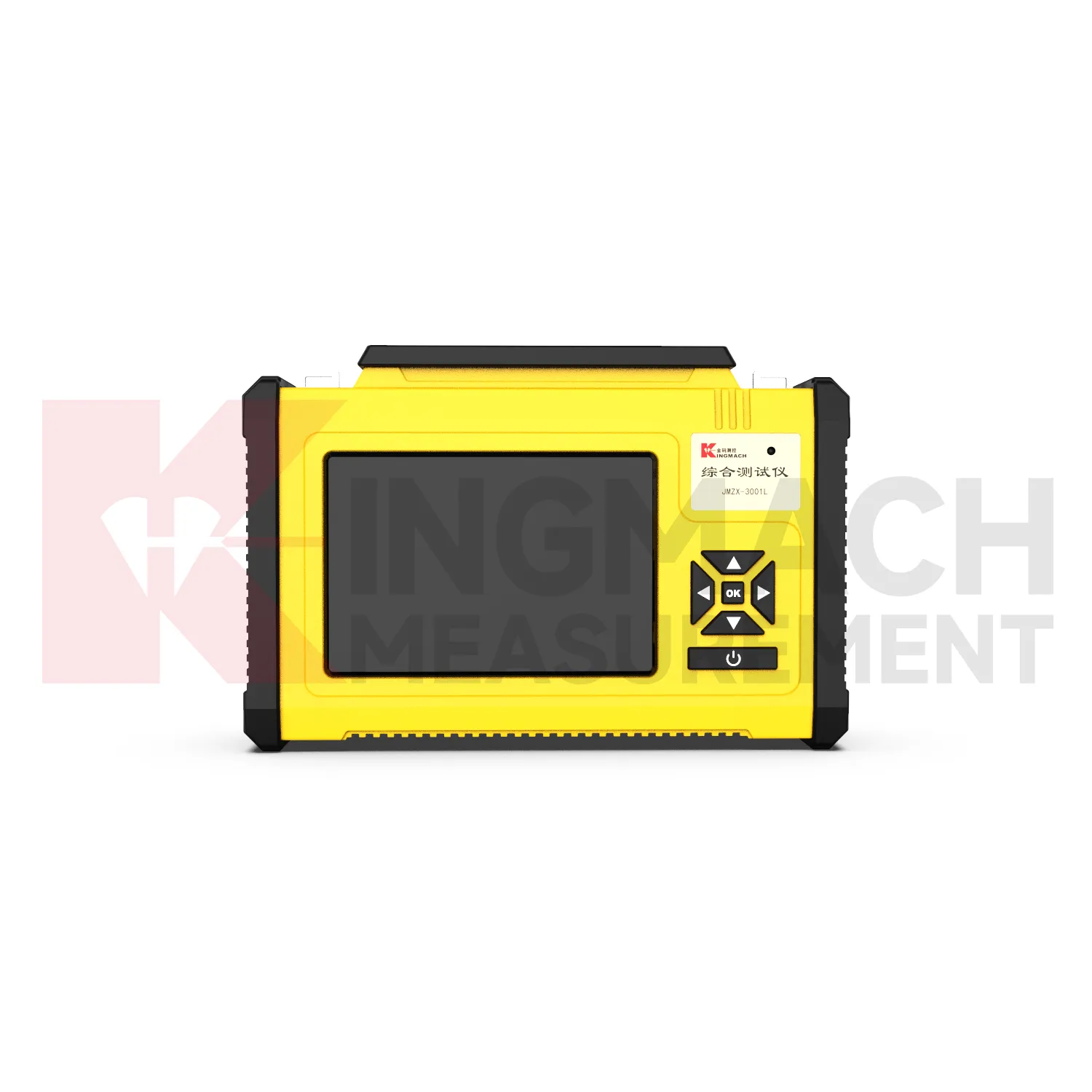
Temporary construction monitoring uses Kingmach electrical data loggers when sensor networks are installed for a limited period but still require reliable records. A foundation pit, bridge strengthening project, tunnel crossing, or demolition influence study may need readouts for commissioning and data loggers for daily acquisition. Temporary does not mean casual: point names, sensor lists, data intervals, and export methods should be defined before monitoring starts. Portable devices help crews move between points, while wireless or fixed devices help maintain continuity when the site is busy. A clean acquisition record helps contractors and owners discuss measured behavior with fewer disputes about timing or source. Temporary projects also need fast setup and clean removal. The acquisition device should make it clear which points are active, which have been removed, and which records belong to each work stage. When the project ends, exported files, baseline notes, and final readings should be saved together. This gives the owner a usable history even after temporary equipment leaves the site. It also helps project teams answer questions about what happened during a specific construction period, instead of relying on memory after the work is finished. during claims or handover review. with fewer disputes. after completion. clearly. for owners.
The future of electrical data loggers
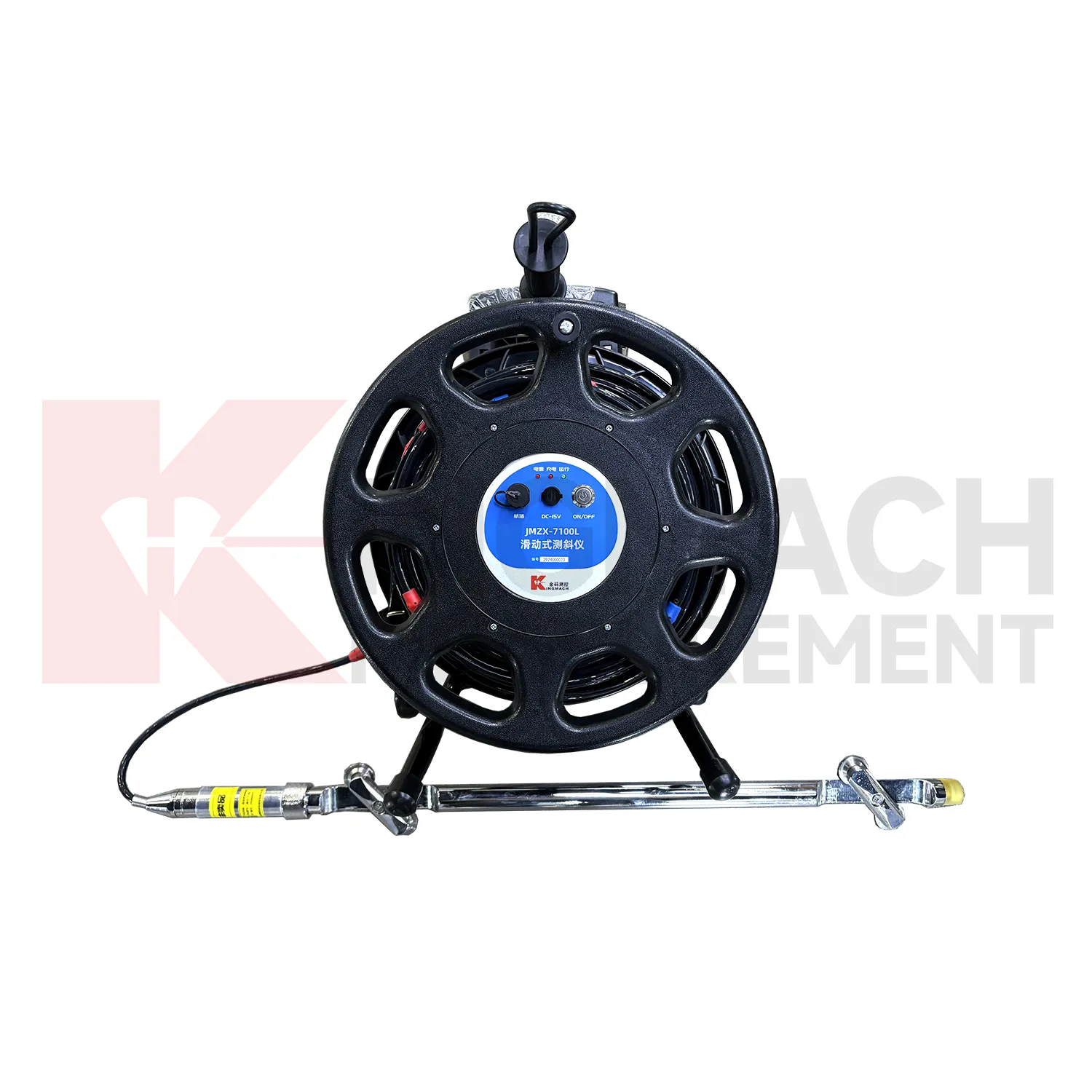
Future Kingmach electrical data loggers will give project teams more flexible acquisition intervals. Some sensors need frequent readings during excavation, loading, rainfall, or dynamic testing. Other sensors need stable long-term records at slower intervals. The ability to match acquisition timing to project behavior helps control data volume while preserving important events. Future devices should make interval changes traceable so reviewers know why a record became faster or slower at a certain date. This is important when construction stages or risk levels change. Flexible intervals should also protect the meaning of long-term trends. If a station records every minute during excavation and every hour after stabilization, the report should show that change clearly. Reviewers can then compare data periods correctly instead of treating different acquisition modes as if they were the same. This will help owners manage storage volume, event detail, and reporting clarity without losing engineering context. across project stages. over time.
Care & Maintenance of electrical data loggers
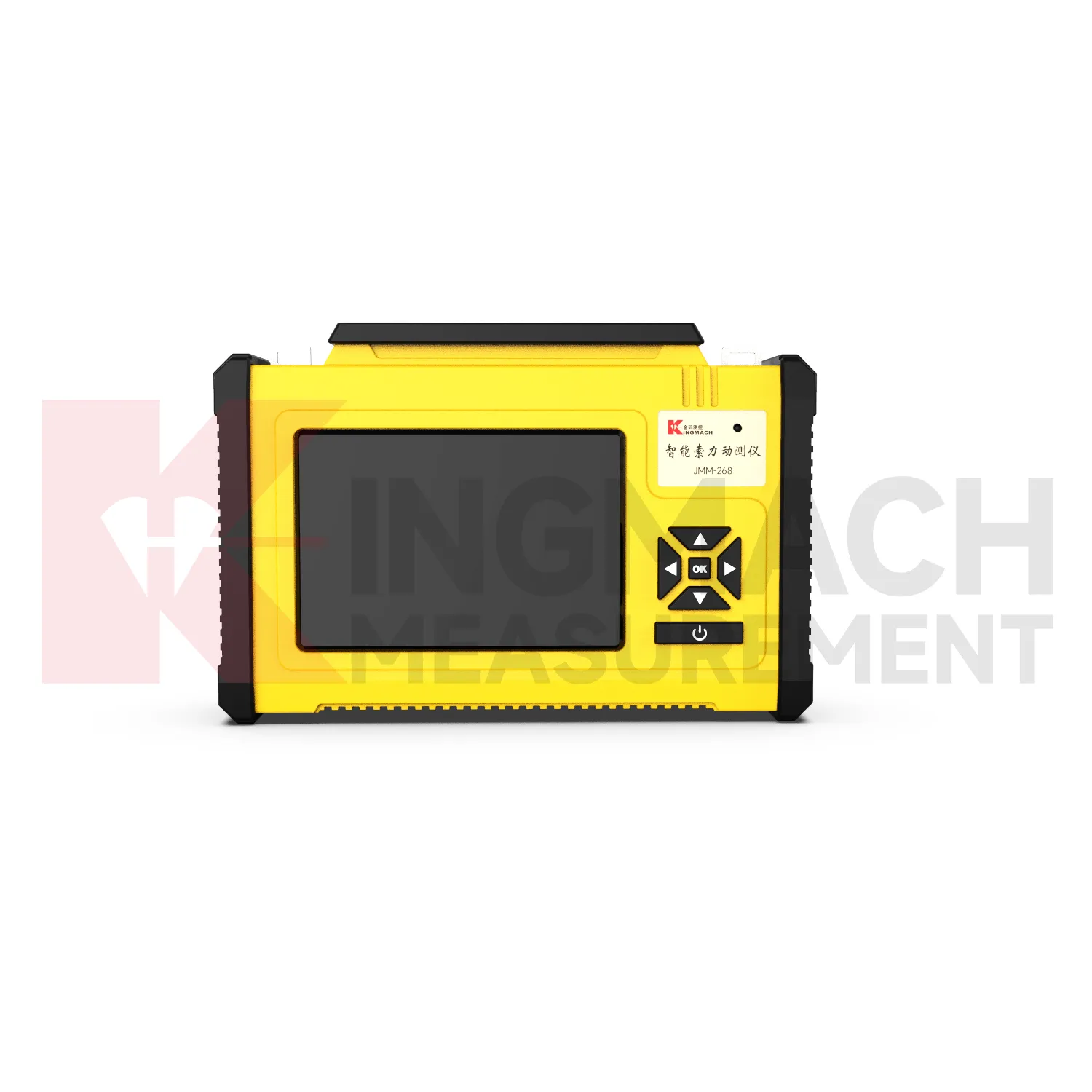
Battery and power checks are essential for Kingmach electrical data loggers. Portable readouts need charged batteries before inspection rounds, while remote loggers need stable supply, low-power settings, or solar charging where applicable. A weak battery can create missing readings, interrupted uploads, or unstable acquisition during the period when data is needed most. Maintenance teams should record charge status, replacement dates, power mode, and any abnormal shutdown. For unattended stations, voltage history and last upload time should be reviewed together. This helps distinguish a site event from a power-related data gap. Power maintenance should also consider seasonal access. A slope station may be difficult to reach after rain, and a dam gallery may require planned entry. If battery replacement, solar panel cleaning, or charger inspection is delayed, the risk should be visible in the station notes. Clear power history helps engineers decide whether missing data reflects device condition or real site behavior.
Kingmach electrical data loggers
Kingmach electrical data loggers make sensor readings easier to verify before the data becomes part of a formal project record. A technician can use a readout to check whether a sensor responds, whether the channel name matches the physical point, and whether the value looks reasonable beside site conditions. A data logger can then continue the acquisition after the crew leaves. This handoff from manual checking to automatic collection is important for settlement sensors, strain gauges, load cells, tilt sensors, displacement points, and environmental instruments. The monitoring team gains a clearer record when every reading is tied to location, time, sensor type, and inspection notes. For dynamic tests, timing accuracy, event naming, channel synchronization, and signal conditioning help the team compare motion or strain events with construction activity, traffic, wind, or machinery operation. During handover, photos, channel maps, sensor lists, communication settings, and normal baseline examples help the next team continue review without rebuilding the monitoring history from scattered files.
FAQ
Q: Where are these devices used?
A: They are used in bridges, tunnels, dams, slopes, buildings, foundation pits, railways, mines, industrial testing, and other monitoring projects.
Q: Why combine readouts with loggers?
A: Readouts confirm field points during visits, while loggers keep collecting data between visits. Together they support both verification and continuity.
Q: What should a remote station show?
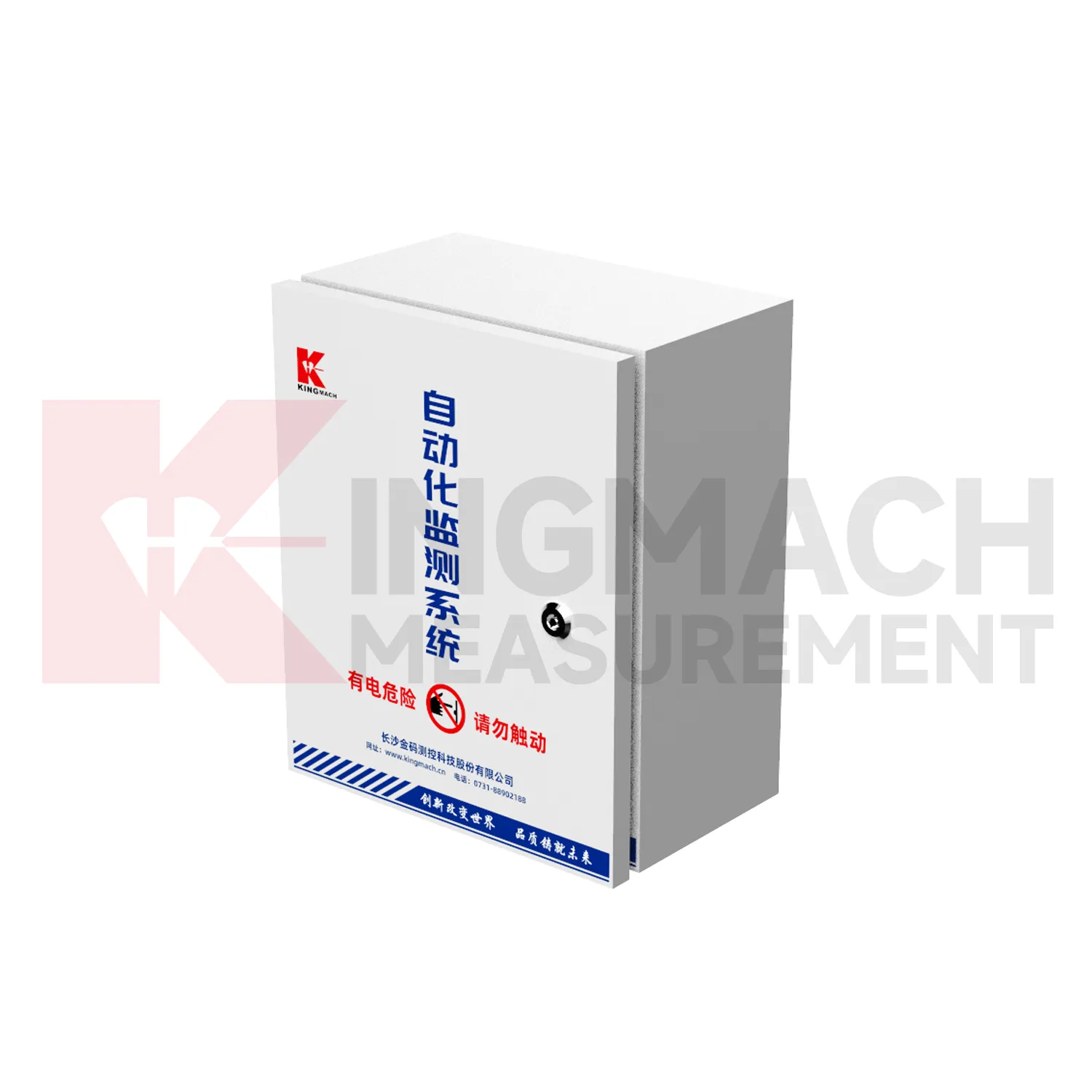
A: A remote station should show acquisition status, last upload time, power condition, active channels, storage condition, and recent maintenance history.
Q: How do these devices support reports?
A: They keep readings traceable by time, channel, sensor type, location, and device status so engineers can explain trends and events more clearly.
Q: What causes confusing readings?
A: Loose cables, wrong channel names, weak power, wet enclosures, changed settings, sensor faults, or real site changes can all create confusing records. The record stays useful when point names, channel labels, sensor type, measurement time, and field condition are kept together, because later reviewers can connect the number with the actual structure and inspection history.
Reviews
Michael Anderson
The strain gauges and load cells are extremely accurate and stable. They performed very well in our bridge monitoring project. Highly recommended!
David Wilson
We purchased displacement transducers and settlement sensors, and the quality exceeded our expectations. Easy installation and reliable performance.
Latest Inquiries
To protect the privacy of our buyers, only public service email domains like Gmail, Yahoo, and MSN will be displayed. Additionally, only a limited portion of the inquiry content will be shown.
Isabella***@gmail.comGermany
Hello, we are evaluating weir flow meters for a water management project. Please share accuracy deta...
Amelia***@gmail.comSingapore
Hello, I am looking for visualization software for monitoring system data analysis. Please let me kn...