
 EN
 ar
 bg
 hr
 cs
 da
 nl
 fi
 fr
 de
 el
 hi
 it
 ko
 no
 pl
 pt
 ro
 ru
 es
 sv
 tl
 iw
 id
 lv
 lt
 sr
 sk
 sl
 uk
 vi
 et
 hu
 th
 tr
 fa
 ms
 hy
 ka
 ur
 bn
 mn
 ta
 kk
 uz
 ku

high precision inclinometer sensor
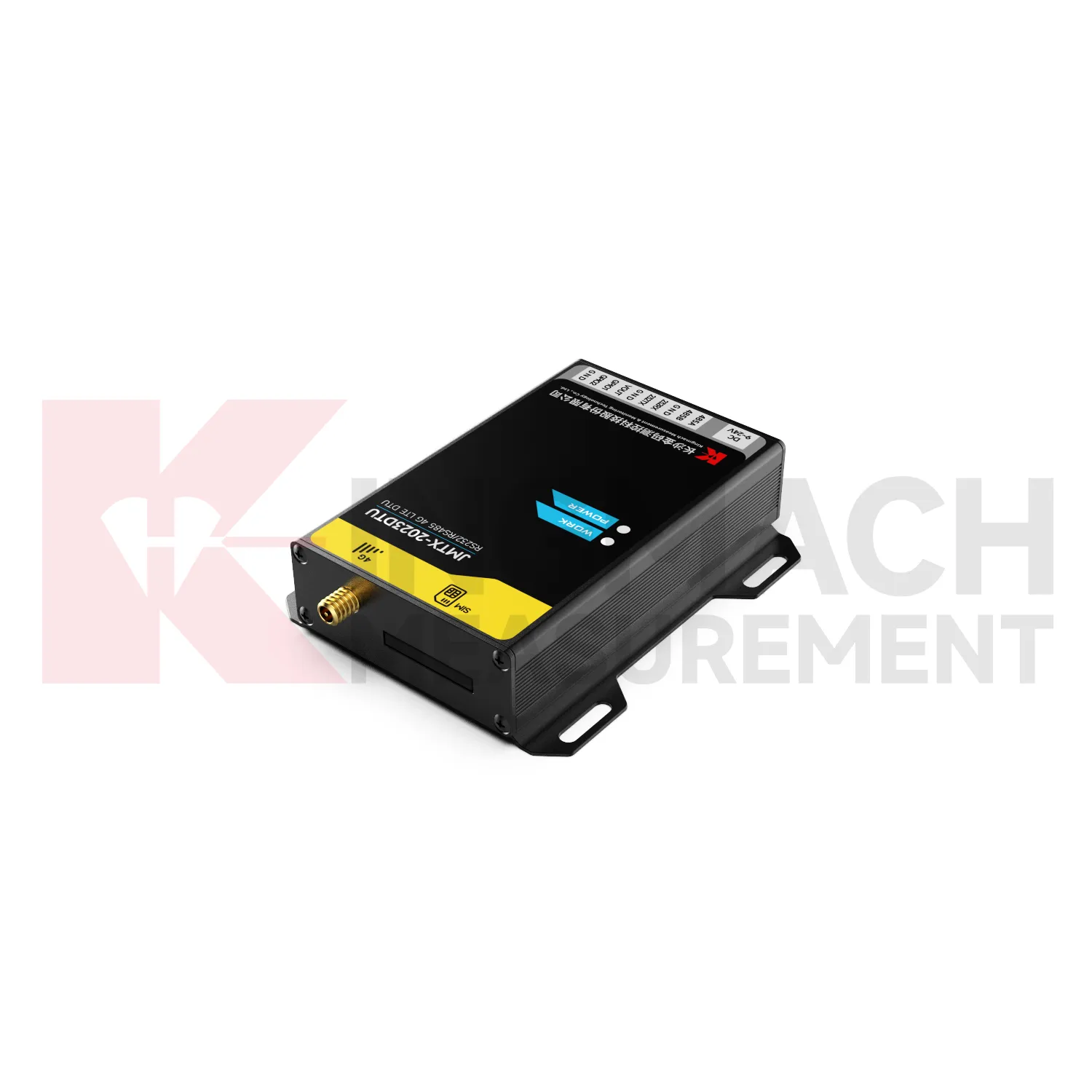
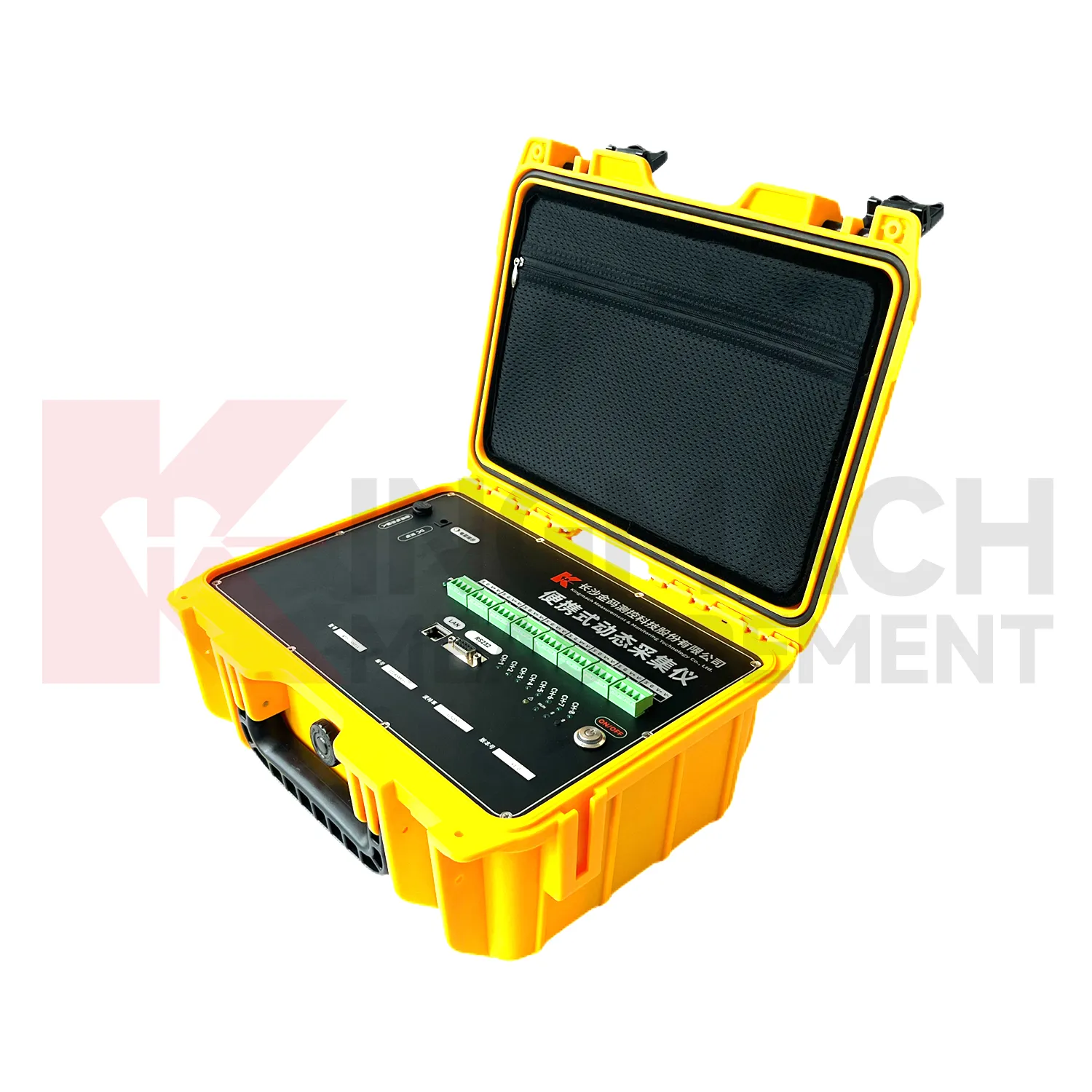
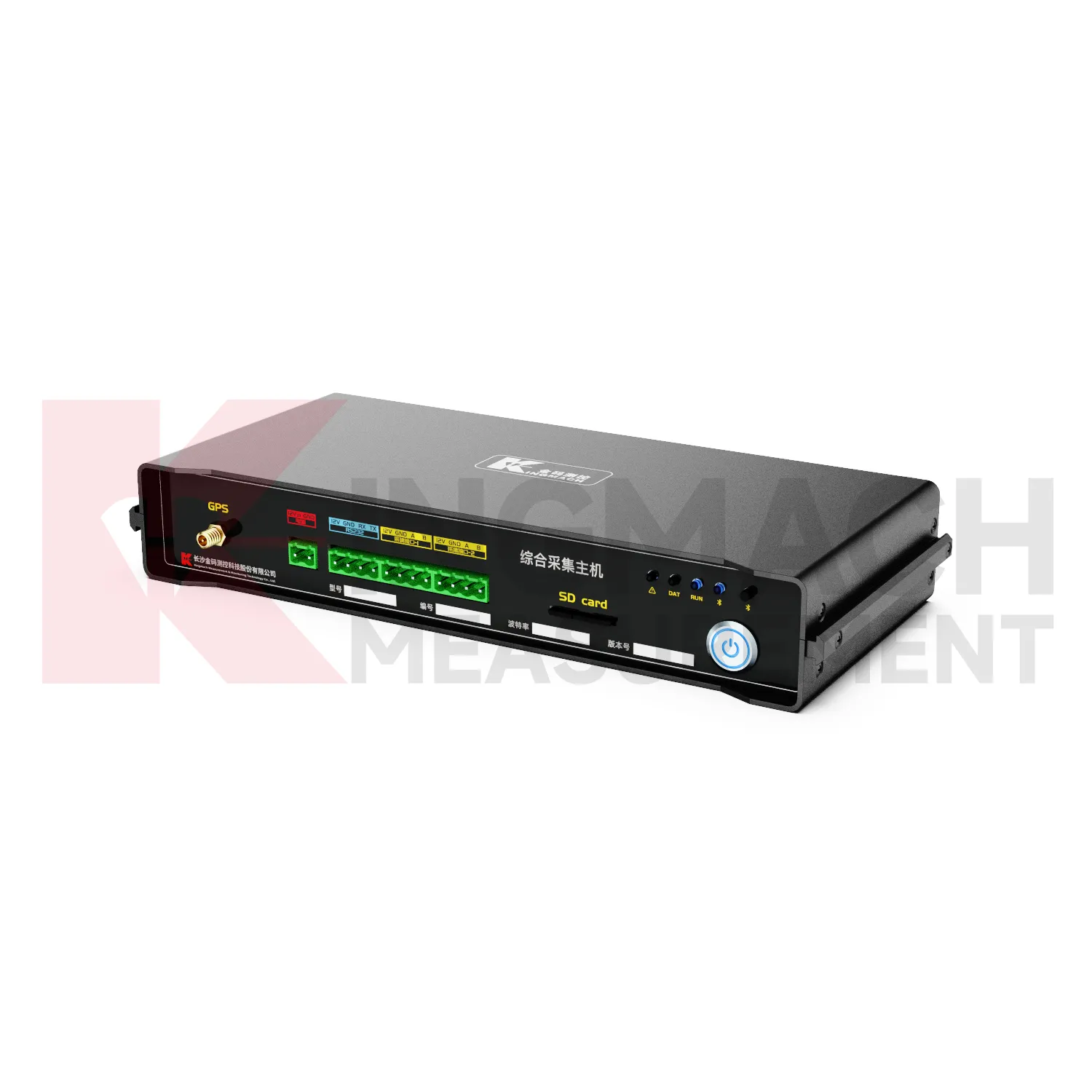
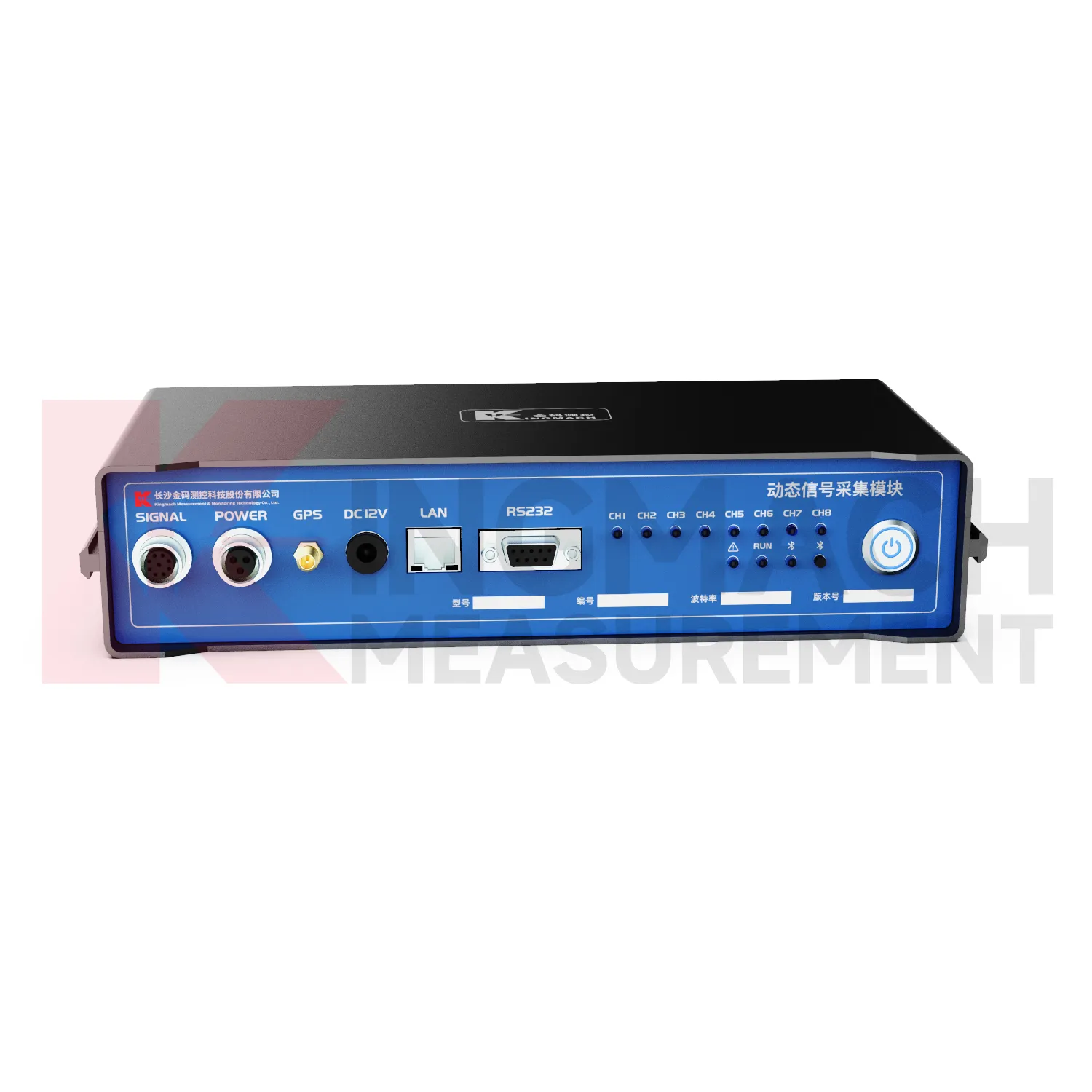
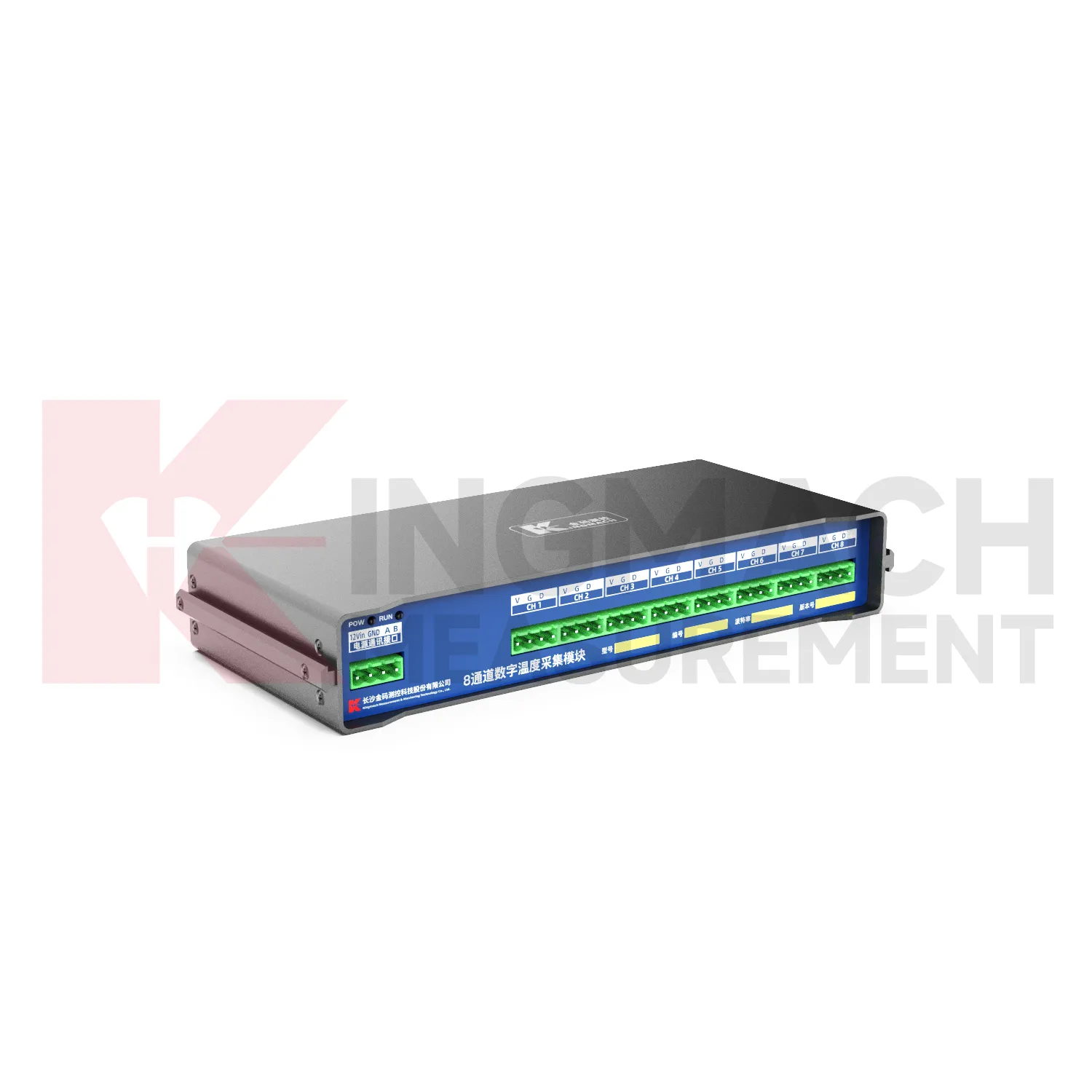
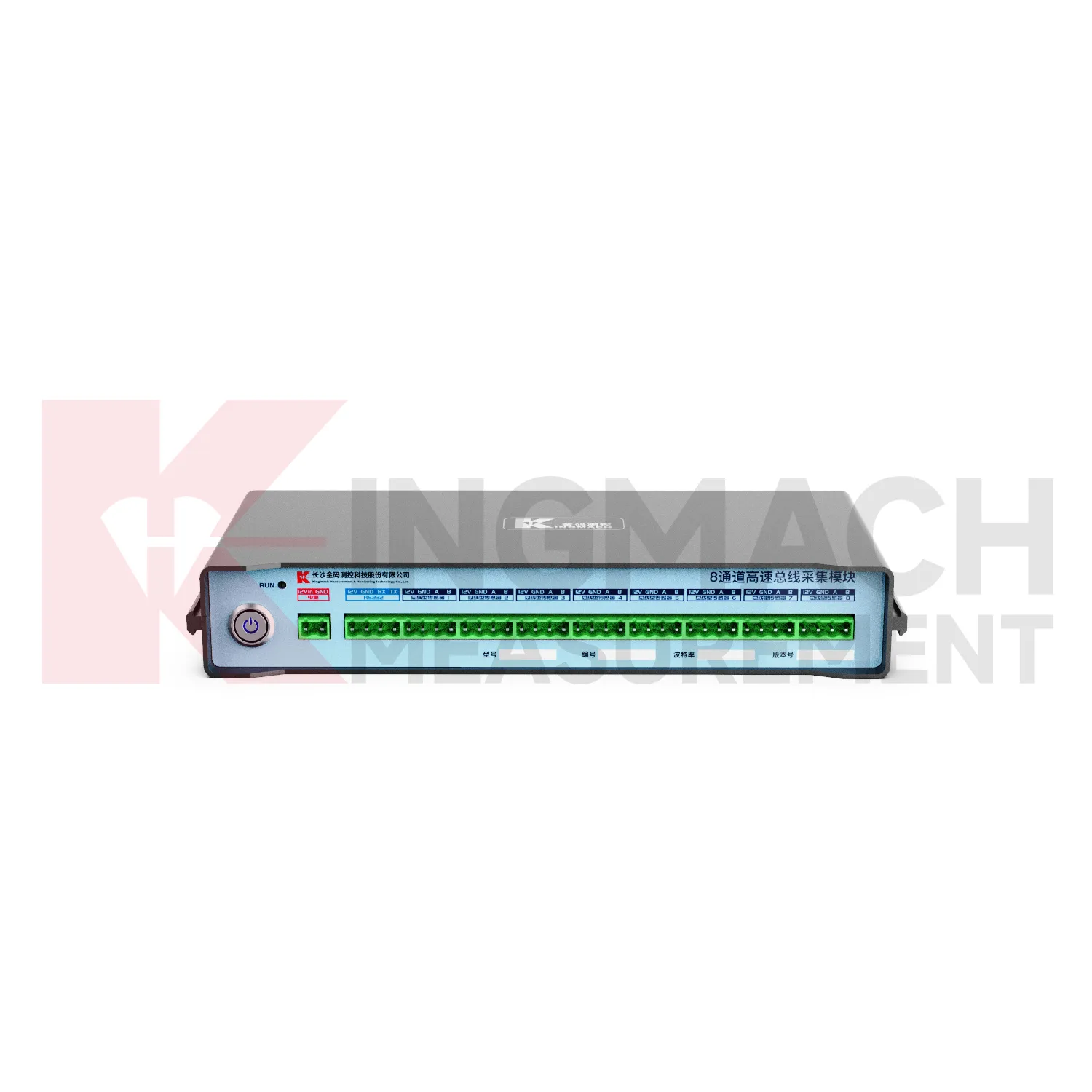
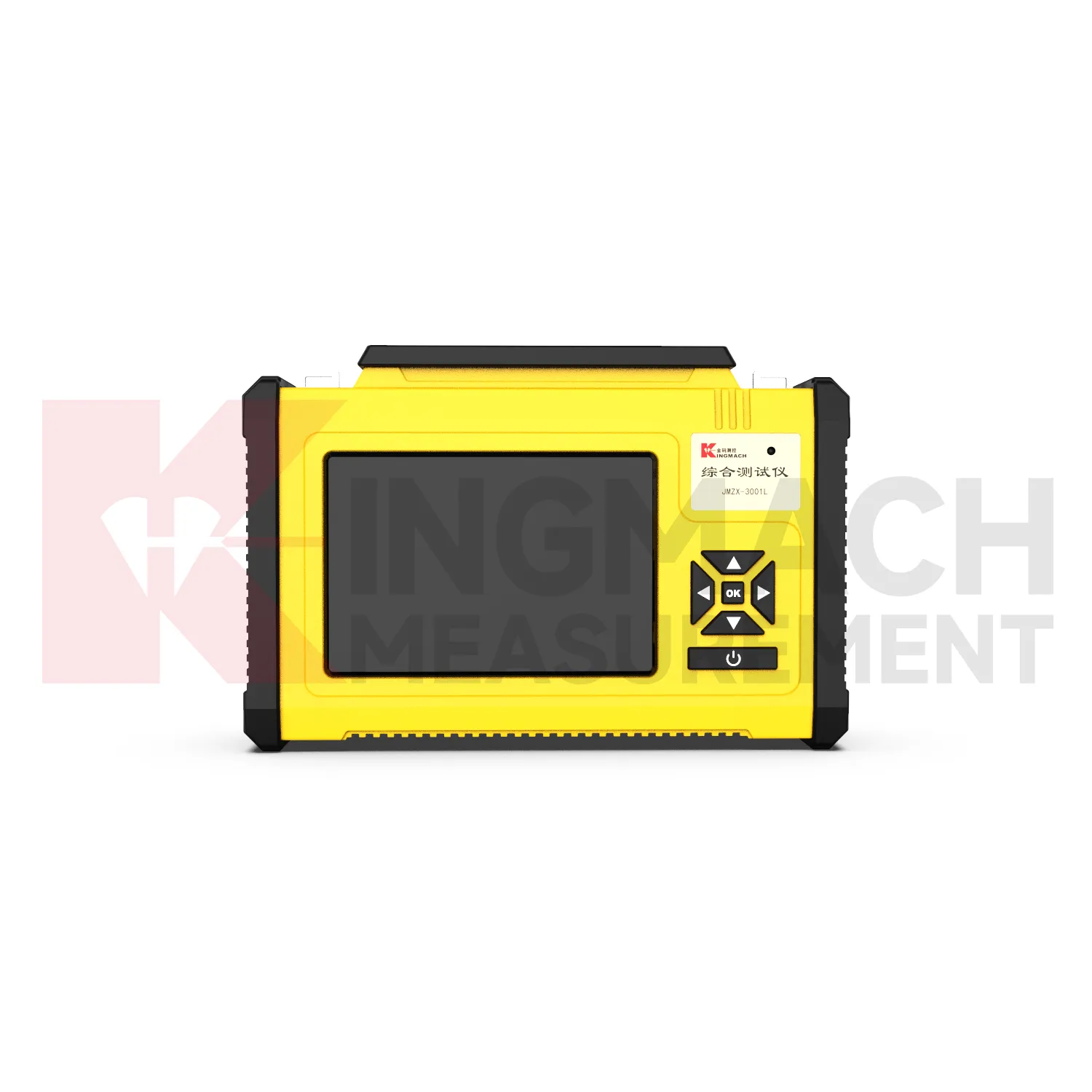
Kingmach high precision inclinometer sensor help owners avoid fragmented monitoring records. Without a clear acquisition device, one team may keep handheld readings, another may keep platform data, and a third may keep inspection notes. A better workflow connects the readout or logger with sensor location, acquisition interval, export method, and review responsibility. For vibrating wire sensors, a readout can support quick field confirmation and stored values. For RS485 digital sensors, a wireless logger can support timed acquisition and active upload. For dynamic signals, portable acquisition equipment can capture events that need faster sampling and synchronized channels. The result is a monitoring record that can be reviewed after the field crew leaves. Fragmentation is especially risky when a project has many structures, temporary work stages, or multiple contractors. The acquisition plan should define one naming logic for points and one method for exporting files. When inspection notes, logger records, and manual checks use the same location language, the owner can compare them without guesswork. This reduces reporting delays and makes abnormal readings easier to trace. It also helps when consultants, contractors, and owners need to review the same monitoring period with different responsibilities but a shared data source. during formal reporting. and audits. consistently.
Application of high precision inclinometer sensor
Bridge monitoring uses Kingmach high precision inclinometer sensor to connect strain, displacement, tilt, cable force, vibration, temperature, and environmental records into a usable acquisition workflow. During construction, portable readouts can help field crews verify sensor installation before concrete placement, load testing, or traffic opening. During operation, data loggers can collect scheduled readings or dynamic events for comparison with traffic, wind, temperature, and maintenance activity. The acquisition device should preserve point names and time stamps so bridge engineers can compare records across spans, piers, cables, bearings, and decks. A good setup also supports handover because the owner can see which channels are active, which points are temporary, and which data belongs to long-term structural review. Bridge teams also need clean separation between routine trend records and short event files. A slow temperature-related strain drift, a traffic event, and a cable force check should not be mixed into one unexplained data pool. Channel maps, event labels, and export folders help the engineer trace each record back to the bridge component that produced it. This makes later review more dependable when maintenance work, load testing, or seasonal comparison requires evidence from several sensor groups. The same acquisition file can also support bearing replacement, deck repair, cable inspection, and post-event comparison when owners need to understand how the bridge behaved before and after work.
The future of high precision inclinometer sensor
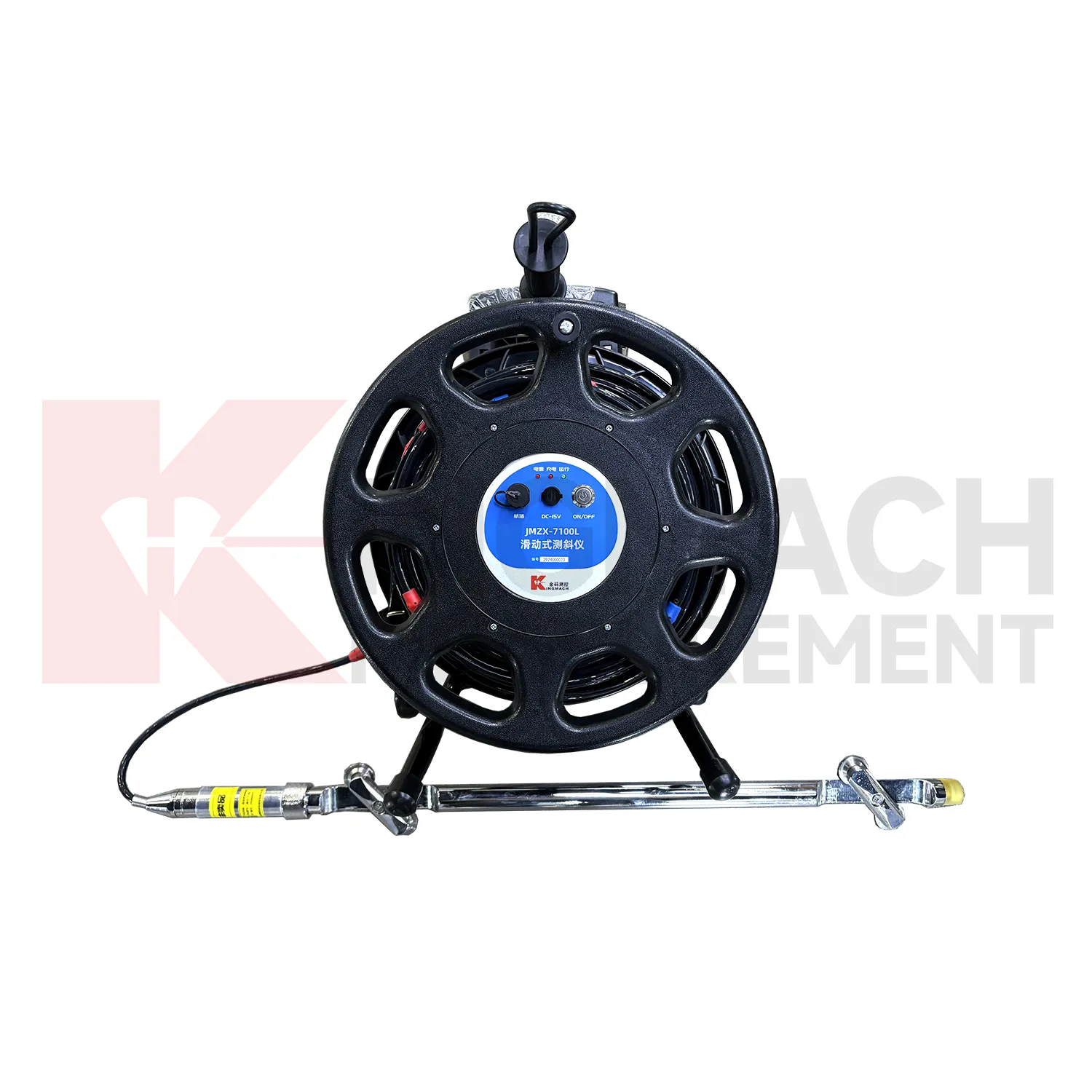
Future Kingmach high precision inclinometer sensor will help owners manage mixed sensor networks. A single project may include vibrating wire sensors, digital bus instruments, temperature points, dynamic signals, environmental stations, and manual inspection notes. Future acquisition systems should make it easier to keep these records aligned by location, time, and engineering purpose. This will help reviewers understand relationships between movement, load, vibration, rainfall, temperature, and construction activity. A more organized data chain will make monitoring records easier to defend during operation, maintenance, and safety review. Mixed networks also need clearer grouping. Sensors that belong to a bridge pier, slope section, tunnel ring, or dam gallery should appear together in the acquisition history. When the system keeps related points connected, engineers can compare behavior across sensor types without losing the physical layout. That will make future reviews faster and more reliable. It also supports clearer reporting when owners review several assets in one program.
Care & Maintenance of high precision inclinometer sensor
Dynamic acquisition maintenance for Kingmach high precision inclinometer sensor should focus on timing, synchronization, and signal condition. Check channel connections, grounding, sampling settings, event names, trigger rules, and storage capacity before a test. Dynamic records are difficult to repeat when the event is train passage, blasting, impact, or machinery start-up. After the test, save raw data, event notes, sensor positions, and any abnormal site activity. This maintenance discipline helps engineers interpret the waveform and compare repeated events without uncertainty about the acquisition setup. Before the next test, review whether the previous event was captured cleanly. If a channel clipped, drifted, lost connection, or showed unexpected noise, correct the setup before relying on another event. Dynamic maintenance is therefore part of test quality, not only equipment care. The maintenance file should include sampling settings, trigger notes, cable condition, sensor mounting status, and storage location for raw files. These details help engineers repeat the test method later and compare event records under similar conditions.
Kingmach high precision inclinometer sensor
Kingmach high precision inclinometer sensor support projects when monitoring duties shift between installation teams, testing teams, owners, and maintenance contractors. Early readings may come from a handheld instrument during sensor acceptance, while later readings may be gathered by a fixed cabinet, a wireless station, or a portable unit brought back for verification. The important requirement is continuity: every channel should keep a recognizable identity, every reading should carry enough field context to be interpreted, and every operating change should be traceable. A good handover package explains sensor grouping, channel labels, collection rhythm, communication route, power arrangement, and review responsibility in language that a new technician can follow. This prevents routine monitoring from depending on one person?s memory. When a bridge, tunnel, dam, slope, building, railway section, or industrial test rig remains under observation for months, the acquisition system must make daily work orderly: connect, confirm, collect, review, report, and keep the history usable for engineering judgement.
FAQ
Q: What affects data reliability?
A: Power condition, cable connection, enclosure protection, channel labels, sensor compatibility, time settings, storage status, and field notes all affect reliability.
Q: What should be checked after maintenance?
A: Check the affected channel, first stable reading, cable route, device setting, power status, communication status, and whether the maintenance note is attached to the record.
Q: Why keep raw records?
A: Raw records allow engineers to review the original measurement behavior before filtering, summarizing, or comparing values with other site information.
Q: How do dynamic acquisition devices help?
A: They capture short events such as vibration, train passage, impact, blasting, or machinery activity with timing and channel information needed for later review.
Q: How can data gaps be reduced?
A: Use stable power, suitable acquisition intervals, protected enclosures, clear maintenance routines, communication checks, and scheduled data review. The record stays useful when point names, channel labels, sensor type, measurement time, and field condition are kept together, because later reviewers can connect the number with the actual structure and inspection history.
Reviews
Ryan Lewis
Fast delivery and excellent product quality. The accelerometers and tiltmeters are highly reliable. Strongly recommend this company.
James Thompson
The tiltmeters and accelerometers are very sensitive and provide precise data. Perfect for our structural health monitoring system.
Latest Inquiries
To protect the privacy of our buyers, only public service email domains like Gmail, Yahoo, and MSN will be displayed. Additionally, only a limited portion of the inquiry content will be shown.
Emma***@gmail.comCanada
Dear Sir/Madam, we are interested in displacement transducers and settlement sensors for a geotechni...
Olivia***@gmail.comUnited States
Hello, we are currently sourcing high-precision strain gauges and load cells for a bridge monitoring...