
 EN
EN
 ar
ar bg
bg hr
hr cs
cs da
da nl
nl fi
fi fr
fr de
de el
el hi
hi it
it ko
ko no
no pl
pl pt
pt ro
ro ru
ru es
es sv
sv tl
tl iw
iw id
id lv
lv lt
lt sr
sr sk
sk sl
sl uk
uk vi
vi et
et hu
hu th
th tr
tr fa
fa ms
ms hy
hy ka
ka ur
ur bn
bn mn
mn ta
ta kk
kk uz
uz ku
ku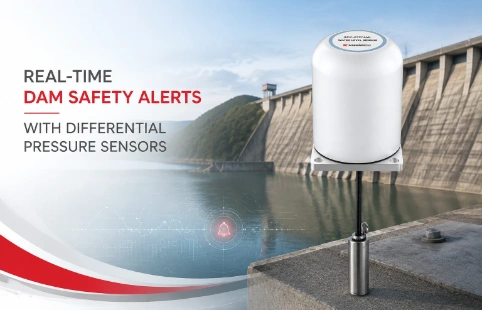
Real-Time Dam Safety Alerts with Differential Pressure Water Level Sensors
Key Takeaways An alert chain needs more than a sensor: define field in...

Temperature Acquisition Expansion Module
Most geotechnical monitoring setups start with a handful of temperature sensors. Then the project scope creeps—more boreholes, deeper excavations, additional cross-sections. Suddenly you need twice the channels you originally planned. That’s exactly the kind of situation where a Temperature Acquisition Expansion Module earns its keep. Instead of swapping out your whole data logger or wiring in a second system, you plug in an expansion module and carry on. Kingmach has been shipping these modules to field engineers for years, and the feedback boils down to one thing: it removes a headache at the point when things usually get messy. The modules handle thermistors, RTDs, and thermocouples without fuss, and they don’t demand a firmware overhaul every time you add a sensor. For long-term dam, tunnel, or slope monitoring, the ability to grow channel count in the field keeps budgets and timelines from derailing.
Technical Detail
Typical expansion modules from Kingmach pack 8 or 16 additional channels, though custom counts are possible if the project calls for it. Each channel auto-detects common sensor types—3-wire PT100, NTC thermistors, type K thermocouples—so you aren’t locked into one sensor from day one. A cold-junction compensation circuit is built in for thermocouple inputs, which sidesteps the drift you’d otherwise see with external compensation. Engineers often mention the 24-bit ADC per channel, which pushes measurement resolution fine enough to catch sub-0.1°C shifts in concrete curing or permafrost monitoring. The modules talk Modbus RTU over RS-485 by default, though other protocols can be accommodated. That means they drop into existing SCADA or logger networks without extra gateways. Physical installation is straightforward: DIN-rail mounting, removable terminal blocks, and a single daisy-chain cable for both power and data. Kingmach rates the units for -20°C to 70°C operation and 95% non-condensing humidity, which covers everything from cold-region dams to tropical tunnels. When sensor count outgrows the logger, adding a module takes minutes—power down, clip on, address it, and resume logging. No new enclosure, no long cable runs back to the logger. Support engineers can pre-configure modules before shipping, so they arrive ready to map channels into your existing database structure.
News
Key Takeaways An alert chain needs more than a sensor: define field in...
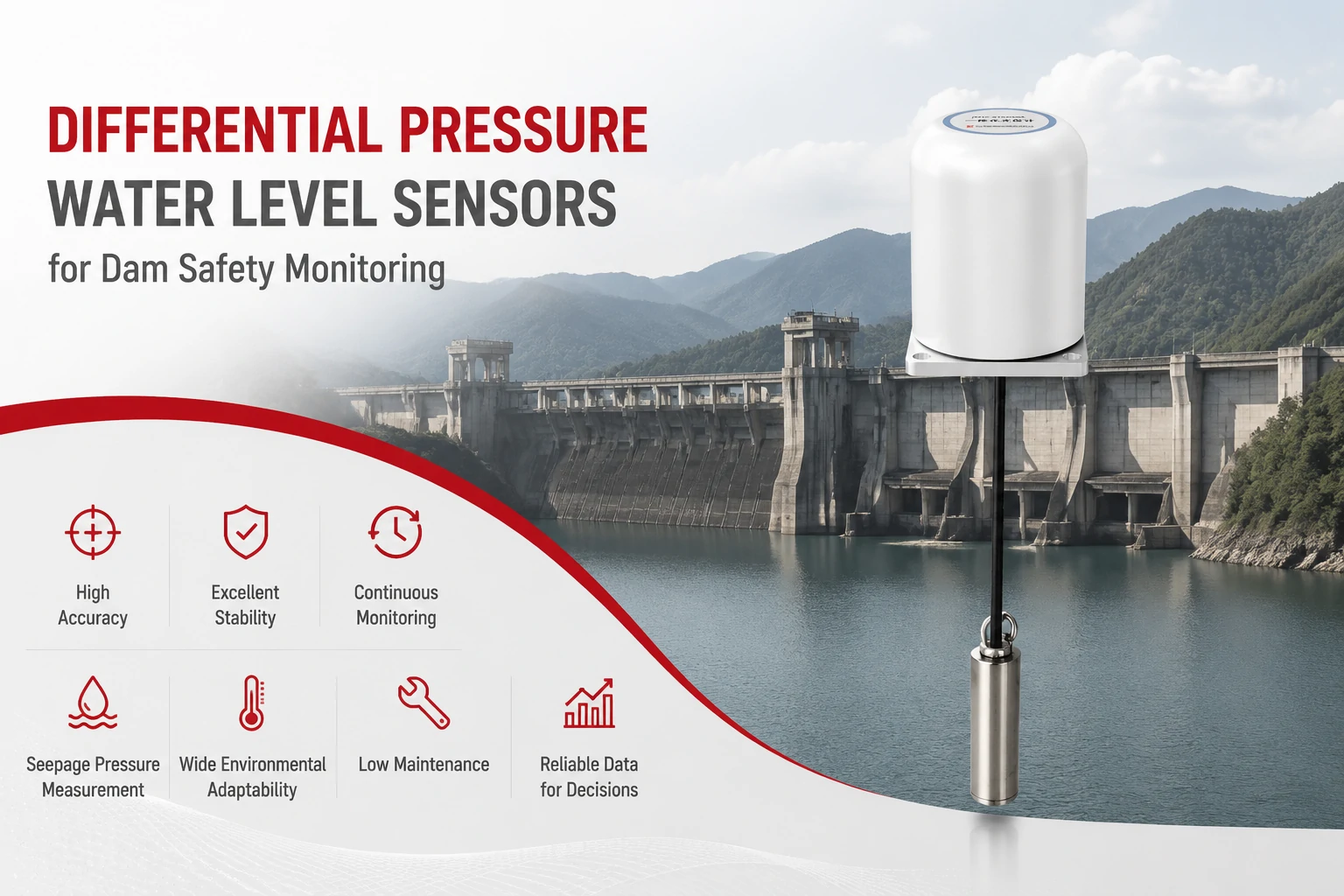
Key Takeaways The strongest fit is usually a confined, submerged, or s...
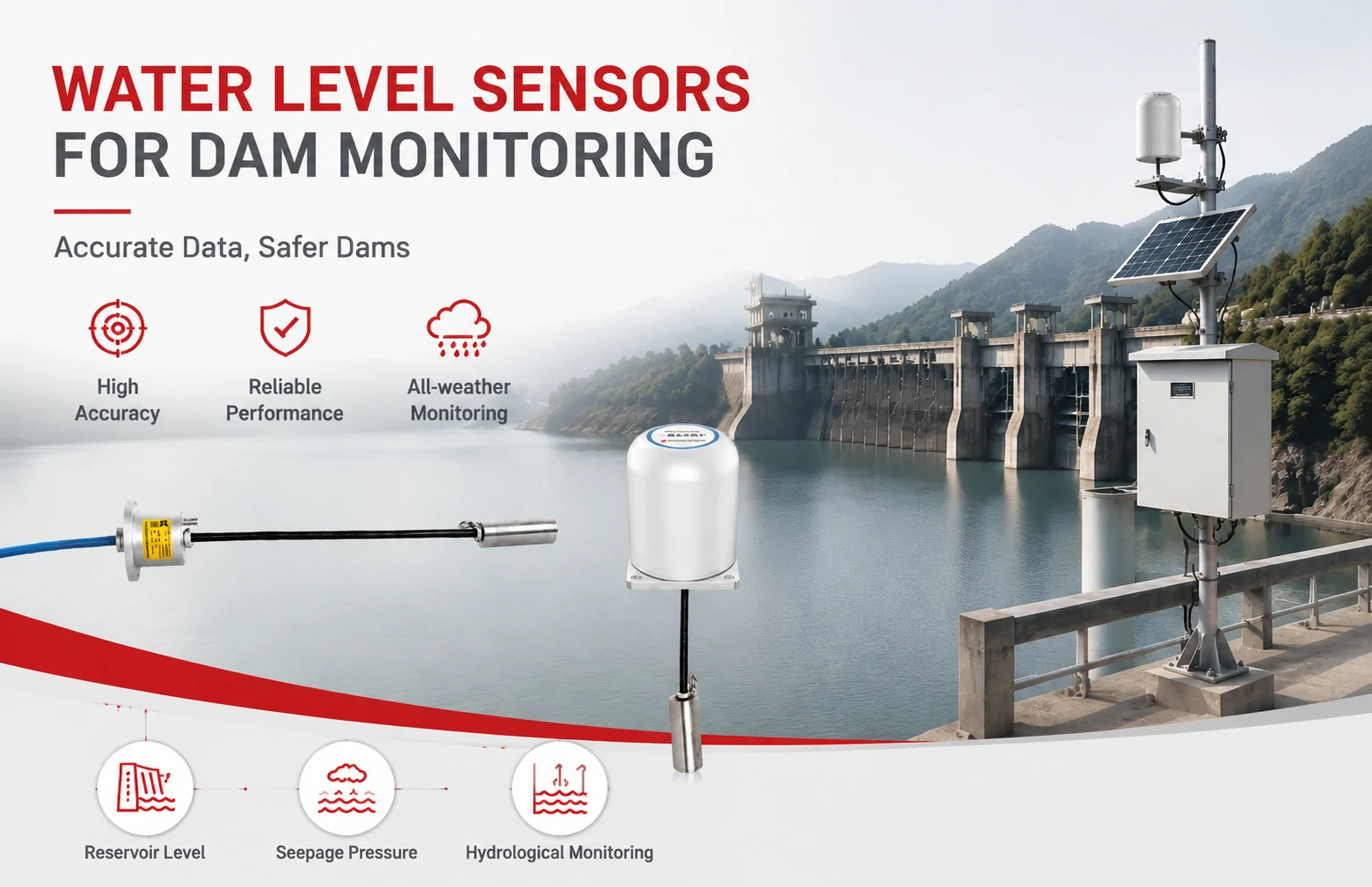
Kingmach Water Level Sensors for Dam Monitoring: A Buyer's Guide to Differential Pre...
Products
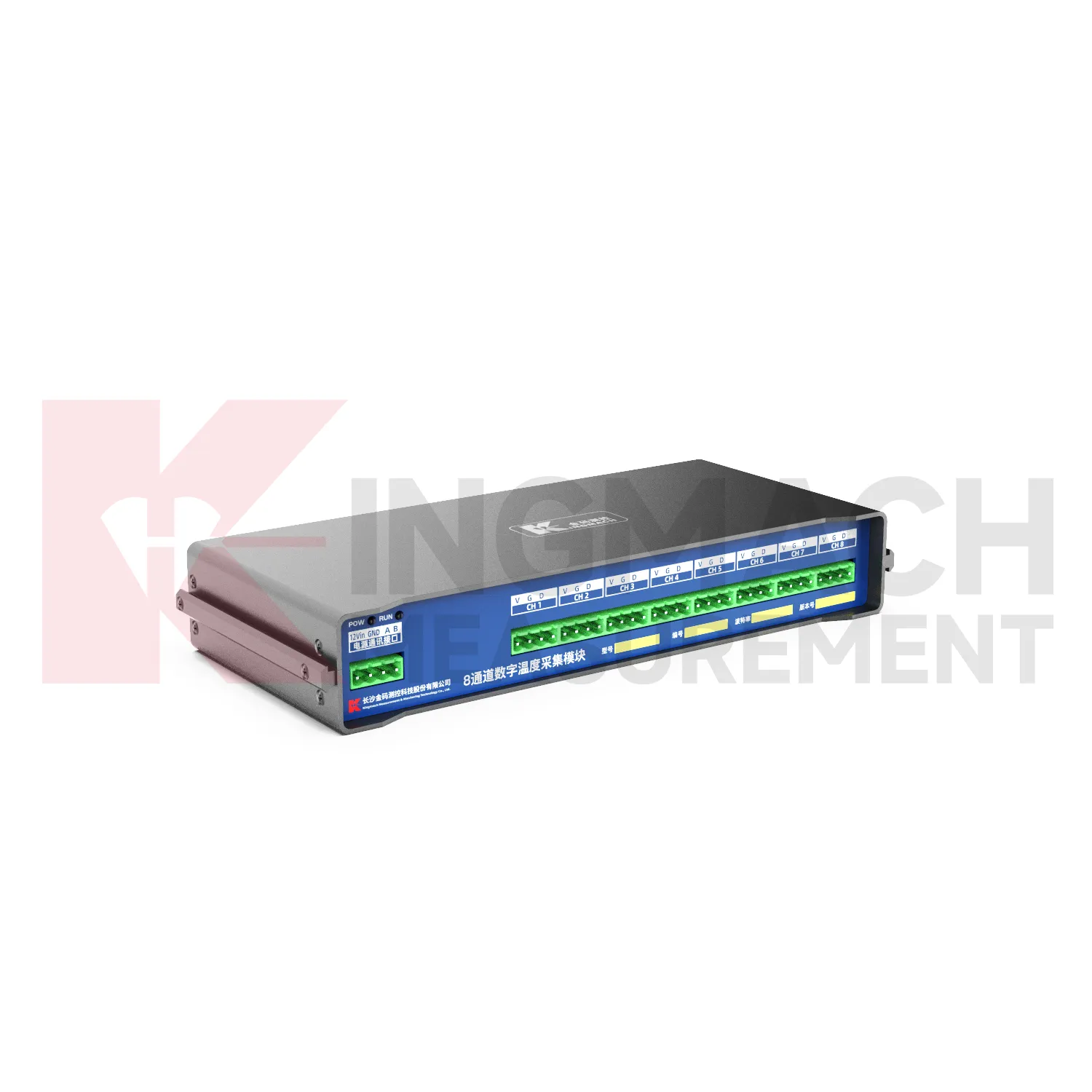
8-Channel Digital Temperature Acquisition ModuleJMWT-8DTH
View Details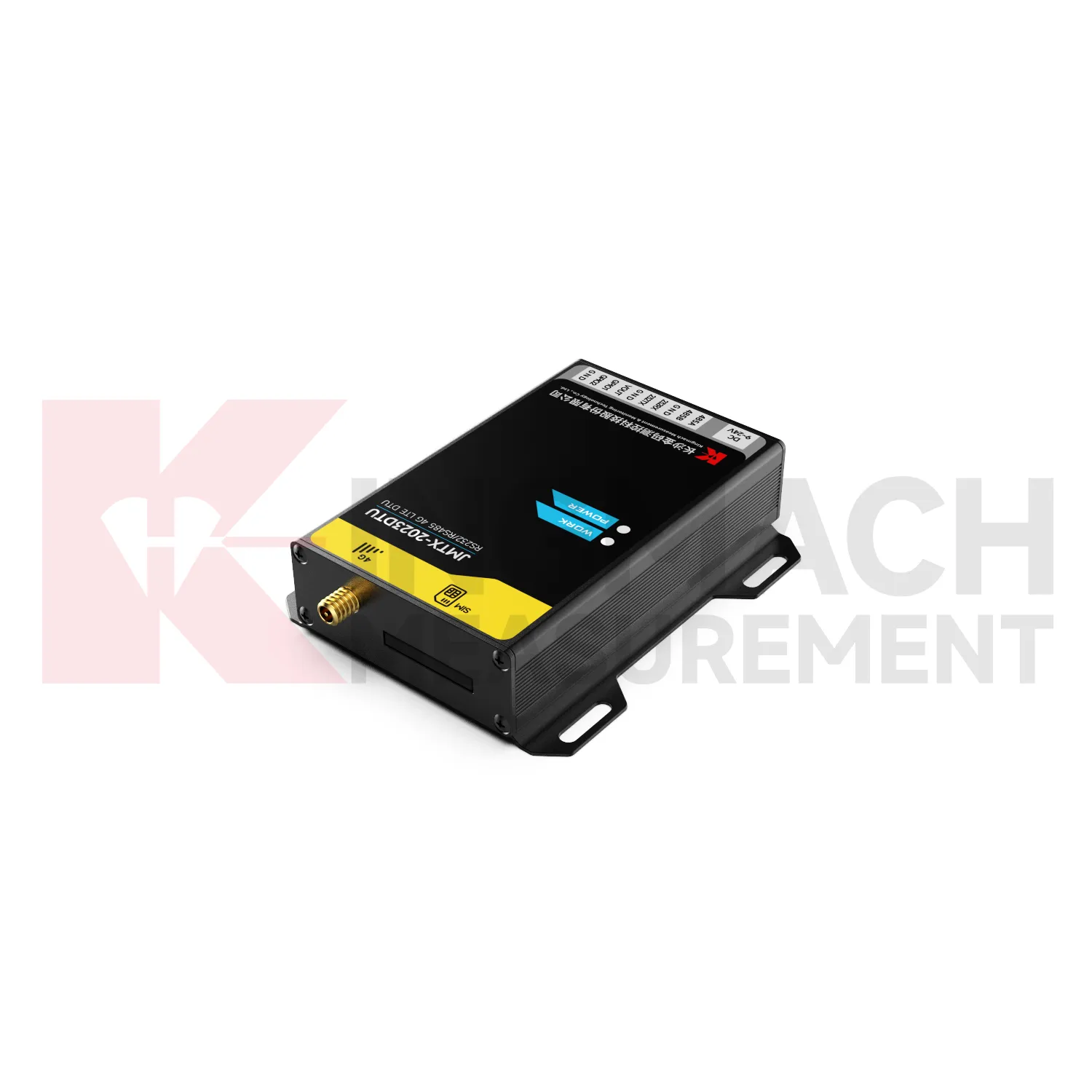
FAQ
Standard modules offer 8 or 16 channels. If your project needs something in between, custom configurations are available. Keep in mind that each channel typically supports one sensor, though some setups can multiplex multiple thermistors on a single channel if the wiring and sensor characteristics allow.
Most likely yes, as long as your system speaks Modbus RTU or can handle raw RS-485 data. The module acts as a Modbus slave device. If you’re using a different protocol, Kingmach can often adapt the firmware—worth raising during initial discussions.
The module auto-detects common types: PT100 and PT1000 RTDs, NTC thermistors (10kΩ and others), and thermocouples type K, T, J. Sensor wiring is 2, 3, or 4-wire, with 3-wire being typical for field use to cancel lead resistance errors.
It’s designed that way. The module mounts on a DIN rail, terminals are removable for easy wiring, and power/data daisy-chains from the previous device. You assign a Modbus address via a rotary switch or software, and it shows up in your scan. No special tools needed.
With regular calibration, the combination of 24-bit ADC and cold-junction compensation keeps most sensor readings within ±0.1°C of reference. Long-term drift is typically under 0.02°C per year in stable environments. Actual field performance depends on sensor quality and cable routing, of course.
Share your product type, target capacity, and application requirements. Our team can review the details and recommend a practical next step.
If you are interested in our products or want to become our partner.
Please leave your contact information, our team will contact you as soon as possible.
Mail: [email protected]
Contact Us: +8613808434127
Address: No. 188 Tongzipo West Rd, Changsha, Hunan, China