
 EN
EN
 ar
ar bg
bg hr
hr cs
cs da
da nl
nl fi
fi fr
fr de
de el
el hi
hi it
it ko
ko no
no pl
pl pt
pt ro
ro ru
ru es
es sv
sv tl
tl iw
iw id
id lv
lv lt
lt sr
sr sk
sk sl
sl uk
uk vi
vi et
et hu
hu th
th tr
tr fa
fa ms
ms hy
hy ka
ka ur
ur bn
bn mn
mn ta
ta kk
kk uz
uz ku
ku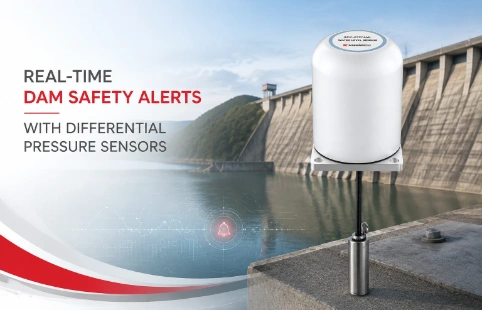
Real-Time Dam Safety Alerts with Differential Pressure Water Level Sensors
Key Takeaways An alert chain needs more than a sensor: define field in...

Kingmach Canister Load Cells: Precision Under Pressure
Many industrial weighing setups demand more than accuracy. The real test for a canister load cell comes when it faces shock loads, temperature swings, or months of continuous use. At Kingmach, we don’t just sell sensors—we work with engineers to match the right alloy, sealing, and signal conditioning to the job. That’s why our canister load cells end up in truck scales, silo hoppers, and process control systems where ordinary units drift or fail. We keep a broad inventory of standard models, and for unusual applications, our in-house team can adapt mounting, capacity, or output to fit. The result is a load cell that stays predictable even when conditions aren’t. This practical, no-nonsense approach comes from decades of building geotechnical and weighing instruments. Whether your challenge is simply finding a replacement that bolts in or designing a custom monitoring array, our engineers can walk you through the options. It’s about getting a measurement you can trust, not just a part number.
Technical Detail
A canister load cell’s real job is to ignore everything except the load it’s meant to measure. That’s why Kingmach focuses on stiffness, material choice, and sealing in our designs. The cylindrical shape naturally resists side forces, and we build them from either nickel-plated alloy steel for dry indoor service or stainless steel for washdown areas and outdoor exposure. Standard capacities span from a few hundred kilograms to several hundred tonnes, and we often supply matched mounting hardware to ensure the load hits the cell the way it’s supposed to. For legal-for-trade applications, our cells meet OIML C3 or higher requirements, and we can provide calibration certificates at no extra charge on most orders. But specs on a datasheet only tell part of the story. We’ve helped customers replace aging compression cells in legacy weighbridges without re-engineering the entire frame, and we’ve worked alongside system integrators to create custom loading hardware for unusual tank geometries. Every cell goes through a multi-point calibration before it leaves our facility, and we stock spares so lead times stay short. If your application pushes the limits of a standard design, our engineers can modify temperature compensation, cable length, or output protocol. You end up with a sensor that bolts into your system without forcing you to change everything around it. That’s the kind of practical engineering that comes from being a specialized manufacturer, not a catalog reseller.
News
Key Takeaways An alert chain needs more than a sensor: define field in...
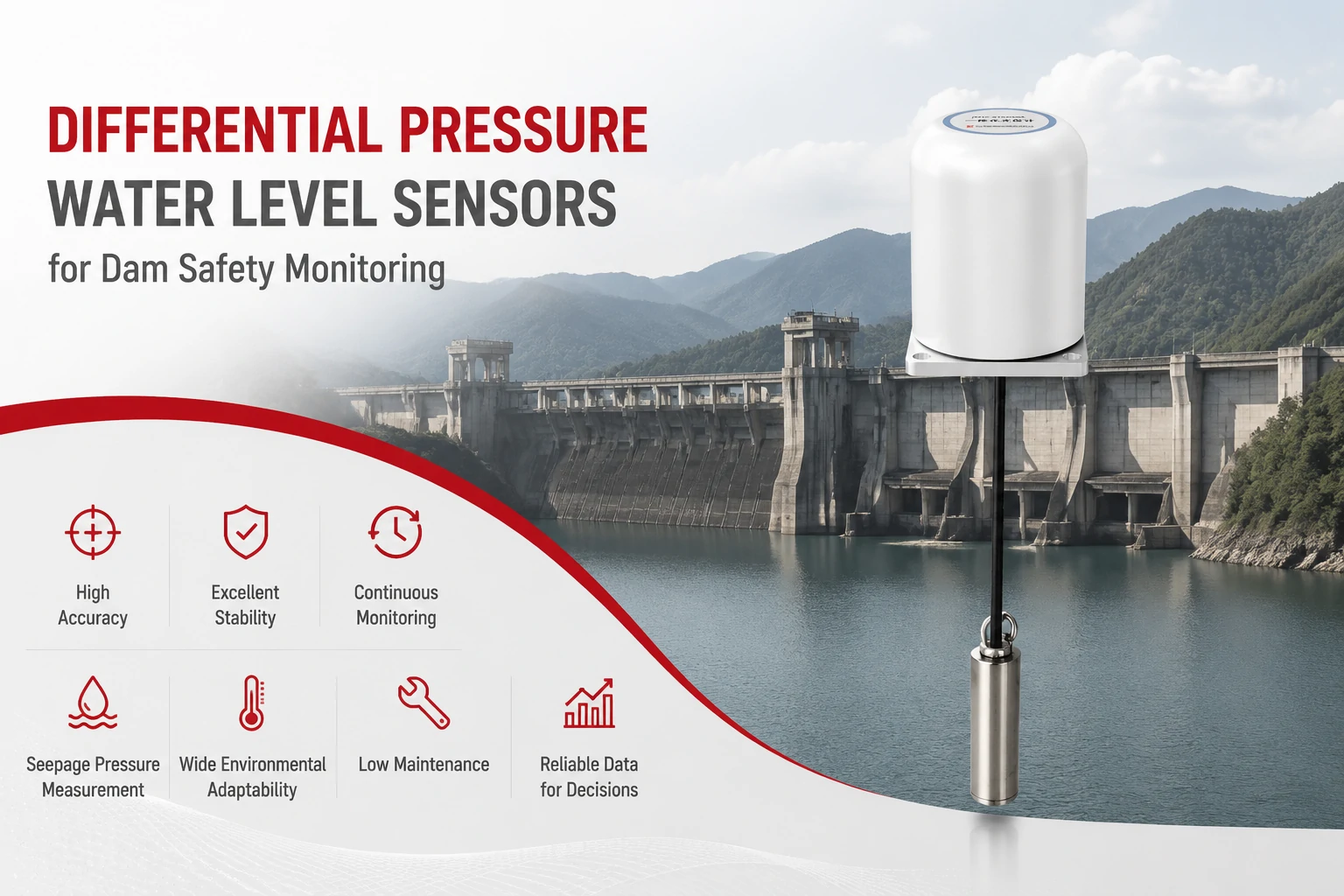
Key Takeaways The strongest fit is usually a confined, submerged, or s...
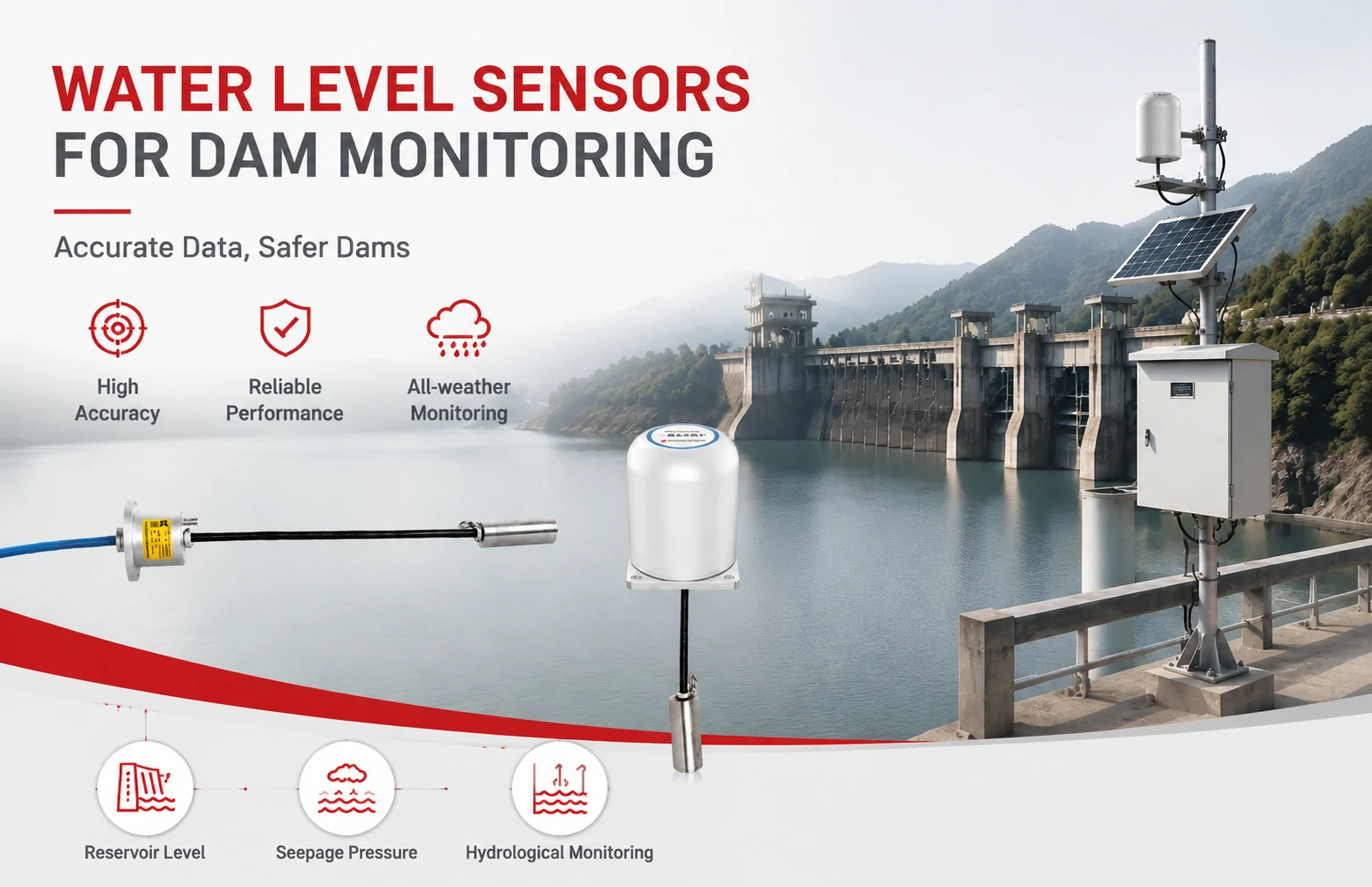
Kingmach Water Level Sensors for Dam Monitoring: A Buyer's Guide to Differential Pre...
Products
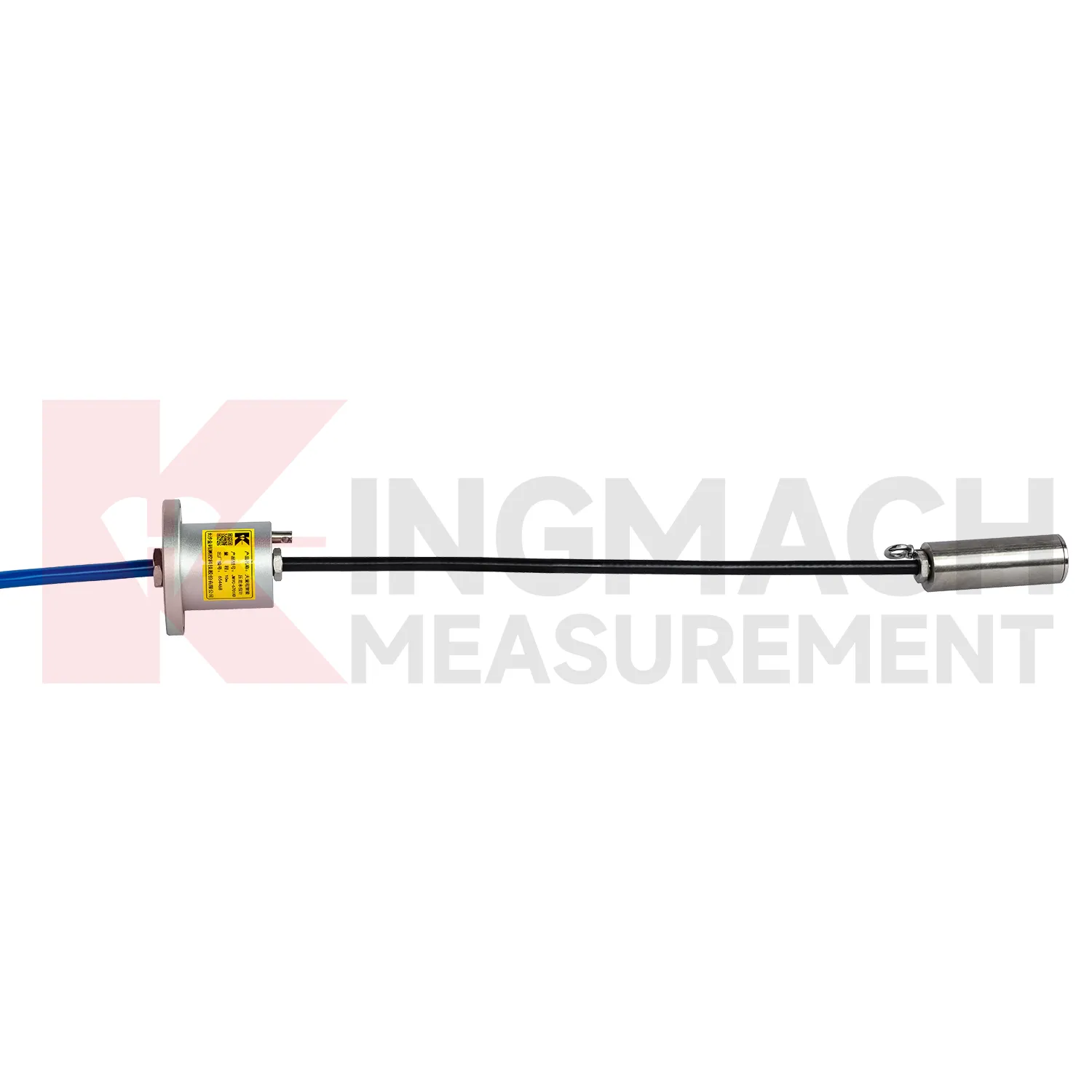
Wide-Range Smart Differential Pressure Water Level Meter JMYC-67XXAD
View Details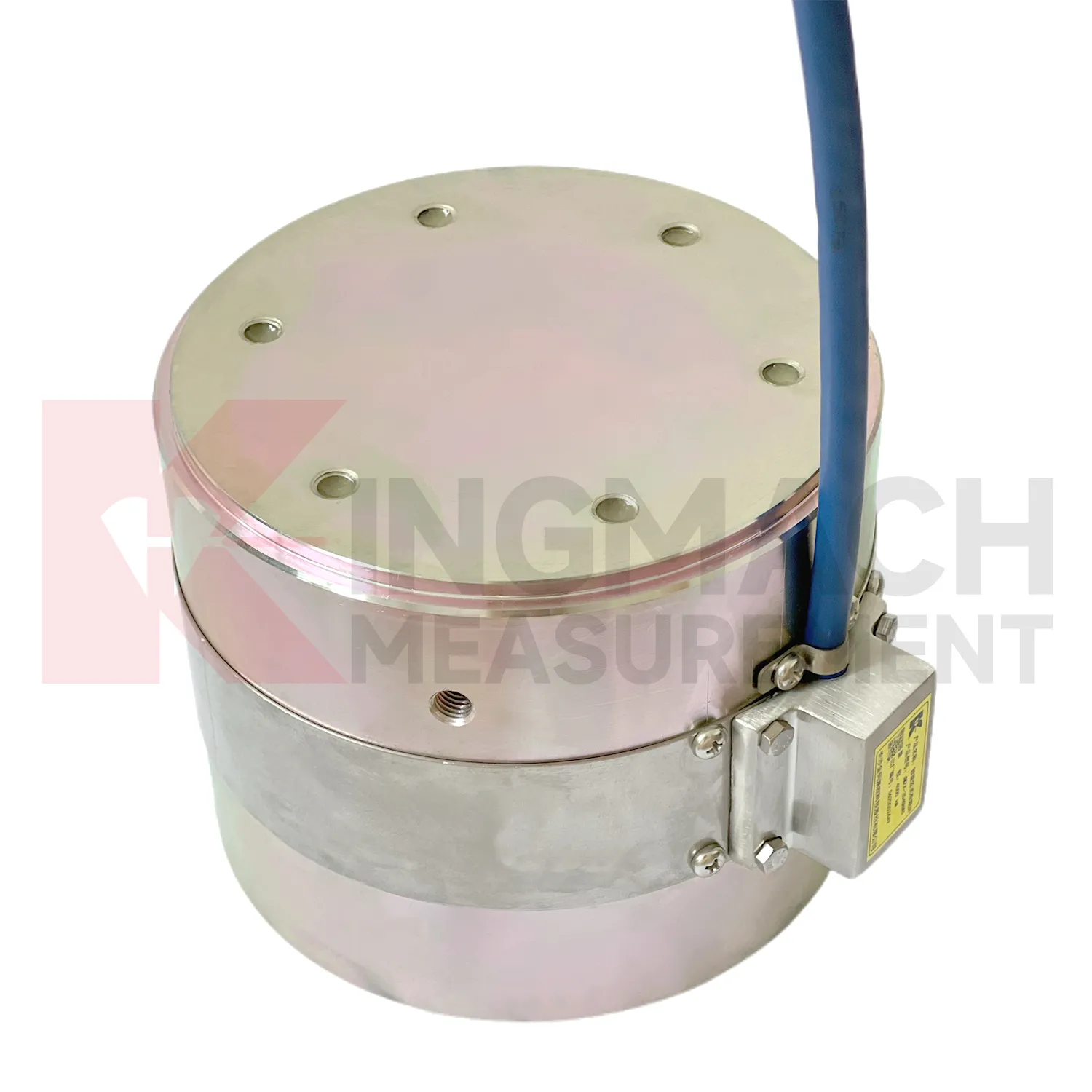
Solid load cell JMZX-34XXHAT、35XXHAT、36XXHAT
View Details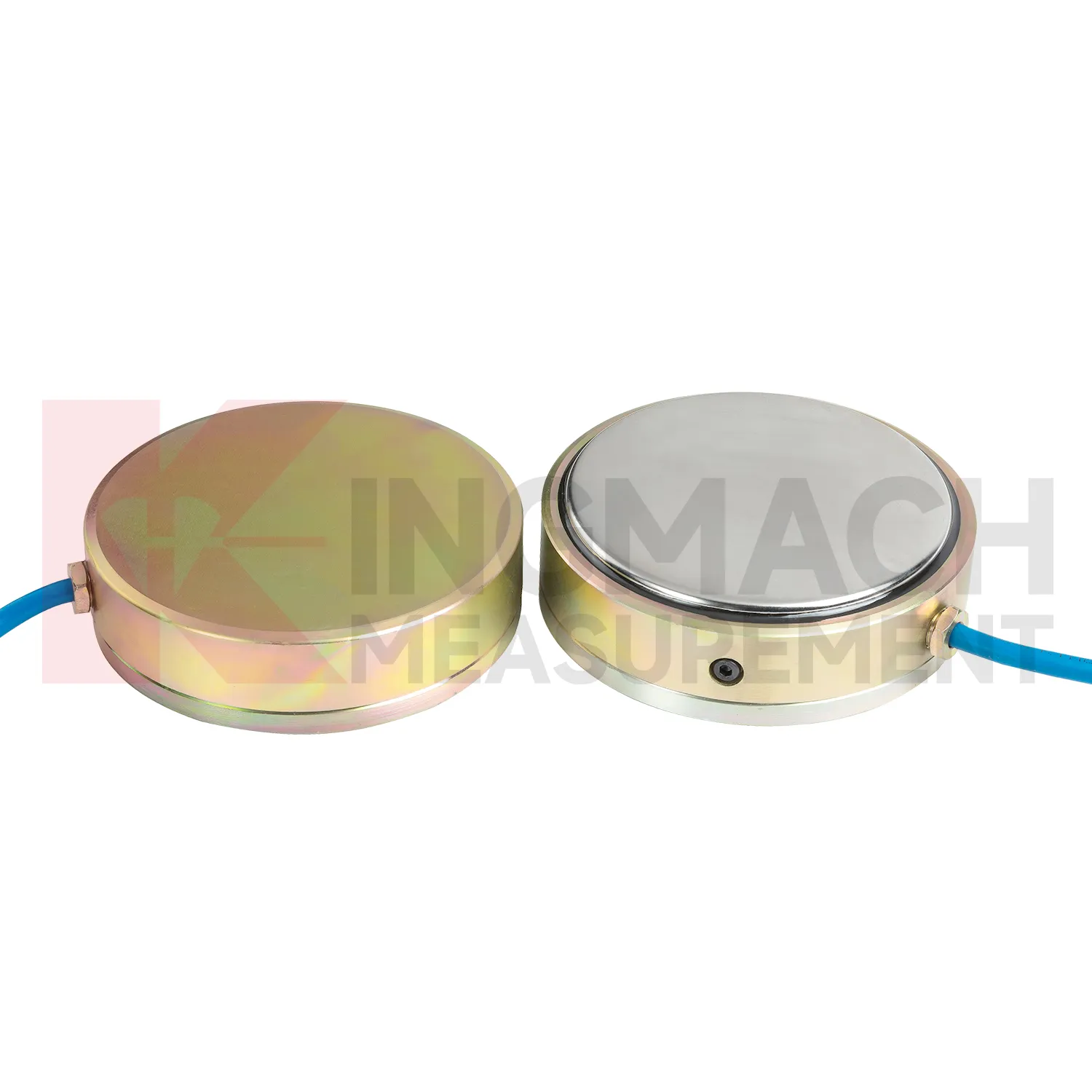
Large Earth Pressure Cell ( VW & Smart Type) JMZX-51XXAT/ ATM
View DetailsFAQ
In practice, the main difference is how the force enters the cell. A canister cell is designed for compression and is much stiffer, so it doesn’t mind a bit of off-axis loading. Shear beam cells need the load to be perfectly straight and often require extra hardware to keep side forces out. So if you’re building a truck scale or sitting a heavy tank on load points, canister cells usually mean a simpler, more durable assembly.
First, check the zero balance. Disconnect the cell, warm it up, and read the output with no load. If it’s drifted more than 1-2% of full scale from the original calibration, something’s off. Also, give the cable a gentle tug test—intermittent cuts inside the jacket are common. Finally, look for physical signs like rust under the sealing boot or a tilted loading surface. If any of these show up, it’s worth getting it tested properly.
Yes, we’ve supplied cells in that range for silo weighing and heavy-duty test rigs. It’s not an off-the-shelf item, but our engineering team can design the column, material, and strain gauge network for your exact load profile. Let us know your expected forces and we’ll propose a solution, no obligation.
For a legal-for-trade scale, local regulations (like NTEP or OIML) set the interval, often annually. In process weighing with no legal requirement, a lot depends on use. If the cell sees frequent shock loads or thermal cycling, a six-month check is smart. We suggest doing a quick system test with a known weight every few months—you’ll catch most drift before it becomes a problem.
Share your product type, target capacity, and application requirements. Our team can review the details and recommend a practical next step.
If you are interested in our products or want to become our partner.
Please leave your contact information, our team will contact you as soon as possible.
Mail: [email protected]
Contact Us: +8613808434127
Address: No. 188 Tongzipo West Rd, Changsha, Hunan, China