
 EN
EN
 ar
ar bg
bg hr
hr cs
cs da
da nl
nl fi
fi fr
fr de
de el
el hi
hi it
it ko
ko no
no pl
pl pt
pt ro
ro ru
ru es
es sv
sv tl
tl iw
iw id
id lv
lv lt
lt sr
sr sk
sk sl
sl uk
uk vi
vi et
et hu
hu th
th tr
tr fa
fa ms
ms hy
hy ka
ka ur
ur bn
bn mn
mn ta
ta kk
kk uz
uz ku
ku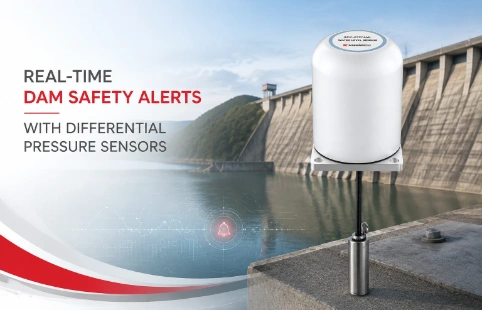
Real-Time Dam Safety Alerts with Differential Pressure Water Level Sensors
Key Takeaways An alert chain needs more than a sensor: define field in...

Industrial Vibration Sensors for Real-World Monitoring
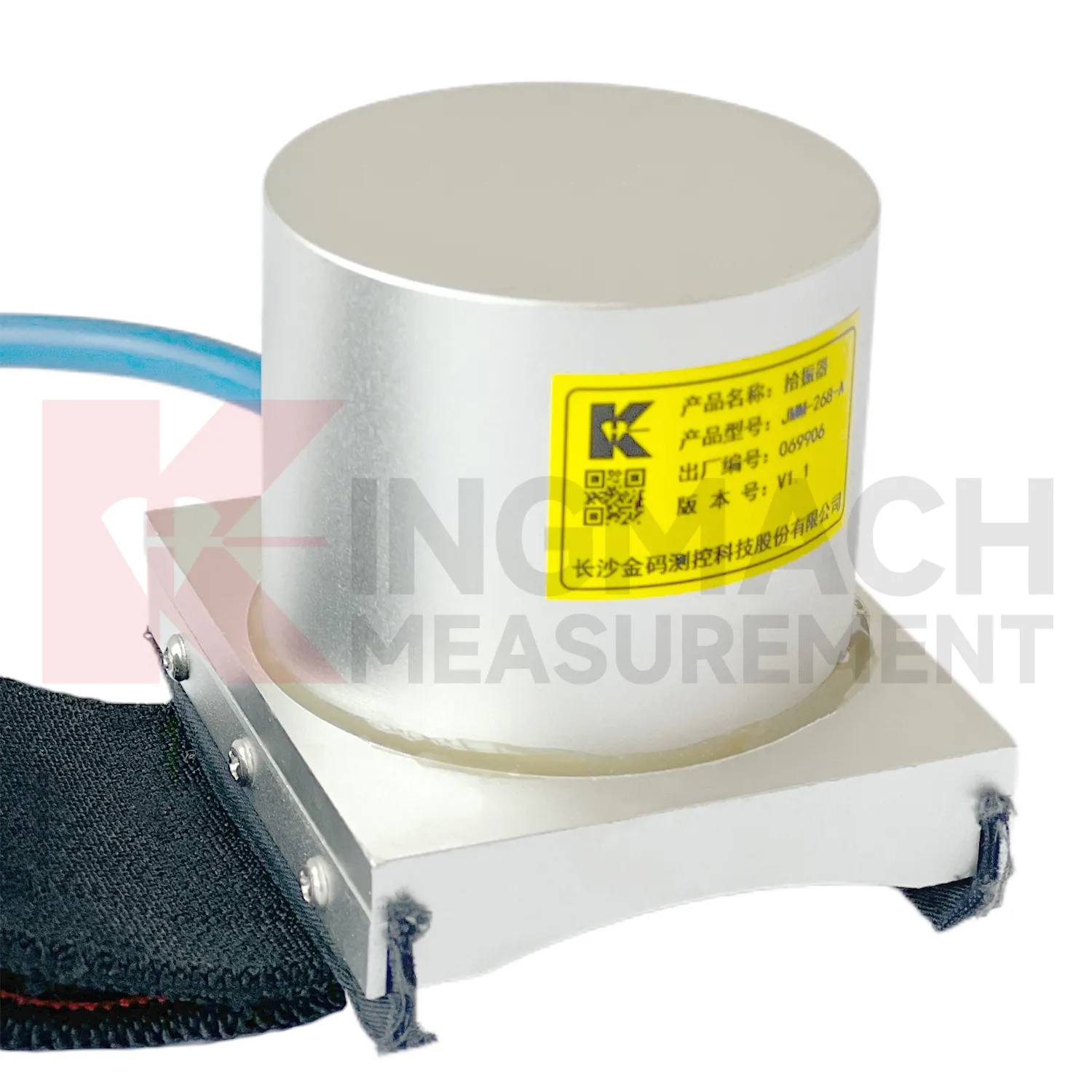
Vibration monitoring often gets treated as an add-on. But when a pump bearing starts to degrade, the difference between catching it early and a midnight shutdown often comes down to the sensor itself. We’ve supplied industrial vibration sensors long enough to know that not every site needs the same thing. Some teams want a simple 4-20 mA output to feed into an existing PLC. Others need a low-noise charge output sensor for route-based data collection on a paper machine. Kingmach sits in that middle ground—sensors that do the job without over-engineering the spec sheet. Our range covers standard IEPE accelerometers, triaxial sensors for tight spaces, and loop-powered sensors for straightforward trending. If your application doesn’t quite fit off-the-shelf housing materials or cable lengths, we’ll adjust the build. It’s not about having the fanciest datasheet; it’s about getting usable, repeatable vibration data from your equipment.
Technical Detail
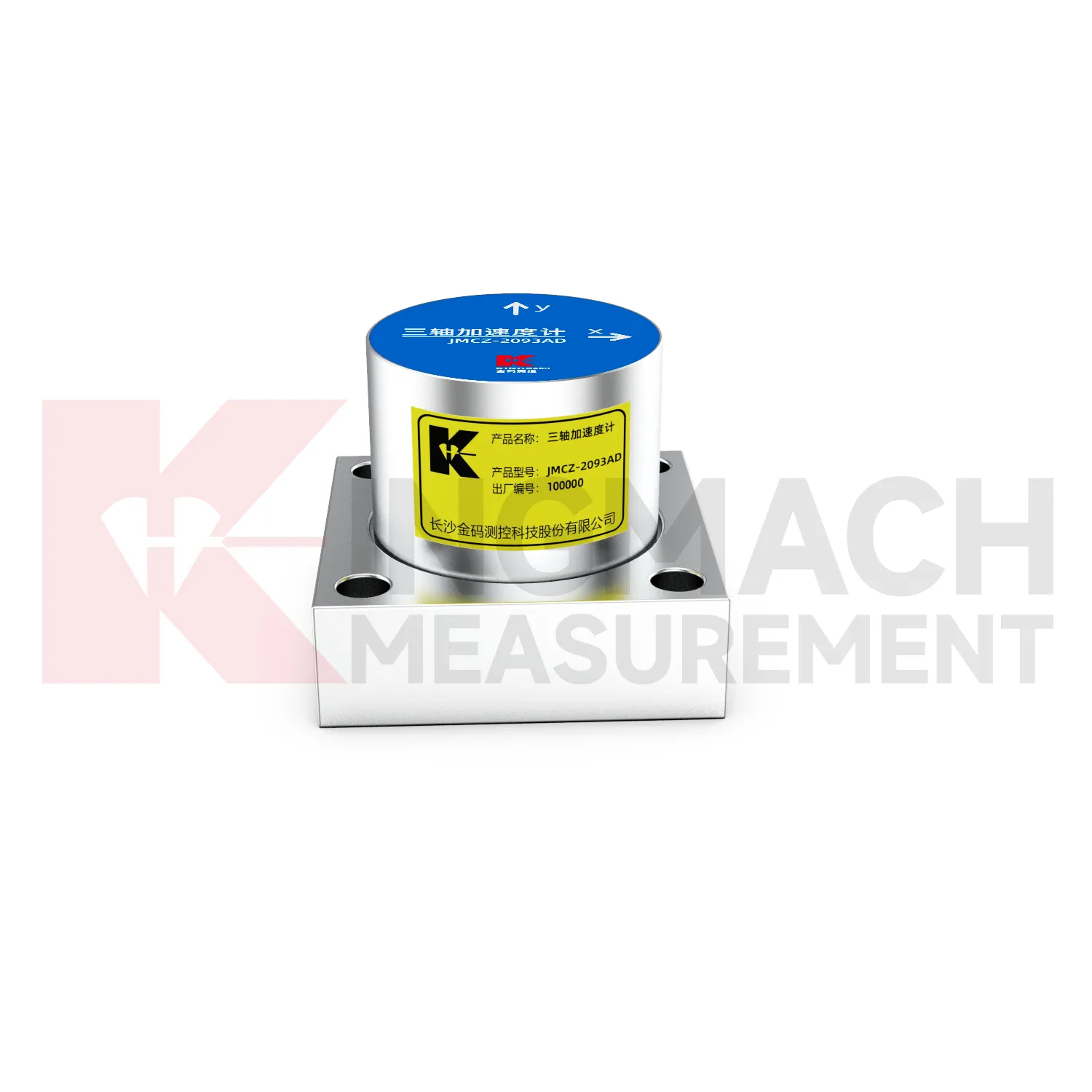
Industrial vibration sensors from Kingmach are built around what maintenance teams actually need. We keep the core specifications straightforward: most of our accelerometers operate within a frequency response of 0.5 Hz to 10 kHz, with sensitivity options from 10 mV/g to 500 mV/g depending on whether you’re monitoring a slow-speed mixer or a high-speed spindle. The sensing element is typically PZT ceramic, housed in stainless steel to handle common plant environments—not necessarily cleanroom conditions, but places where oil mist and washdowns happen. We offer both top-exit and side-exit connectors, M12 or MIL-C-5015 styles, and we’re flexible on cable assemblies. For multi-point monitoring, our triaxial sensors reduce installation time by combining three axes into a single housing. Loop-powered sensors (4-20 mA output) skip the need for a charge amplifier, which simplifies wiring and cuts cost on basic trending tasks. Because we assemble in-house, we can adjust mounting threads, temperature range (commonly up to 120°C with standard units), or even add a splash-proof boot for outdoor conveyors. Kingmach has a distribution network that stocks common models, so lead times aren’t a guessing game. We also offer customization for larger orders, but most users find our standard range covers everything from cooling tower fans to CNC spindles. Technical support is included—you call, you get someone who knows the difference between a low-frequency bearing fault and a resonance issue. No chatbots.
News
Key Takeaways An alert chain needs more than a sensor: define field in...
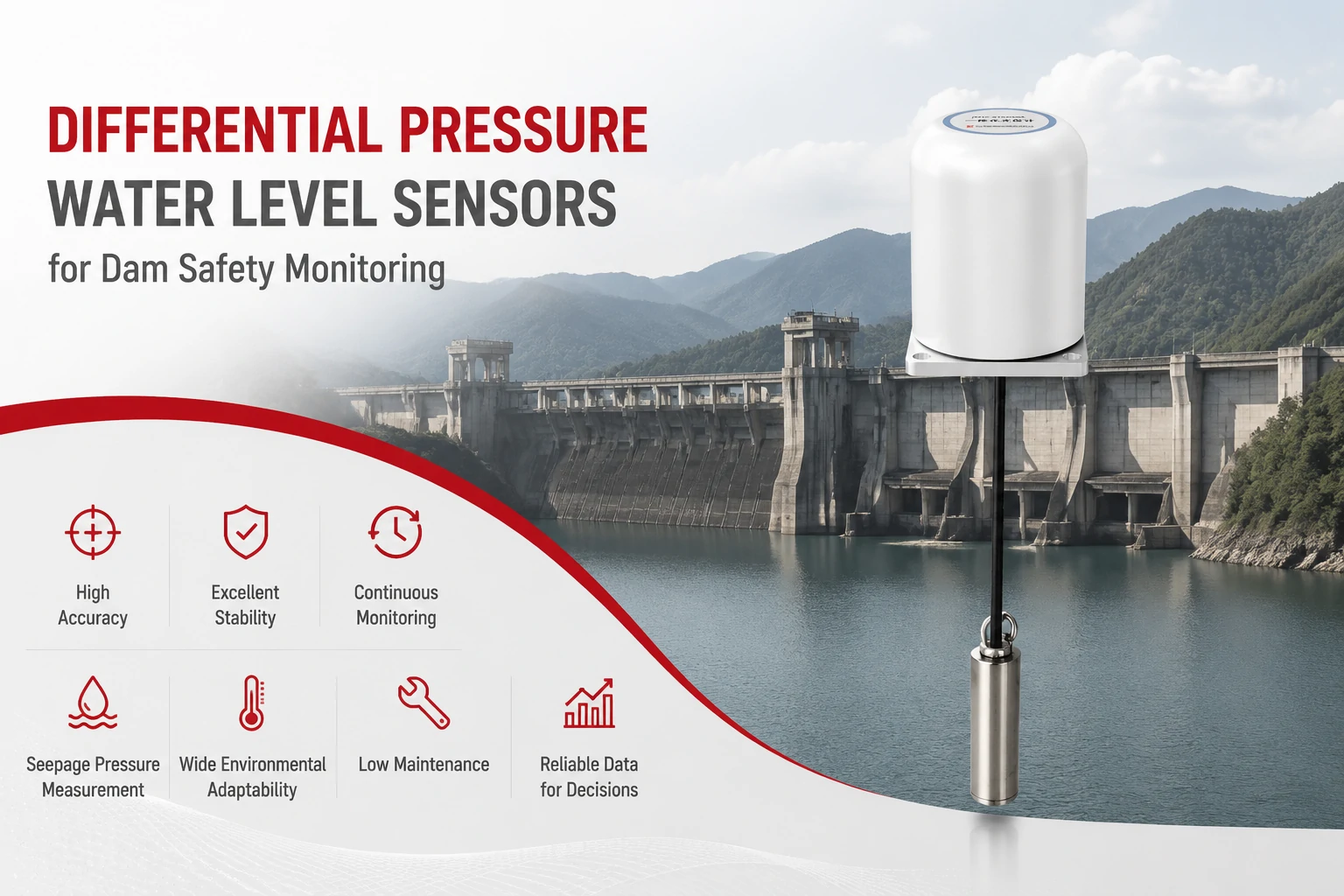
Key Takeaways The strongest fit is usually a confined, submerged, or s...
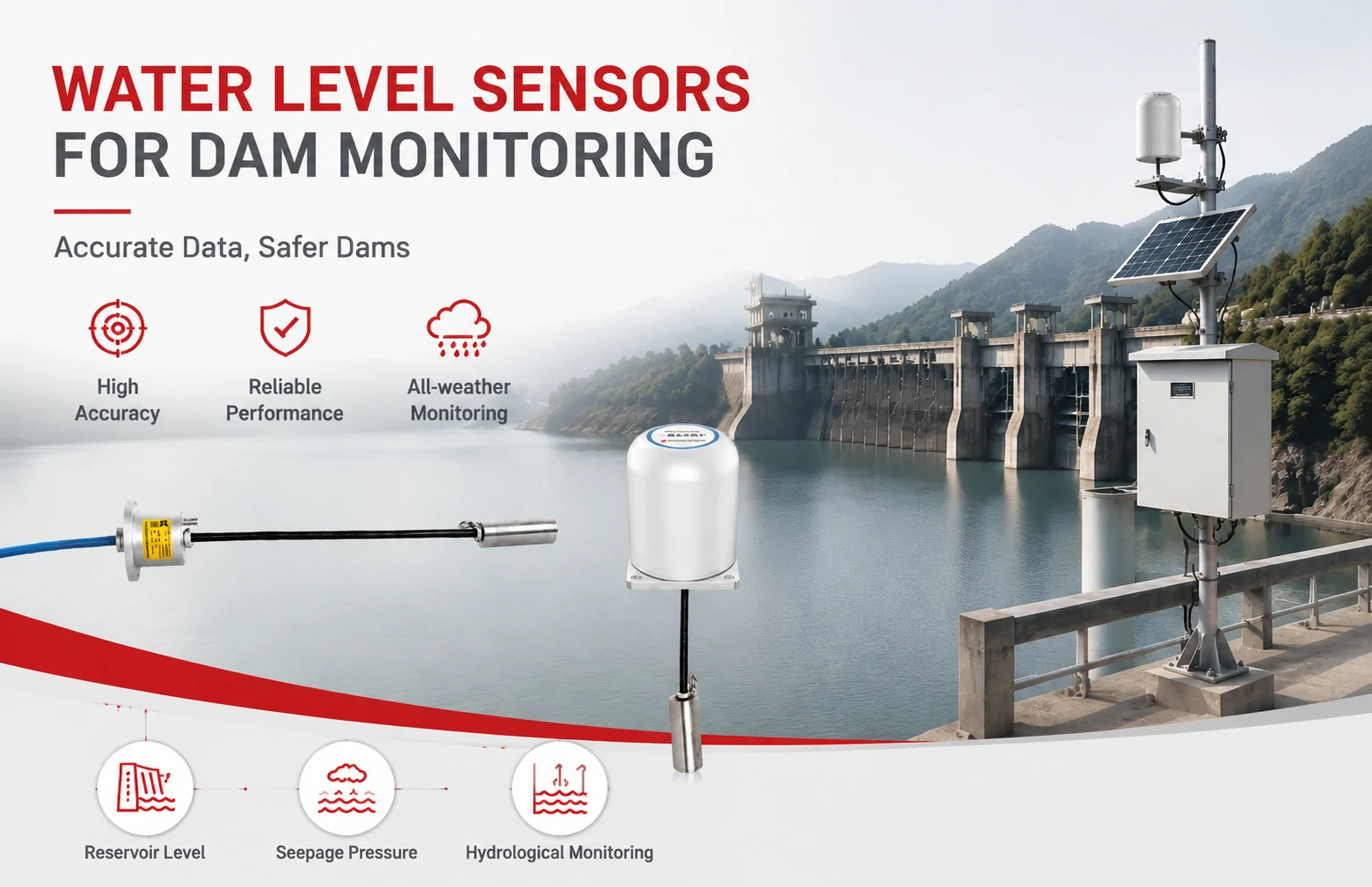
Kingmach Water Level Sensors for Dam Monitoring: A Buyer's Guide to Differential Pre...
Products
FAQ
It depends on what you’re connecting to. If you already have a vibration analyzer or a DAQ system with ICP/IEPE inputs, an IEPE sensor gives you the full dynamic waveform for detailed analysis. If you just want a 4-20 mA signal into a PLC or a simple panel meter for overall vibration trending, a loop-powered transmitter is simpler and usually less expensive to wire. We’ve seen both used on the same site—IEPE on critical gearboxes, 4-20 mA on balance-of-plant pumps.
Standard models are rated to 120°C continuous, which covers most industrial environments. We can go higher with charge-mode sensors if you’re looking at turbine casings or furnace fans, but that usually requires a separate charge amplifier. Let us know your application and we’ll spec it out.
Yes. We stock various connector styles—M12, 2-pin MIL, 3-pin MIL—and we can build custom cable assemblies with high-flex jackets or stainless steel armor if the sensor is on a moving gantry or robot. Just give us the length and the connector you need at the DAQ end.
Our manufacturing tolerance is typically ±5% sensitivity, which is standard for this class of sensor. You won’t see the ultra-tight ±1% of premium brands, but for 90% of condition monitoring programs, ±5% at a reasonable cost is the smarter buy. When you’re trending the same machine over time, consistency matters more than lab-grade calibration.
Share your product type, target capacity, and application requirements. Our team can review the details and recommend a practical next step.
If you are interested in our products or want to become our partner.
Please leave your contact information, our team will contact you as soon as possible.
Mail: [email protected]
Contact Us: +8613808434127
Address: No. 188 Tongzipo West Rd, Changsha, Hunan, China