
 EN
EN
 ar
ar bg
bg hr
hr cs
cs da
da nl
nl fi
fi fr
fr de
de el
el hi
hi it
it ko
ko no
no pl
pl pt
pt ro
ro ru
ru es
es sv
sv tl
tl iw
iw id
id lv
lv lt
lt sr
sr sk
sk sl
sl uk
uk vi
vi et
et hu
hu th
th tr
tr fa
fa ms
ms hy
hy ka
ka ur
ur bn
bn mn
mn ta
ta kk
kk uz
uz ku
ku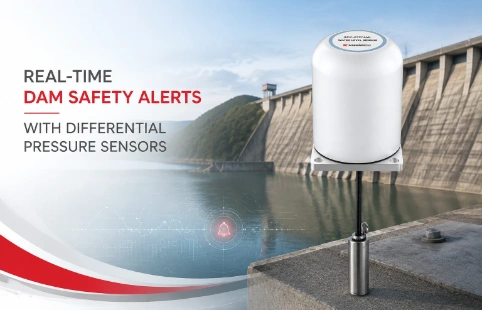
Real-Time Dam Safety Alerts with Differential Pressure Water Level Sensors
Key Takeaways An alert chain needs more than a sensor: define field in...

Load Cell Amplifiers for Accurate Signal Conditioning
In geotechnical monitoring, the tiny signals coming from strain gauge load cells often get lost in noise. A good amplifier doesn't just make the signal bigger—it filters out interference and keeps the measurement stable over months of unattended operation. Kingmach load cell amplifiers are built with that real-world need in mind. They handle the low-level outputs common in pressure cells, anchor load cells, and soil stress sensors. You can adjust gain and offset to match your sensor’s range, and the units are rugged enough for field sites. We see many customers using them in tunnel lining stress monitoring, pile testing, and landslide early warning systems where data quality directly affects safety decisions. Rather than a one-size-fits-all box, our amplifiers come in several models to match different sensor impedances and cable lengths, and we can customize the filtering or output format if your project requires it. Most installations run on a simple DC supply, and the output goes straight into data loggers or wireless nodes. Customers often ask about calibration stability—the electronics are designed for low drift, so you don’t need to re-zero constantly. When you need technical help, our engineers are familiar with the common pain points of field wiring and grounding, which can make or break a monitoring system.
Technical Detail
Kingmach load cell amplifiers convert the millivolt-level signals from strain gauge sensors into clean, high-level outputs suitable for data acquisition systems. There are a few things that set them apart for monitoring work. The front-end uses low-noise differential inputs to reject common-mode interference that you often get with long cables. Gain settings are selectable via DIP switches or trimmers, covering typical ranges from 0.5 mV/V to 3 mV/V sensitivity. Excitation voltage is stable at 5 V or 10 V, which matters because sensor output drifts if excitation moves. Some models include adjustable low-pass filtering to cut out 50/60 Hz mains hum, which can bury a load cell signal underground. Inside, the board is conformally coated to cope with humidity and dust—a small detail that prevents corrosion failures in damp tunnel environments. These units fit easily into NEMA enclosures alongside terminal blocks and surge protectors. Output options span 0–10 V, 4–20 mA, or digital RS485, so they’ll talk to nearly any logger or PLC. In practice, a 4–20 mA loop works well for long cable runs without signal loss. Applications we regularly support include strut load monitoring in deep excavations, tie-back anchor testing, and retaining wall pressure measurement. Because each project has its own quirks, we can tweak the gain range, add temperature compensation for sensors working in extreme climates, or supply pre-wired junction boxes to speed up site setup. We have distributors in several regions, and we keep stock of common models to avoid long lead times. Support doesn’t stop at the sale—our team helps with wiring diagrams and can remote connect to diagnose issues, which saves site visits.
News
Key Takeaways An alert chain needs more than a sensor: define field in...
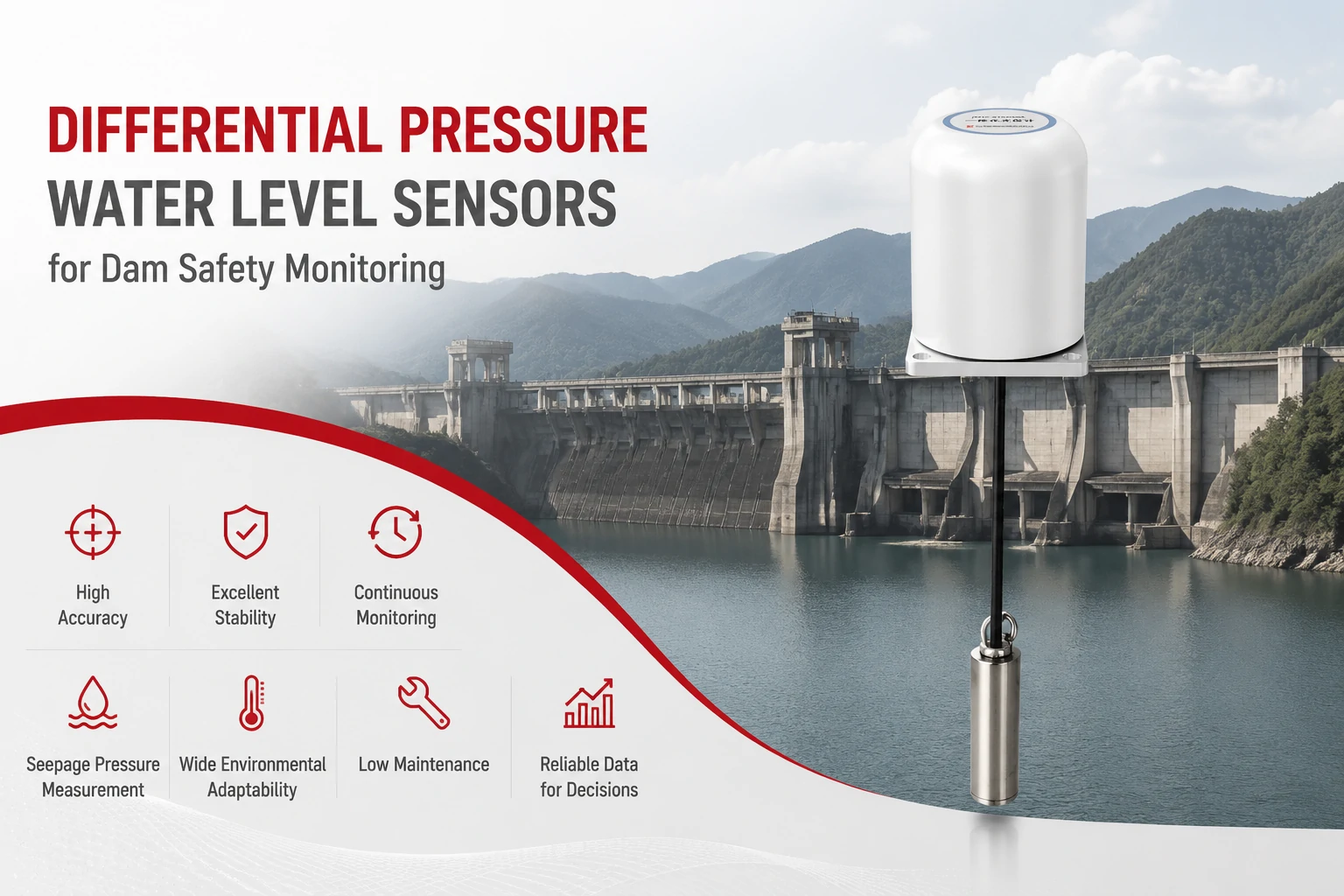
Key Takeaways The strongest fit is usually a confined, submerged, or s...
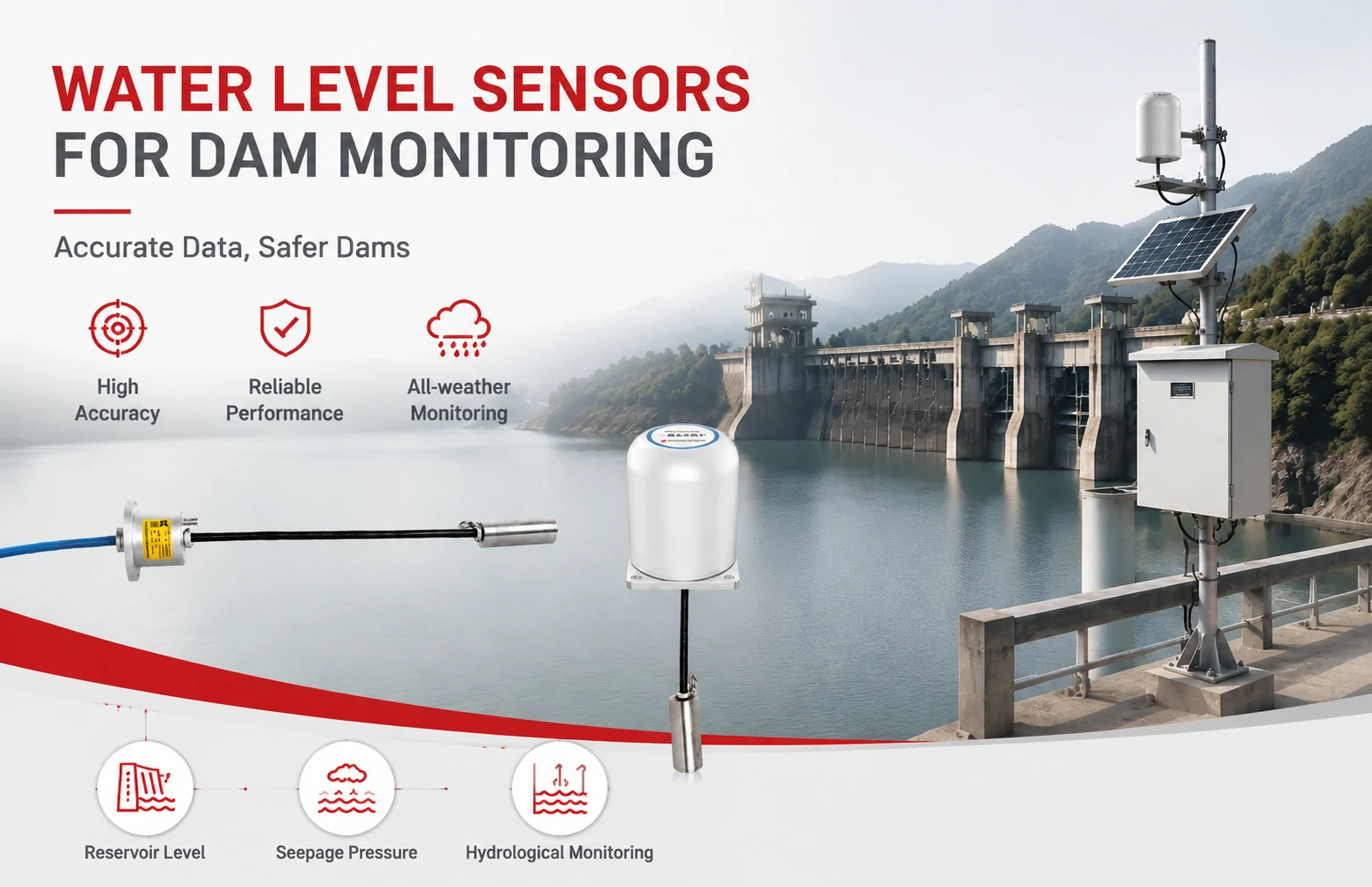
Kingmach Water Level Sensors for Dam Monitoring: A Buyer's Guide to Differential Pre...
Products
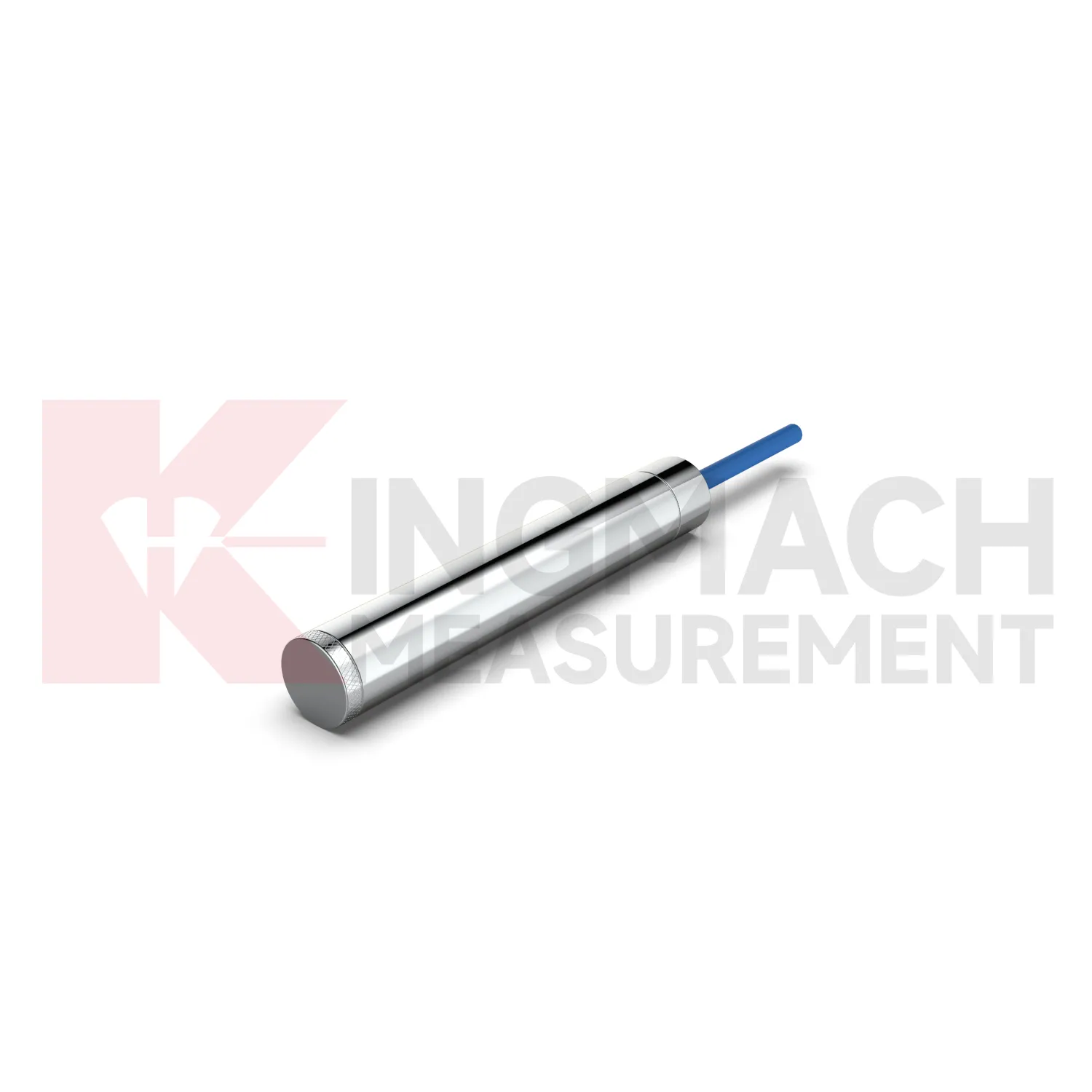
Smart Vibrating Wire PiezometerSmart Piezometers (VW) JMZX-55XXHAT
View Details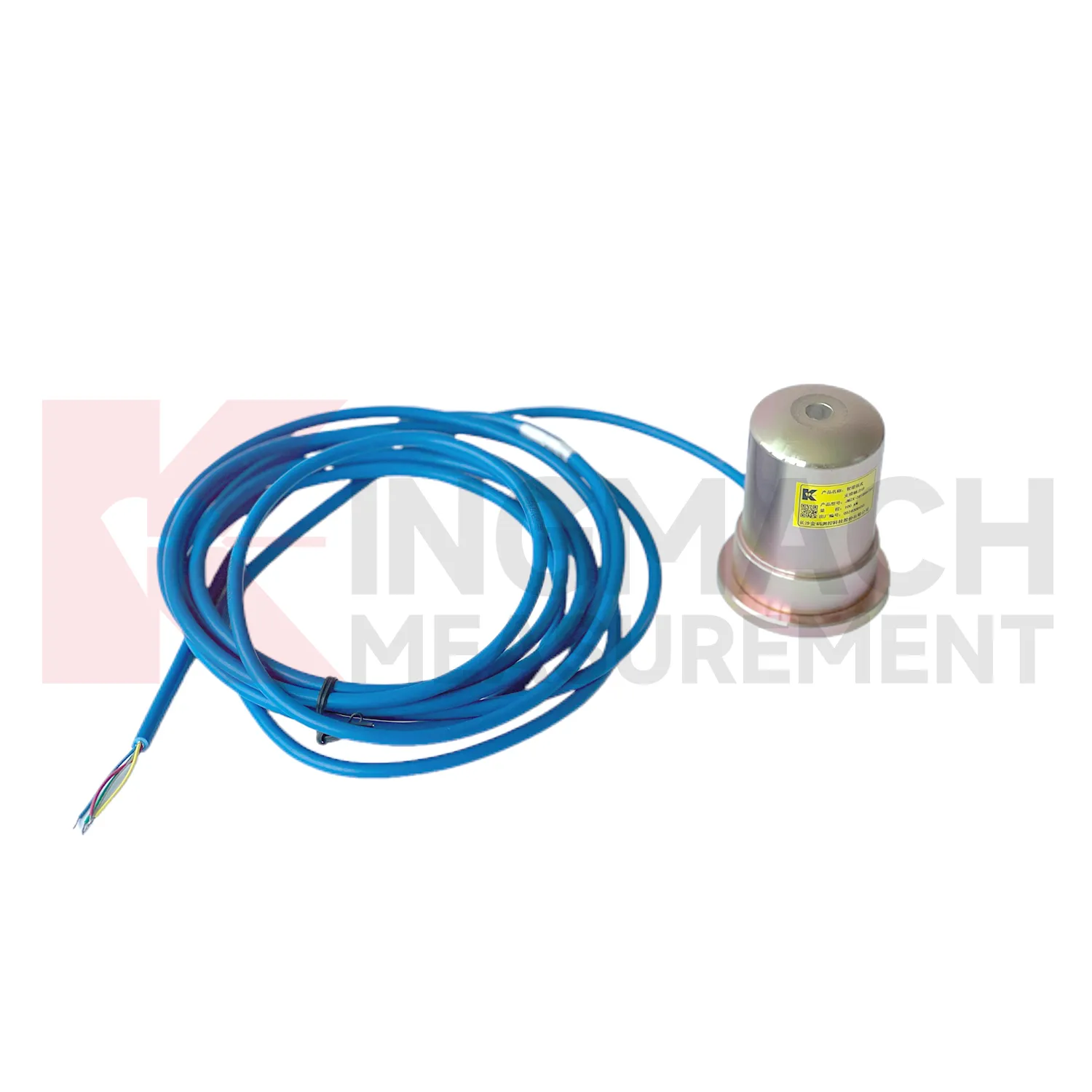
Smart Formwork Axial Force Meter(VW)JMZX-39XXHAT
View Details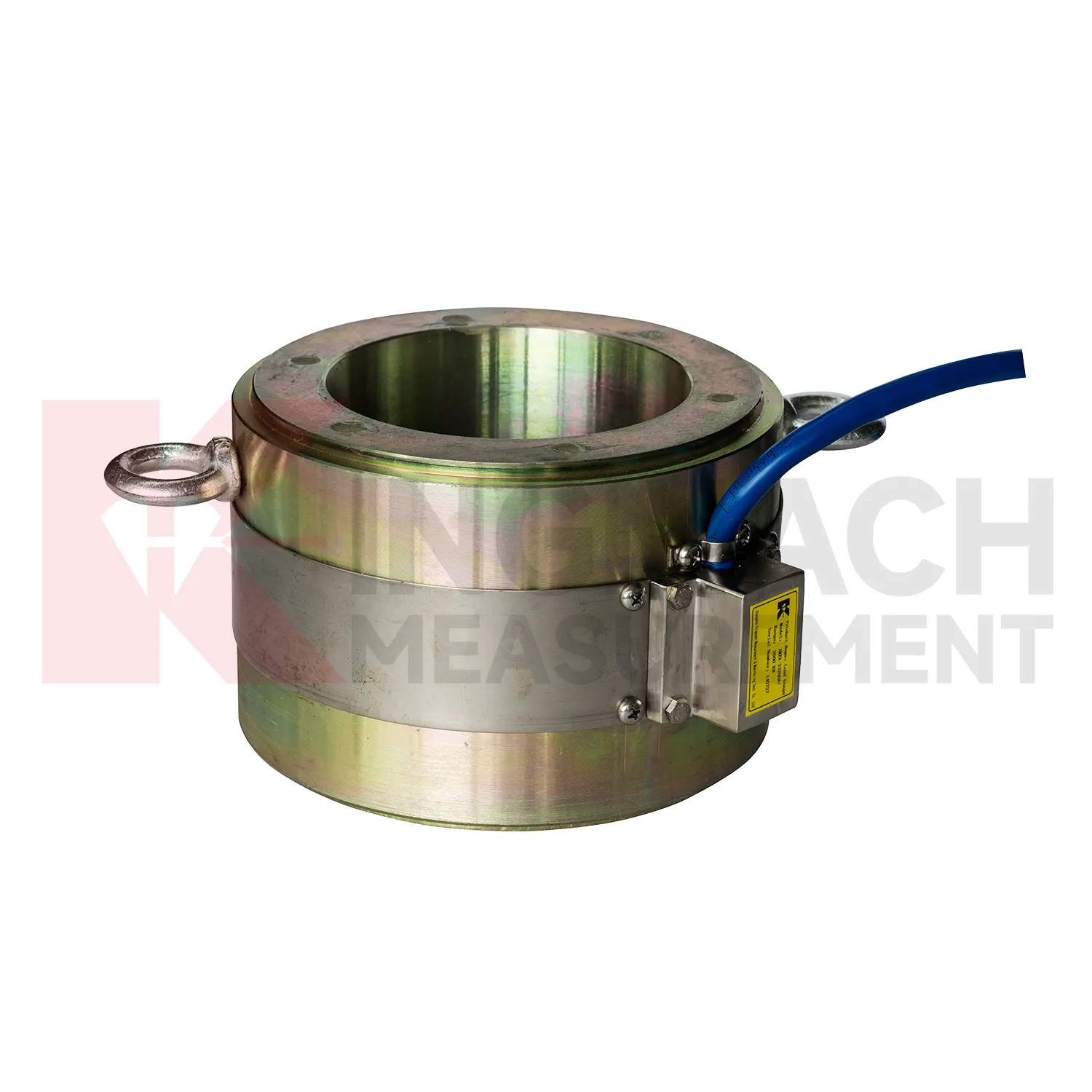
FAQ
Check your load cell’s rated output in mV/V. If it’s 2 mV/V and you excite at 10 V, full-scale signal is 20 mV. Set the amplifier gain so that 20 mV input produces your desired full-scale output, say 10 V. We usually include a gain table in the manual to make setting DIP switches straightforward.
Yes, but you need to consider noise and voltage drop on the excitation lines. Using a 6-wire connection with remote sense helps compensate for cable resistance. Our amplifiers accept remote sense inputs. For runs over 100 meters, a 4–20 mA output is often better than voltage to avoid interference.
Often. If you’re measuring dynamic loads like traffic on a bridge, you may want a wider bandwidth. For static tunnel monitoring, we can set a lower cutoff frequency to suppress vibration noise. Just let us know the frequency range of interest, and we can adjust the filter components before shipping.
That depends on the logger. Many loggers accept 0–2.5 V or 0–5 V analog inputs. We usually provide 0–10 V as standard, and you can use a simple resistor divider to scale it down. 4–20 mA is also common, especially in industrial PLCs. We can configure the output type when you order.
The amplifiers use low-drift op-amps and precision reference voltages. In normal conditions, zero drift is typically less than 0.05% of full scale per year. If your sensor is installed in a location with large temperature swings, we can apply additional temperature compensation to the amplifier circuit.
Share your product type, target capacity, and application requirements. Our team can review the details and recommend a practical next step.
If you are interested in our products or want to become our partner.
Please leave your contact information, our team will contact you as soon as possible.
Mail: [email protected]
Contact Us: +8613808434127
Address: No. 188 Tongzipo West Rd, Changsha, Hunan, China