
 EN
EN
 ar
ar bg
bg hr
hr cs
cs da
da nl
nl fi
fi fr
fr de
de el
el hi
hi it
it ko
ko no
no pl
pl pt
pt ro
ro ru
ru es
es sv
sv tl
tl iw
iw id
id lv
lv lt
lt sr
sr sk
sk sl
sl uk
uk vi
vi et
et hu
hu th
th tr
tr fa
fa ms
ms hy
hy ka
ka ur
ur bn
bn mn
mn ta
ta kk
kk uz
uz ku
ku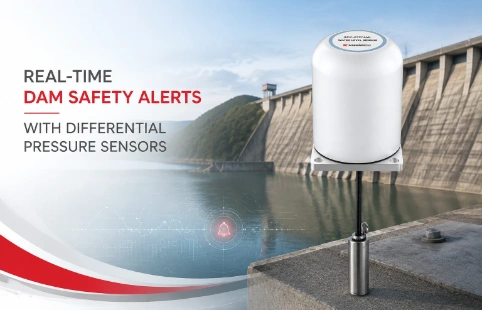
Real-Time Dam Safety Alerts with Differential Pressure Water Level Sensors
Key Takeaways An alert chain needs more than a sensor: define field in...

Precision Load Cells That Handle Field Conditions Without Drifting
Most load cell datasheets look impressive at 25°C inside a lab. Move them to a construction site where temperature swings 20 degrees between morning and afternoon, and a lot of those sensors start showing numbers that don’t match reality. For geotechnical monitoring and structural testing, that’s more than an inconvenience—it means redoing work or missing early warnings. Kingmach builds precision load cells specifically to reduce this gap. We start with proven strain gauge technology and pair it with temperature compensation circuits tested under real outdoor conditions, not just simulated cycles. The result is a sensor that holds its accuracy over weeks and months of continuous logging, which matters a lot whether you are measuring anchor forces on a slope or verifying pile load tests. And because we maintain a wide manufacturing range, you can get a load cell with the exact capacity and physical size your setup requires, rather than settling for whichever off-the-shelf model is closest.
Technical Detail
Kingmach designs precision load cells around the needs of field monitoring, where long-term stability matters more than a single-point calibration certificate. The sensing element uses a bonded foil strain gauge bridge, configured to compensate for off-axis loading and temperature drift. Most models deliver 0.05% to 0.1% full-scale accuracy in capacities from a few kilograms up to several hundred tonnes, covering everything from small laboratory tests to heavy civil loads. The body is machined from alloy steel or stainless steel, with optional IP67 or IP68 sealing for installations that will see rain, mud, or high humidity for years. Output options include mV/V for connection to standard dataloggers and 4–20 mA or RS485 variants when you need to cover long cable runs without signal loss. Engineers usually ask about creep and zero balance—specs you rarely see in cheap load cells but that define whether a sensor will read the same force at hour one and hour one hundred. Kingmach’s load cells keep creep within 0.03% and zero balance within 0.5% of full scale, numbers that align with what serious monitoring programs expect. Beyond standard compression and tension models, we machine custom load pins, centre-hole cells for anchor bolts, and low-profile canisters for tight jacking setups. The lead time on custom work is typically shorter than with larger multinationals because our engineering team handles both design and production under one roof. Technical support stays with you after delivery—if your crew runs into wiring questions on site, you can reach someone who knows the product, not a generic call centre.
News
Key Takeaways An alert chain needs more than a sensor: define field in...
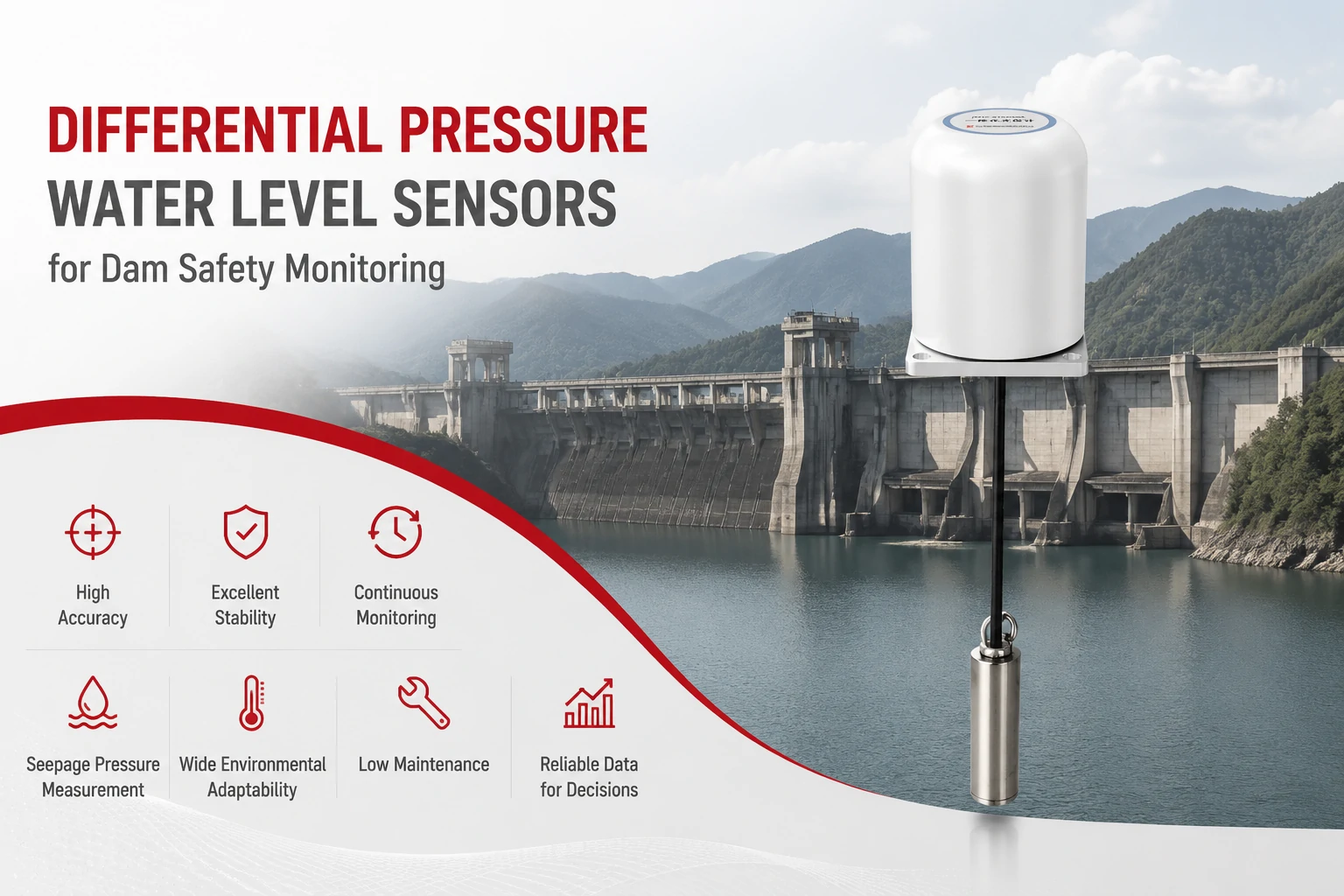
Key Takeaways The strongest fit is usually a confined, submerged, or s...
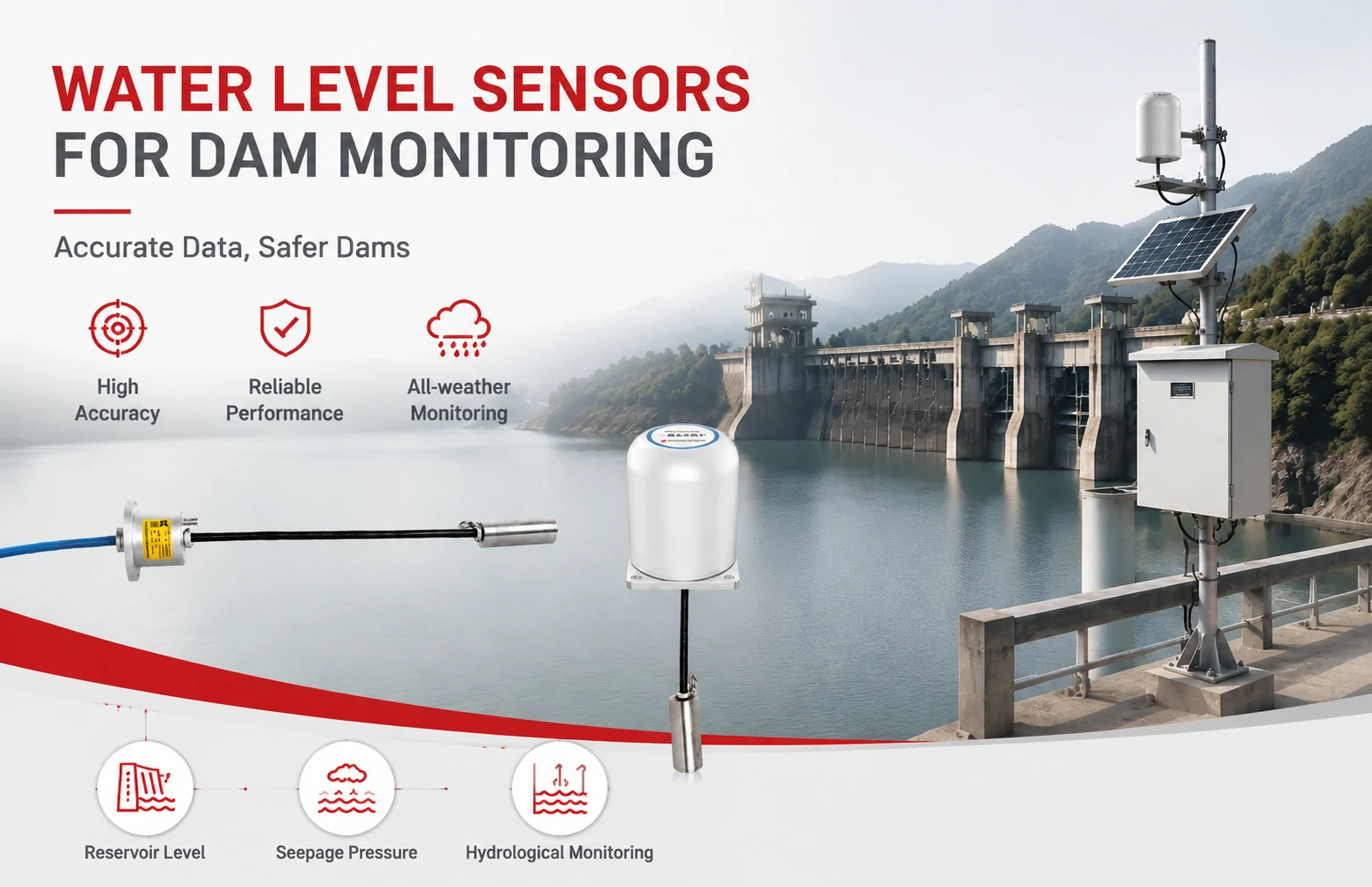
Kingmach Water Level Sensors for Dam Monitoring: A Buyer's Guide to Differential Pre...
Products
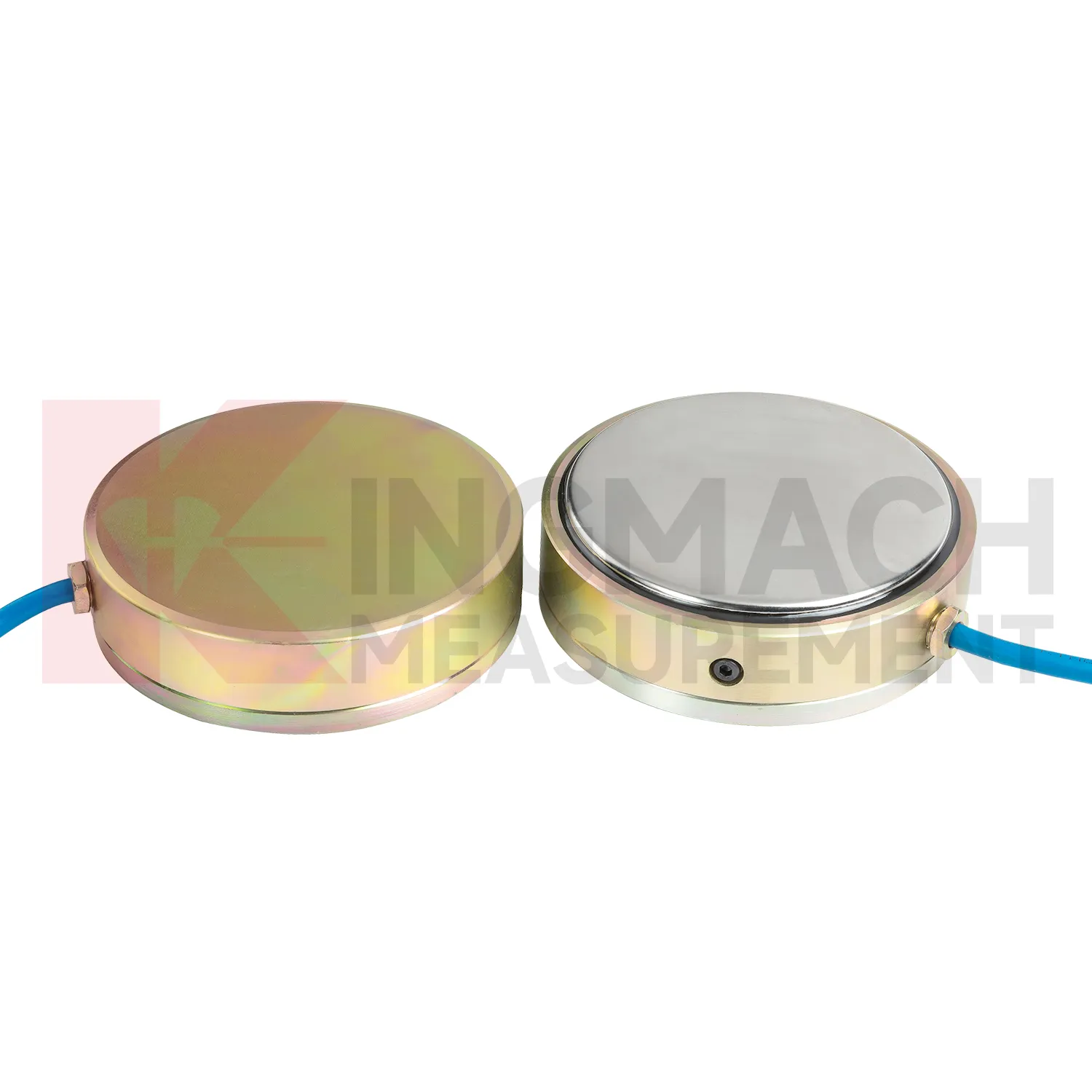
Earth Pressure Cell ( VW & Smart Type) JMZX-50XXAT/ ATM
View Details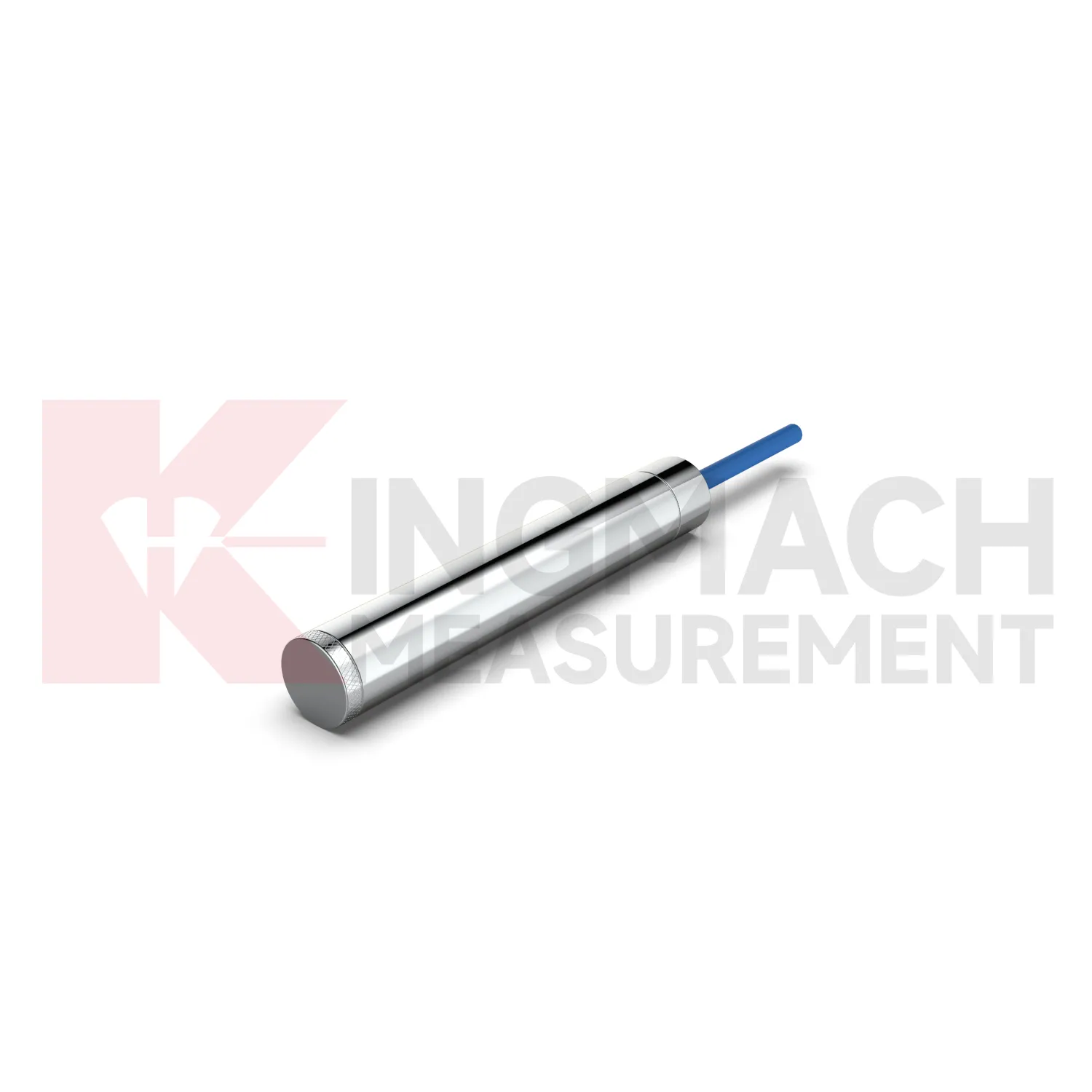
Smart Vibrating Wire PiezometerSmart Piezometers (VW) JMZX-55XXHAT
View Details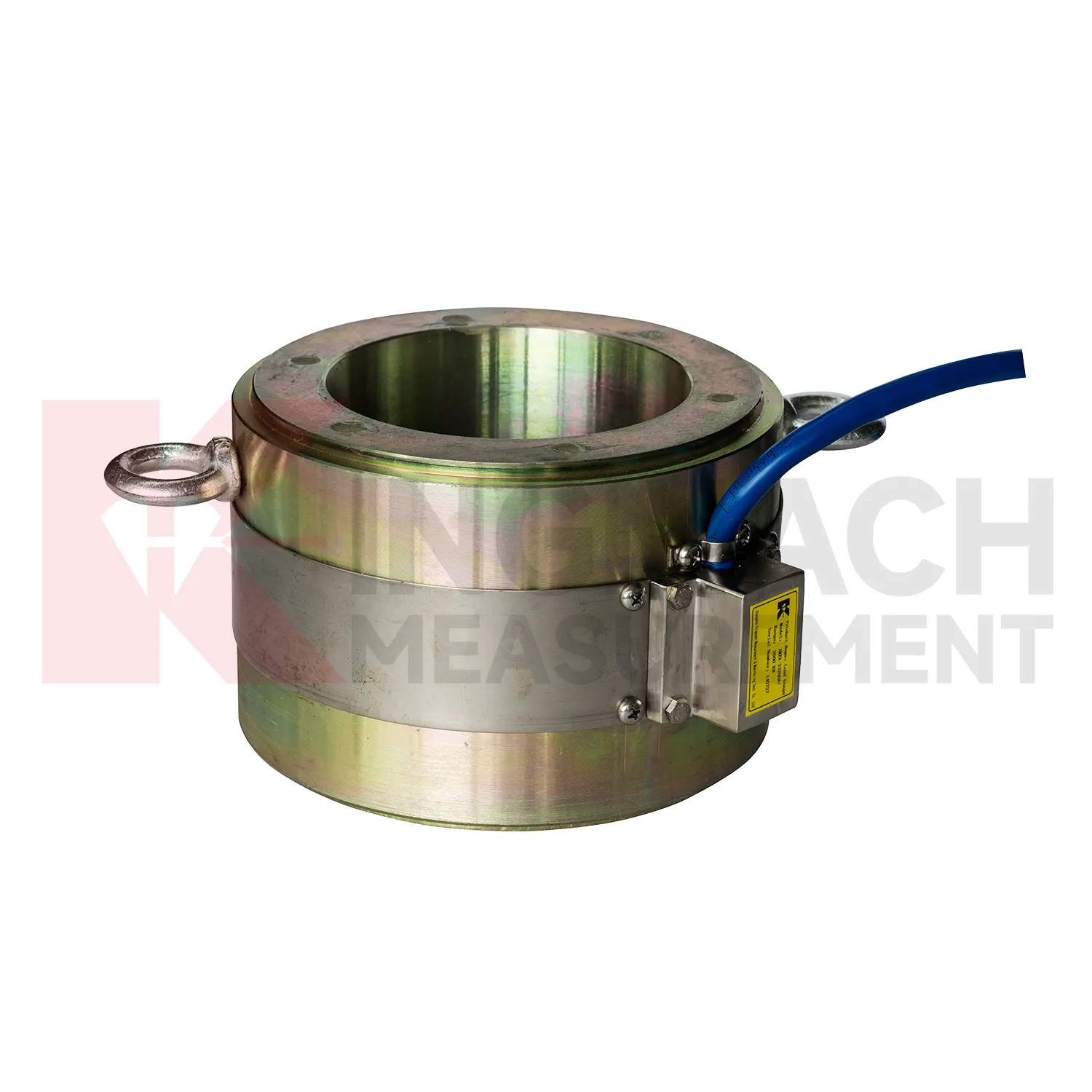
FAQ
Start by estimating your maximum test load and add a 20% safety margin. Tell us that value and the physical constraints of your anchor head. Kingmach can often supply a load cell with a dual-range calibration or a centre-hole design that works for both temporary and permanent monitoring, so you don’t need to stock multiple units for one site.
Most geotechnical dataloggers read mV/V signals directly, but you need to check the excitation voltage and input range. If your logger only accepts 4–20 mA, we can include a compact in-line amplifier inside the load cell housing, so you don’t have to buy a separate signal conditioner.
Not if you pick the right sealing option. Kingmach offers vented cable assemblies and double-sealed connections rated to IP68. Several monitoring companies use our load cells in permanent groundwater wells; we usually recommend a potting compound around the cable entry as extra insurance, which we can apply during assembly if you request it.
With a stable mechanical installation, annual recalibration is typical. If you suspect overloading or see sudden zero shifts in your data, send it in sooner. Kingmach keeps calibration records for each serial number and can issue a traceable certificate when we service it.
Share your product type, target capacity, and application requirements. Our team can review the details and recommend a practical next step.
If you are interested in our products or want to become our partner.
Please leave your contact information, our team will contact you as soon as possible.
Mail: [email protected]
Contact Us: +8613808434127
Address: No. 188 Tongzipo West Rd, Changsha, Hunan, China