
 EN
EN
 ar
ar bg
bg hr
hr cs
cs da
da nl
nl fi
fi fr
fr de
de el
el hi
hi it
it ko
ko no
no pl
pl pt
pt ro
ro ru
ru es
es sv
sv tl
tl iw
iw id
id lv
lv lt
lt sr
sr sk
sk sl
sl uk
uk vi
vi et
et hu
hu th
th tr
tr fa
fa ms
ms hy
hy ka
ka ur
ur bn
bn mn
mn ta
ta kk
kk uz
uz ku
ku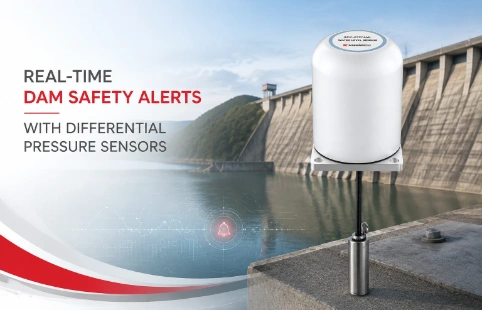
Real-Time Dam Safety Alerts with Differential Pressure Water Level Sensors
Key Takeaways An alert chain needs more than a sensor: define field in...

Pressure Strain Gauge Sensors: Practical Monitoring for Civil Works
When a tunnel lining shows unexpected cracking, the engineering team needs answers fast. A pressure strain gauge sensor embedded in the concrete can tell them if the load is shifting or if there’s a material weakness. Kingmach builds these sensors for exactly that kind of work. We’re a geotechnical instrumentation manufacturer, not a catalog reseller, so we’re used to adapting the gauge design to fit the project—different cable lengths, specific mounting brackets, signal outputs that match your data logger. Our sensors go into dams, deep foundations, bridges, and retaining walls, measuring strain in steel or concrete over decades. The stability of the reading matters more than initial accuracy; we focus on sealed housings and consistent gauge factors to keep drift low. We’ve shipped to dozens of countries and offer technical support in English, Spanish, and Mandarin, so if a sensor acts up, you’re not stuck waiting for business hours in another time zone. What you get is a tool that’s been refined by real field feedback, not just lab specs.
Technical Detail
Kingmach pressure strain gauge sensors are built for geotechnical and structural health monitoring where the environment is tough and the data needs to be reliable over long periods. Our catalogue includes embedment strain gauges, arc-weldable gauges, and spot-weldable strain gauges, each suited to a different material and installation method. The sensing element uses a full Wheatstone bridge arrangement, which helps with temperature compensation and noise rejection—common issues when cables run hundreds of meters in a construction site. You can specify the output as mV/V, 4-20mA, or RS485 depending on how far the signal needs to travel and what kind of readout you’re using. The gauge length options typically range from 50mm to 250mm, chosen based on the aggregate size in concrete or the homogeneity of the material you’re measuring. We also offer pressure cells that integrate strain gauges into a sealed housing for direct stress measurement in soil or rock. What sets us apart is the ability to customize these specifications without a huge premium. If your project needs a non-standard resistance value, a longer waterproof cable with Kevlar reinforcement, or a gauge pre-bonded to a carbon fiber plate, we can do that. We test each sensor for insulation resistance and gauge factor before shipping, and provide a calibration sheet. Orders can be fulfilled through our distribution partners or directly from our factory in China, with typical lead times of 2-4 weeks for standard items. For large-scale monitoring projects, we can also supply data acquisition systems and training, so you’re not stuck integrating parts from five different suppliers.
News
Key Takeaways An alert chain needs more than a sensor: define field in...
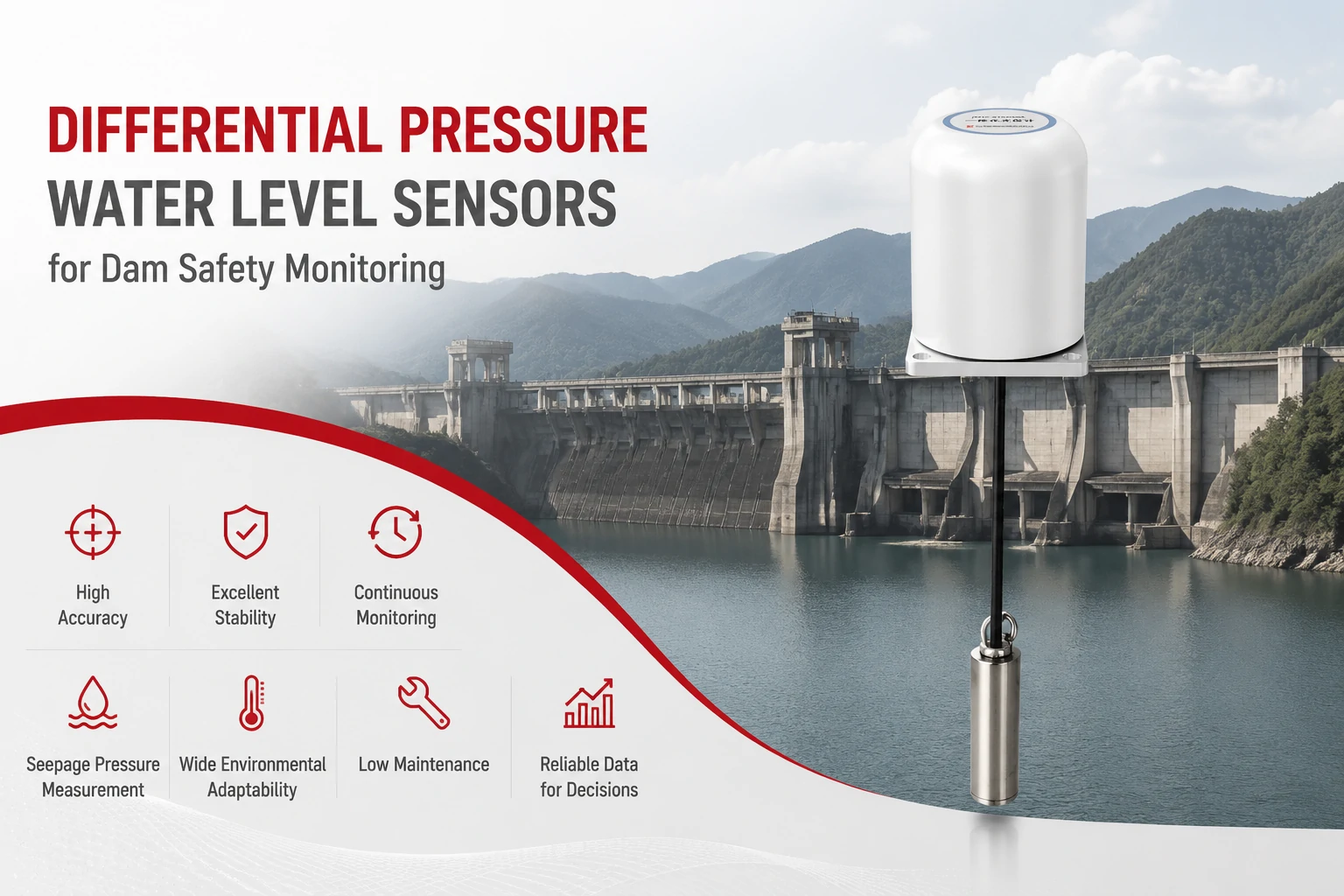
Key Takeaways The strongest fit is usually a confined, submerged, or s...
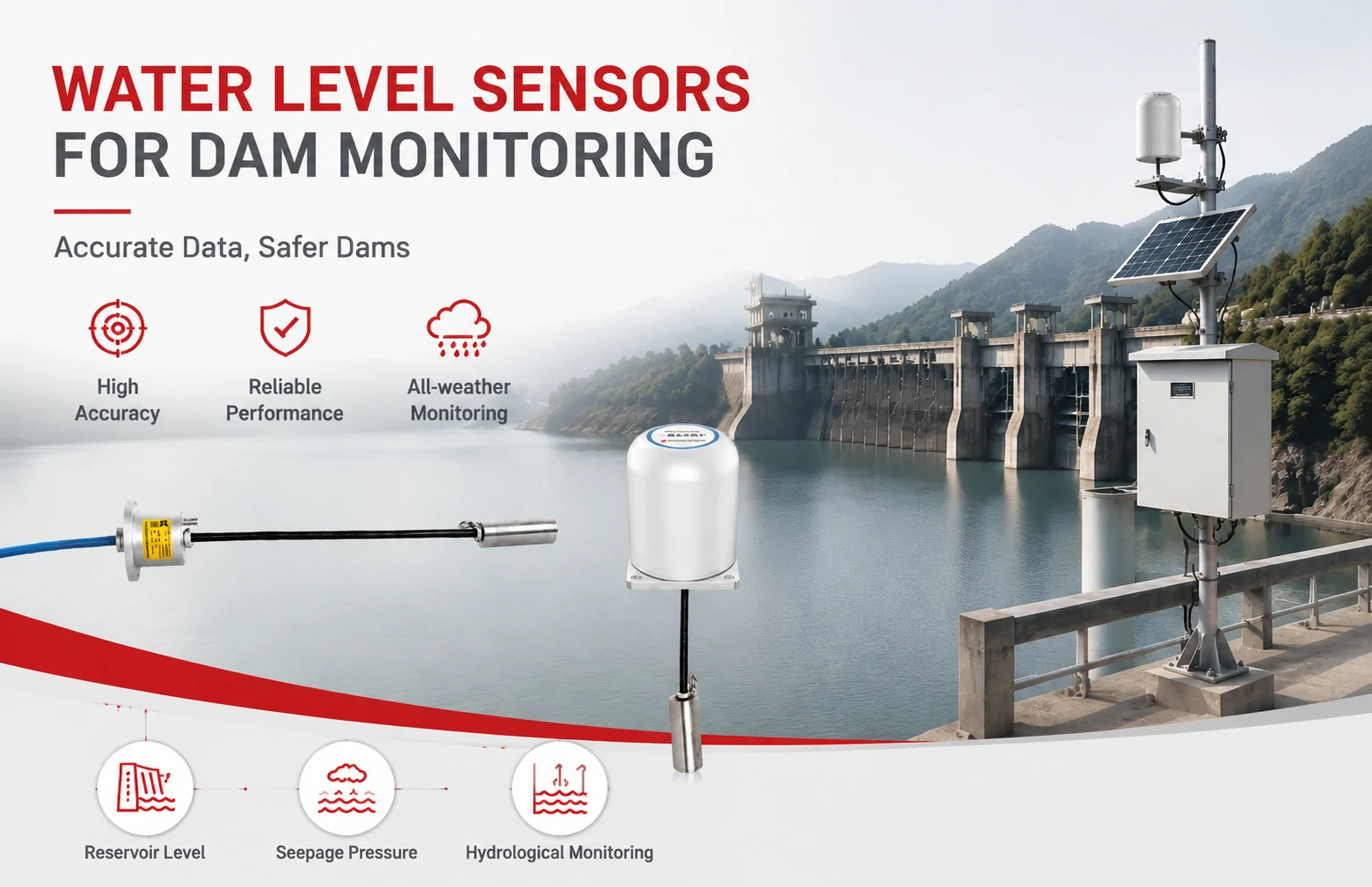
Kingmach Water Level Sensors for Dam Monitoring: A Buyer's Guide to Differential Pre...
Products
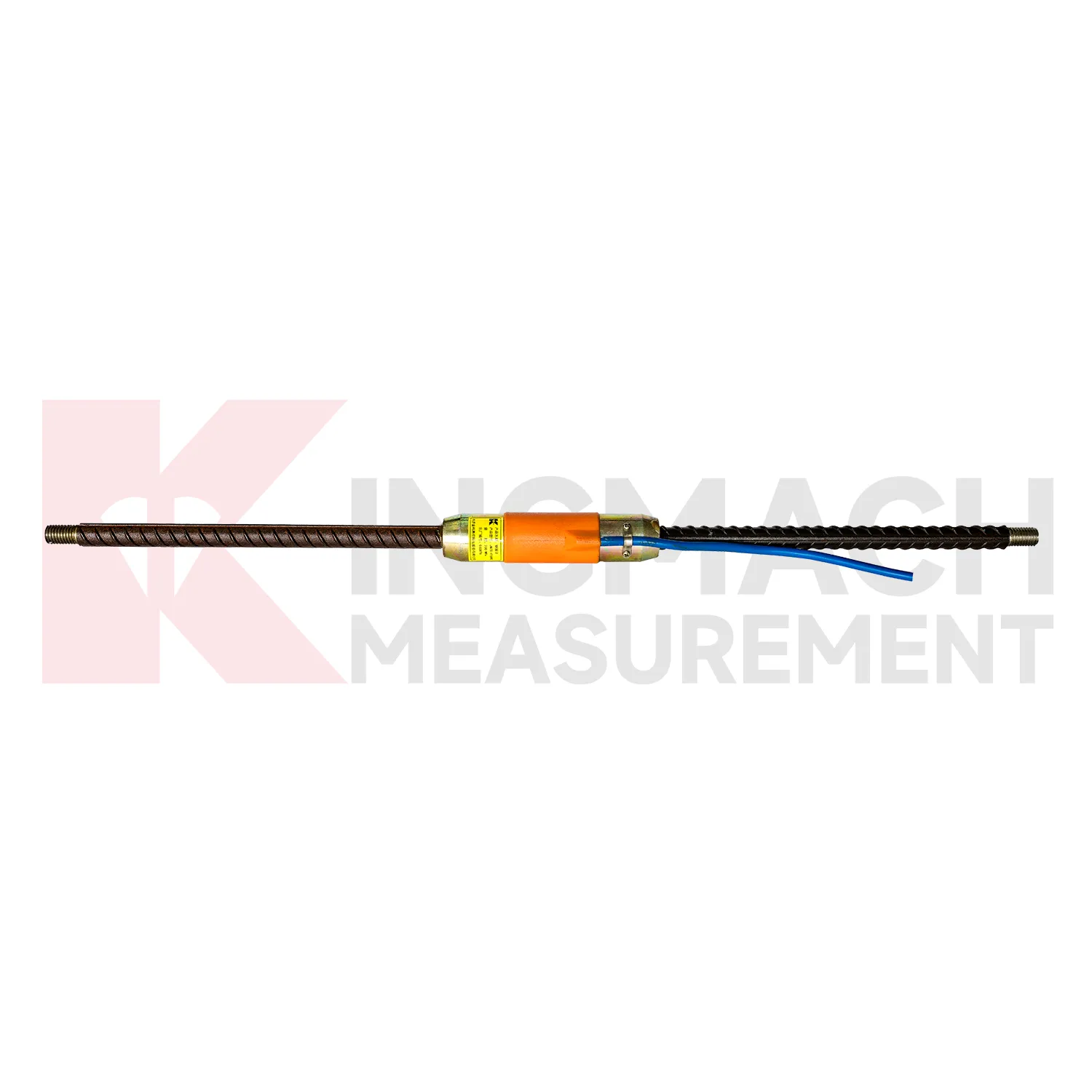
Rebar Strainmeters ( VW & Smart Type) JMZX-4XXHAT/HB
View Details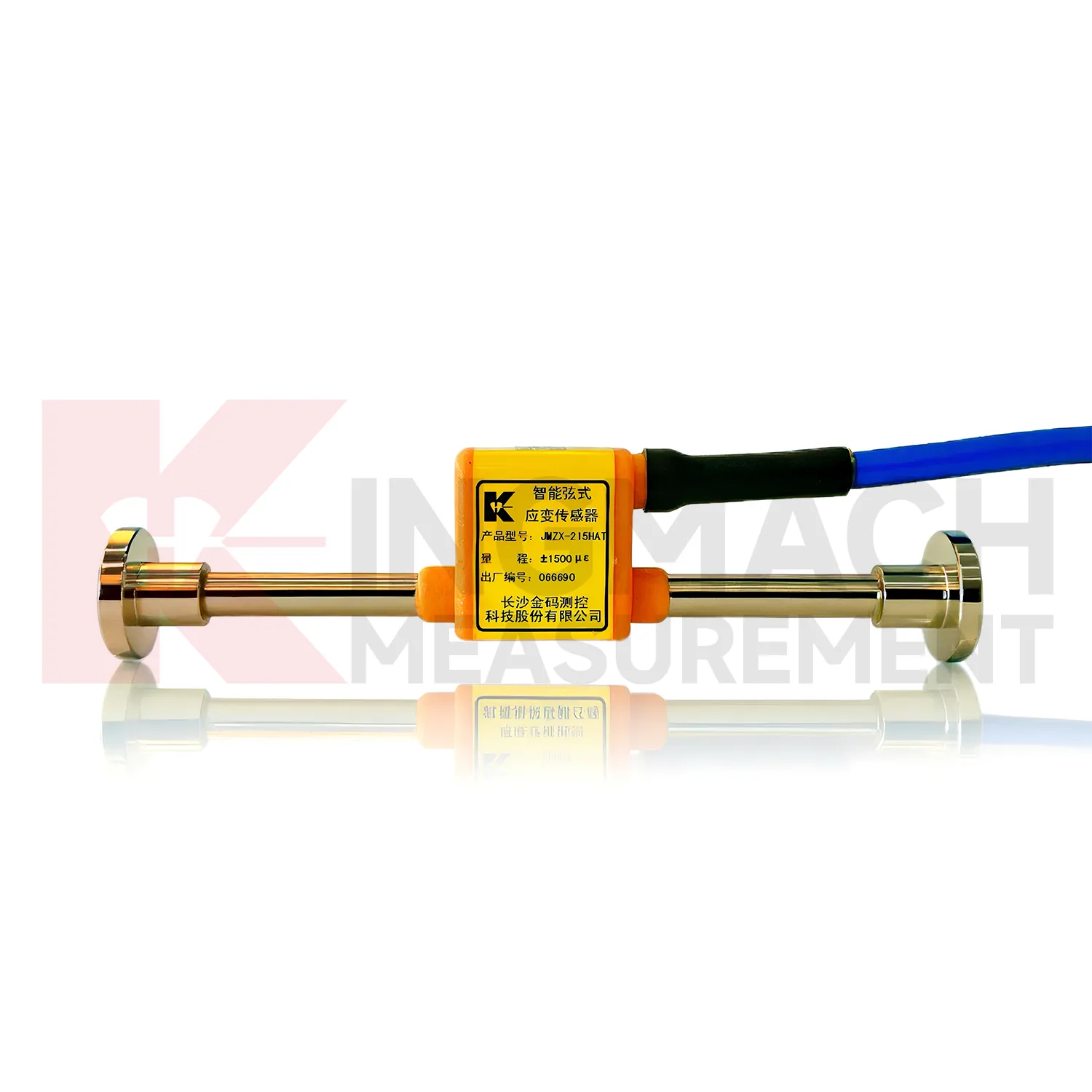
Smart vibrating wire strain gauge (embedment model) JMZX-215HA/215HAT/HB
View Details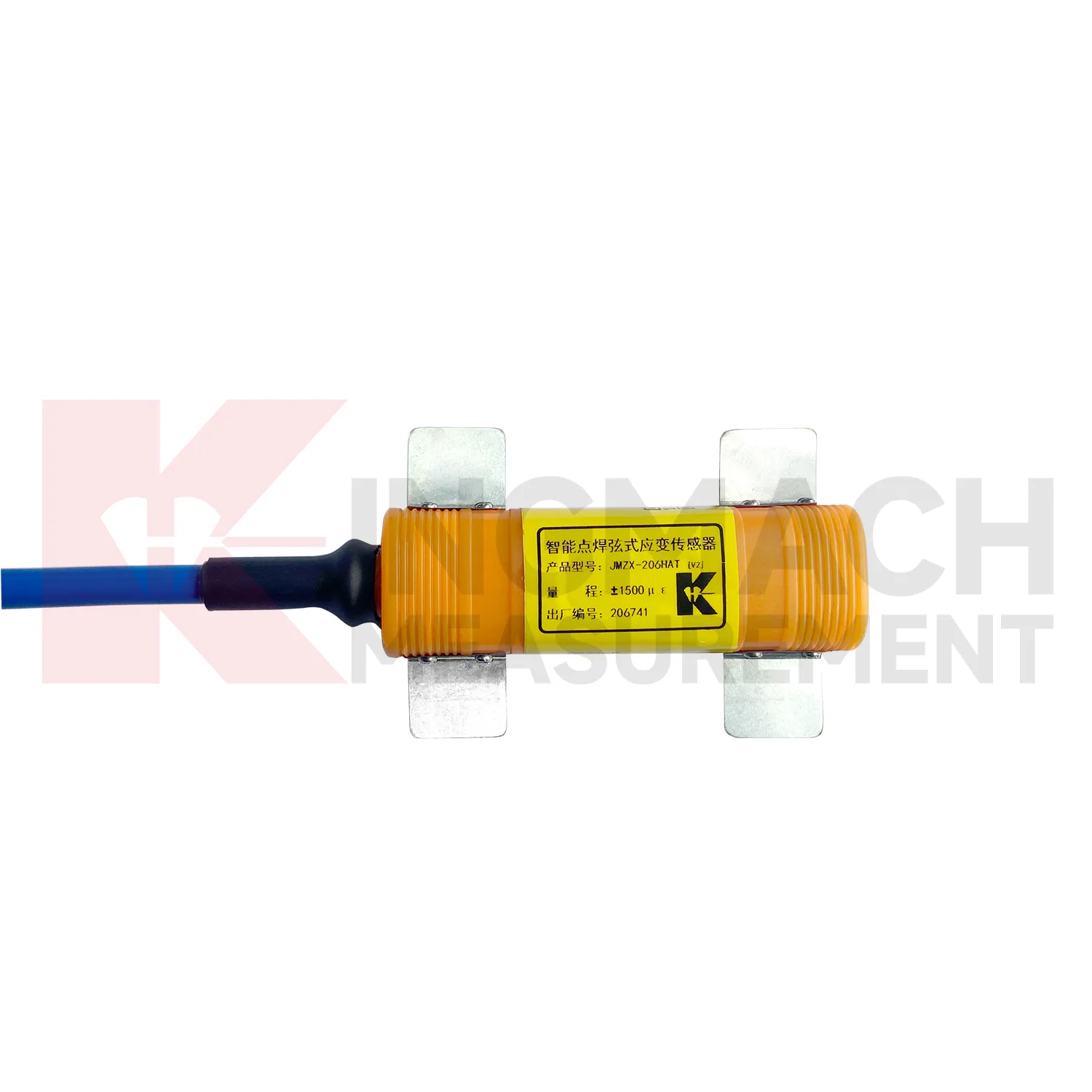
Smart vibrating wire strain gauge (surface welded model) JMZX-206HAT
View DetailsFAQ
We build embedment gauges with a composite sealing system that handles long-term water immersion at typical civil engineering depths. The cable entry is epoxy-sealed and the body is stainless steel, so corrosion isn’t a fast problem. For pressures over 2 MPa, we add an extra O-ring seal. If you need it to work at 100 meters underwater, that’s custom but doable—just tell us the depth and we’ll spec the housing accordingly.
Arc-weldable gauges use a small flange that you weld around the gauge’s perimeter, which works on thick steel members in heavy civil structures. Spot-weldable ones are thinner and attach with a portable spot welder, better for sheet piles or lighter steel where you can’t use a big arc welder. Both types isolate the gauge from the welding heat through a standoff, so the sensor itself doesn’t get cooked. We include a mounting block to keep alignment during installation.
It depends on the expected strain. For concrete, strain rarely exceeds 2000 microstrain before cracking, so a ±3000 microstrain range is common. Steel can go higher, maybe ±5000 microstrain. If you’re monitoring a rock bolt, you might need ±2000 microstrain. We’ve got standard ranges, but can tweak the sensing element if your engineer gives us the maximum anticipated strain. Better to have a bit of headroom than to max out the sensor during proof testing.
The gauge factor and zero offset are set at the factory, and you shouldn’t need to recalibrate unless the cable is damaged or the installation altered the gauge’s state. What you do need is a good shunt calibration at the data logger end to check the whole measurement chain. We supply a shunt resistor value that simulates a known strain, so you can verify the system without loading the structure. If the readings drift later, it’s usually a moisture ingress or cable damage issue, not a sensor fault.
Yes. The spot-weldable gauges can be fixed to a radius as small as 300mm without affecting the gauge’s performance, as long as the curvature is smooth. For tighter curves, we bond the gauge to a thin curved shim first, then weld that shim to the surface. Embedment gauges are cast into concrete, so the surface shape doesn’t matter as much—they just need proper positioning before the pour. If you send us a drawing, we can advise on the best type.
Share your product type, target capacity, and application requirements. Our team can review the details and recommend a practical next step.
If you are interested in our products or want to become our partner.
Please leave your contact information, our team will contact you as soon as possible.
Mail: [email protected]
Contact Us: +8613808434127
Address: No. 188 Tongzipo West Rd, Changsha, Hunan, China