
 EN
EN
 ar
ar bg
bg hr
hr cs
cs da
da nl
nl fi
fi fr
fr de
de el
el hi
hi it
it ko
ko no
no pl
pl pt
pt ro
ro ru
ru es
es sv
sv tl
tl iw
iw id
id lv
lv lt
lt sr
sr sk
sk sl
sl uk
uk vi
vi et
et hu
hu th
th tr
tr fa
fa ms
ms hy
hy ka
ka ur
ur bn
bn mn
mn ta
ta kk
kk uz
uz ku
ku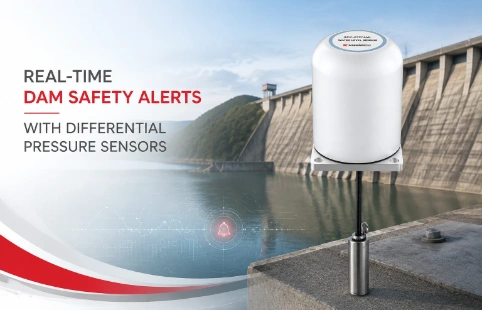
Real-Time Dam Safety Alerts with Differential Pressure Water Level Sensors
Key Takeaways An alert chain needs more than a sensor: define field in...

Seismic Accelerometers for Demanding Field Measurement
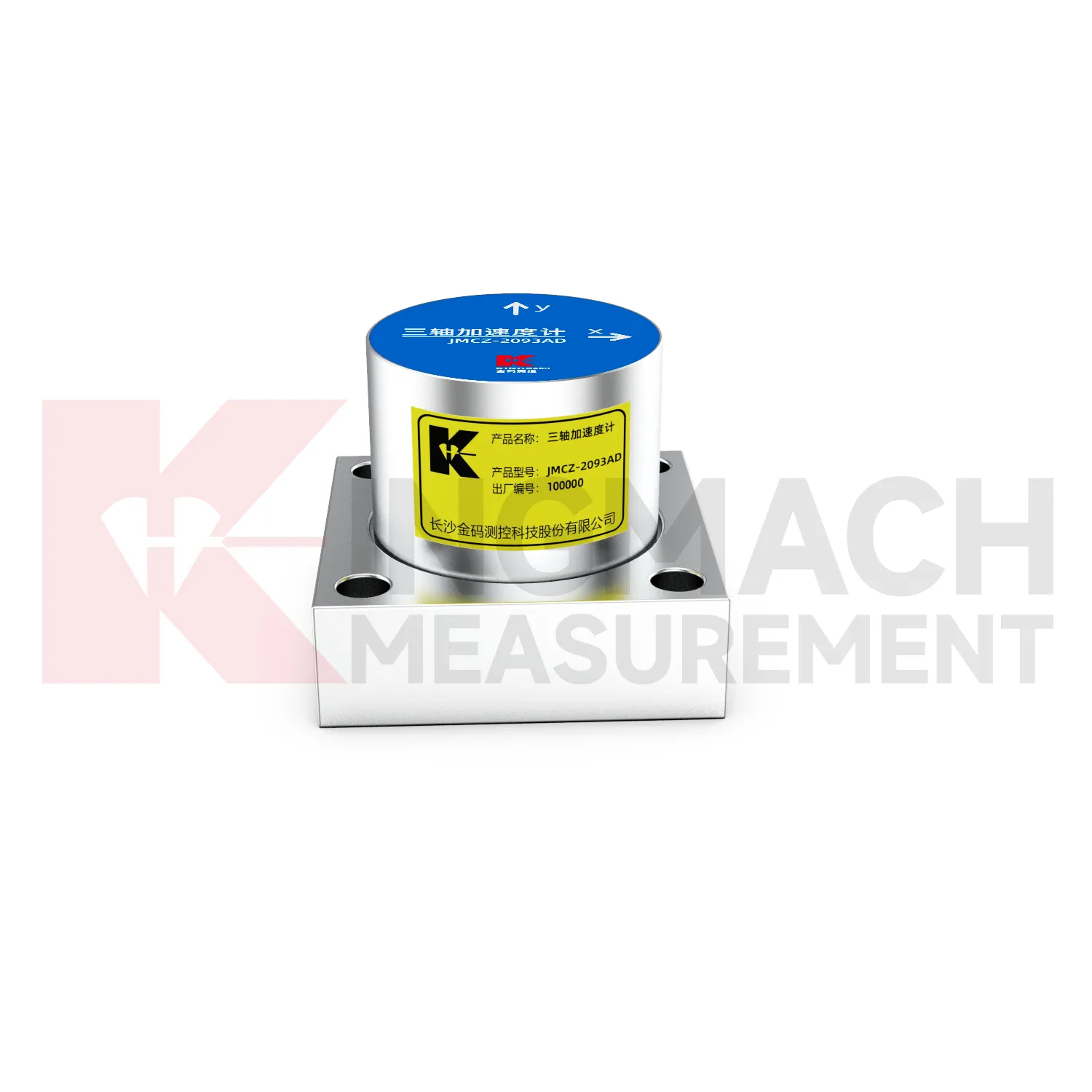
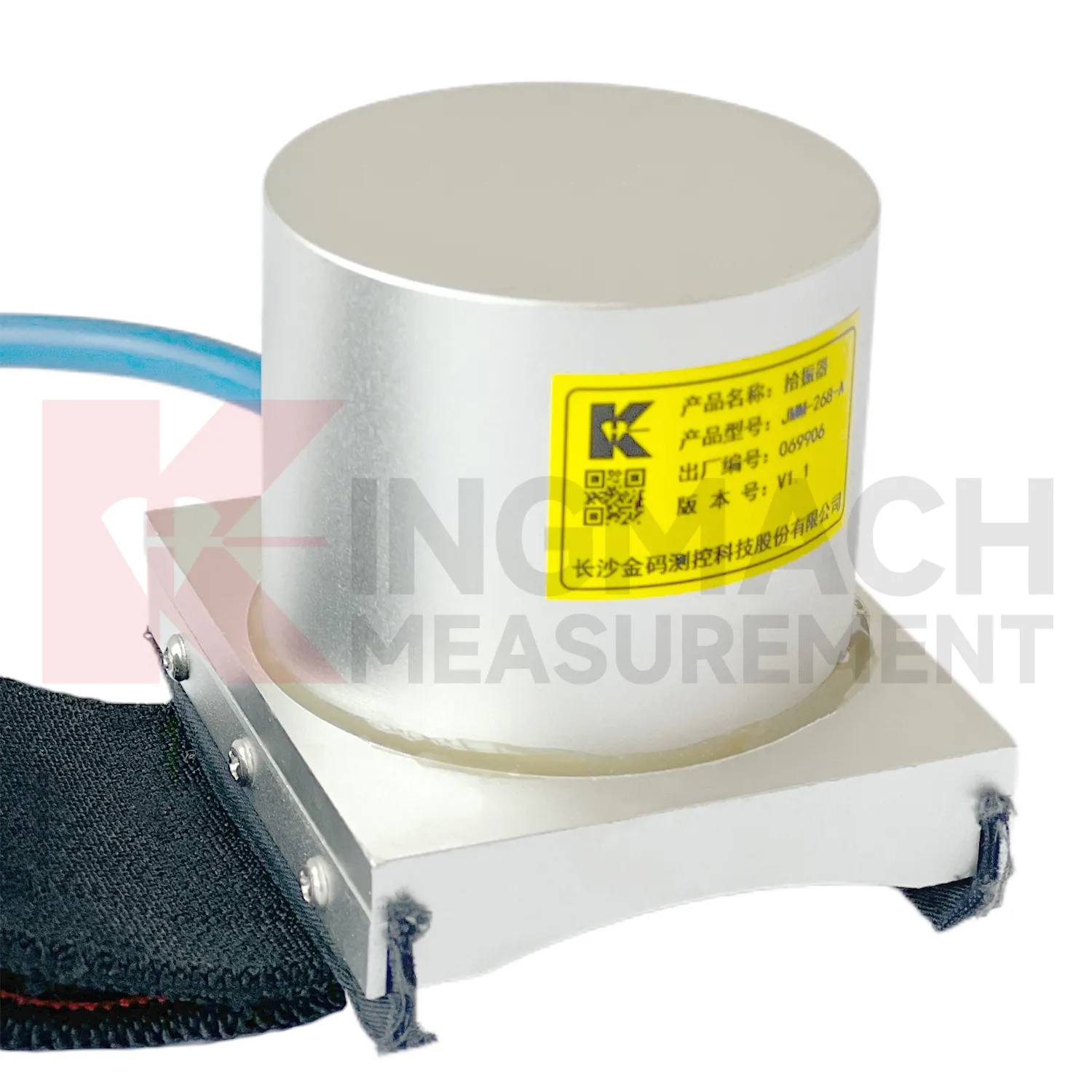
Ground and structural vibrations don’t wait for perfect conditions. An accelerometer that drifts or fails after the first rain season costs you more than its purchase price. Kingmach has been supplying seismic accelerometers to monitoring projects where data consistency matters more than glossy datasheets. Because the sensor has to survive the same environment you’re measuring. We don’t wrap every unit in marketing fluff—most of our time goes into making sure the sensor output matches what the data logger expects, and that the mounting kit won’t corrode before the next site visit. Whether you’re monitoring a dam, a high-rise, or a bridge pier, you’re essentially asking: “Will this unit give me trustworthy traces when something actually moves?” That’s the question our accelerometers are built for.
Technical Detail
Seismic accelerometers from Kingmach turn mechanical motion into a clean electrical signal, typically voltage or 4-20mA, ready for your data acquisition system. The sensing element is enclosed in a sealed housing—stainless steel is standard—with internal damping to suppress high-frequency ringing that could spoil a waveform. For most installations, a bandwidth from near-DC up to a few hundred hertz covers the structural modes you need; we can narrow or widen that according to the application. Installation is straightforward: a threaded base or mounting stud lets you anchor the unit directly to concrete, steel, or a purpose-built bracket. Orientation is marked on the body, so you know which axis you’re recording. Because field conditions vary, we offer different sensitivity grades—some projects need to catch micro-g motions from distant quarry blasts, others only care about peak accelerations during an earthquake. The connector type, cable length, and pinout can be specified when you order; we also supply junction boxes for multi-instrument arrays. Calibration sheets are included, traceable to reference standards, but if your QA procedure requires additional checks, we can arrange that as a service. Kingmach maintains a distribution network that stocks common models, which cuts lead times on routine orders. For large-scale monitoring networks, we can support customization: different mounting options, altitude adjustments, or communication module integration. The goal isn’t to sell you the most expensive sensor on the shelf—it’s to put the right accelerometer on your structure so you can forget about it and trust the data coming in.
News
Key Takeaways An alert chain needs more than a sensor: define field in...
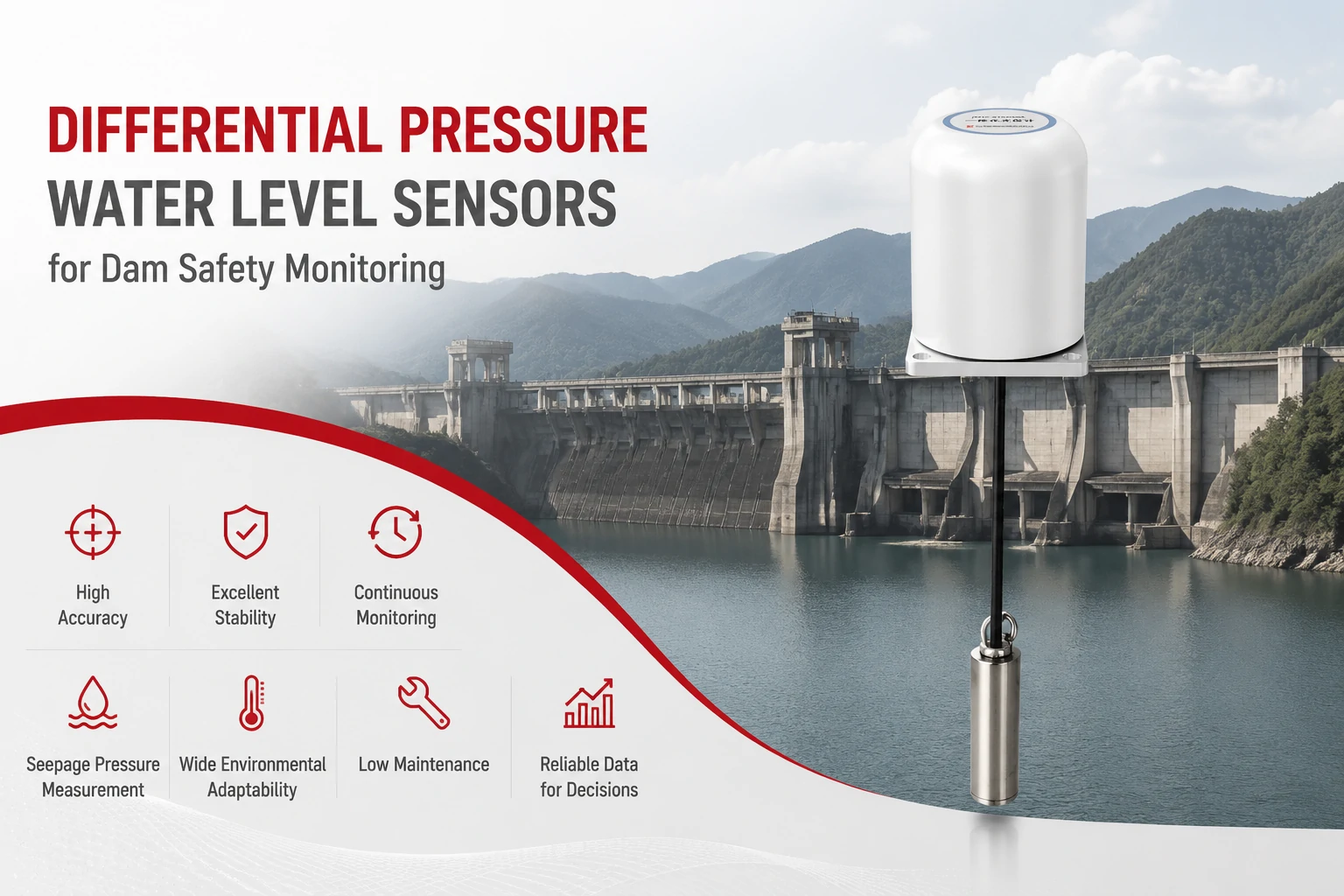
Key Takeaways The strongest fit is usually a confined, submerged, or s...
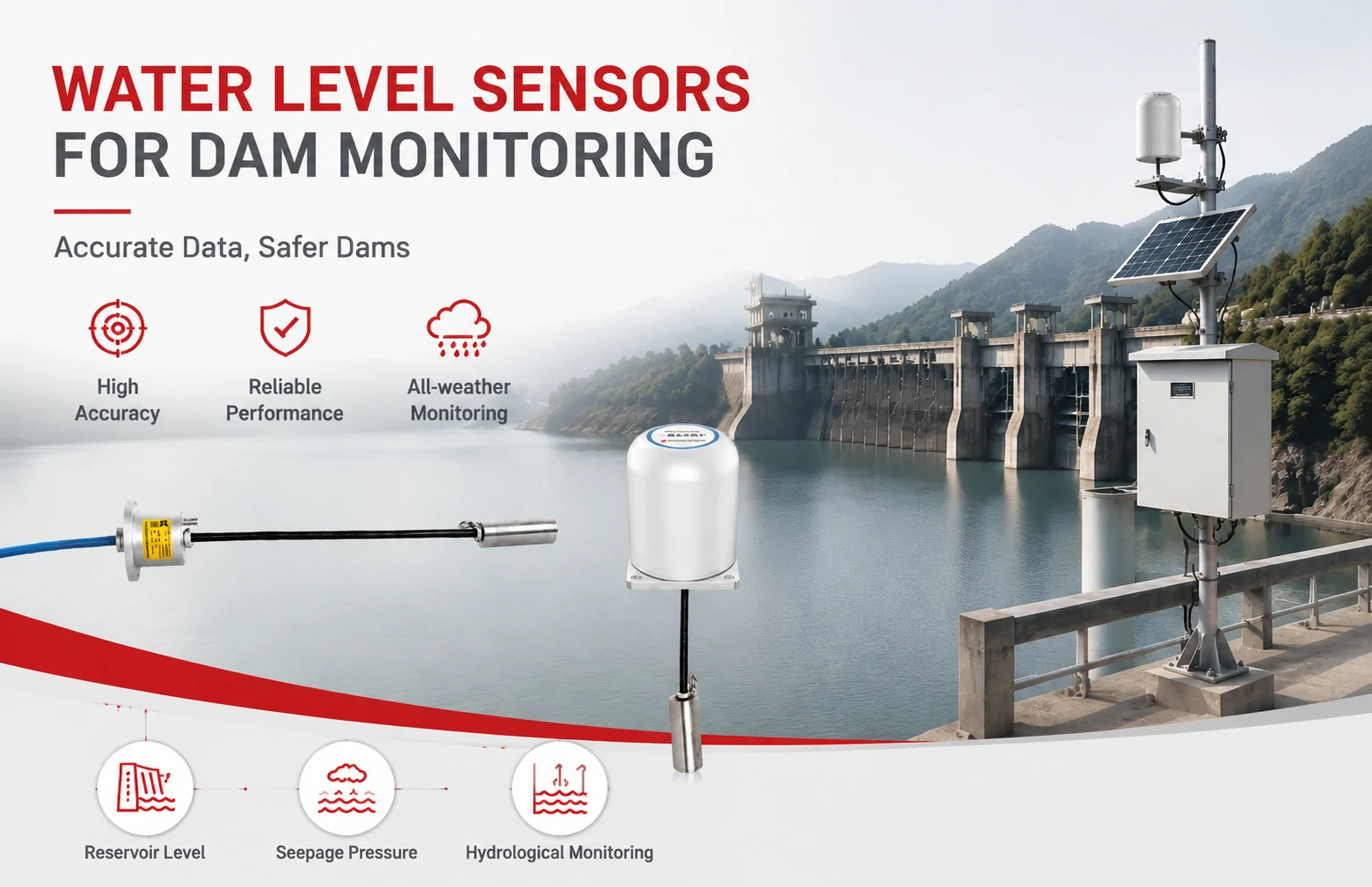
Kingmach Water Level Sensors for Dam Monitoring: A Buyer's Guide to Differential Pre...
Products
FAQ
Current-output (4-20mA) is better when the cable run between sensor and logger is long or the electrical environment is noisy—it resists interference and you can detect cable breaks. Voltage-output is fine for shorter distances and simpler loggers that have high-impedance inputs. The sensing element inside is often the same; the electronics determine the output. If you aren’t sure, tell us your cable length and we’ll suggest the safer option.
The flatter and cleaner the surface, the better the coupling. For concrete, we usually recommend a steel mounting plate grouted into the surface. For steel members, a threaded hole tapped directly into the structure gives reliable transmission up to the sensor’s bandwidth. We can supply the matching mounting hardware, and the instruction sheet shows torque values to avoid stressing the housing.
Some of our models can be adapted for borehole installation, but a standard surface-mount unit won’t survive submerged conditions. If you need a borehole sensor, tell us the casing diameter and depth—we can provide a slimline version with pressure-sealed connectors. The output signal remains the same; the packaging changes.
A field check can be done with a portable shaker or by recording ambient noise and comparing spectral content against a known baseline. If you need full recalibration, we offer that as a return-to-factory service. The initial calibration sheet gives you the reference sensitivity and frequency response to check against.
Share your product type, target capacity, and application requirements. Our team can review the details and recommend a practical next step.
If you are interested in our products or want to become our partner.
Please leave your contact information, our team will contact you as soon as possible.
Mail: [email protected]
Contact Us: +8613808434127
Address: No. 188 Tongzipo West Rd, Changsha, Hunan, China