
 EN
EN
 ar
ar bg
bg hr
hr cs
cs da
da nl
nl fi
fi fr
fr de
de el
el hi
hi it
it ko
ko no
no pl
pl pt
pt ro
ro ru
ru es
es sv
sv tl
tl iw
iw id
id lv
lv lt
lt sr
sr sk
sk sl
sl uk
uk vi
vi et
et hu
hu th
th tr
tr fa
fa ms
ms hy
hy ka
ka ur
ur bn
bn mn
mn ta
ta kk
kk uz
uz ku
ku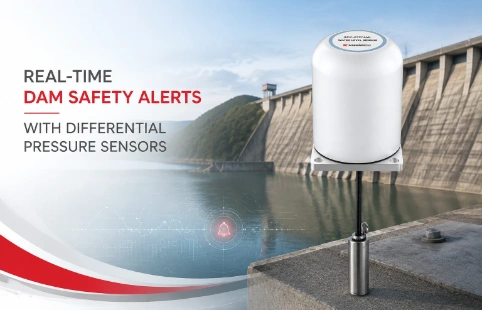
Real-Time Dam Safety Alerts with Differential Pressure Water Level Sensors
Key Takeaways An alert chain needs more than a sensor: define field in...

Vibrating Wire Piezometer for Reliable Pore Pressure Monitoring
When you need to track pore water pressure in a dam or excavation, a vibrating wire piezometer remains one of the most field-proven choices. The long-term stability of these sensors comes from a design where a wire is tensioned between a diaphragm and a rigid frame, changing frequency as pressure deforms the diaphragm. Kingmach produces its vibrating wire piezometer for exactly these jobs—the kind where zero drift matters and data must stay reliable across years of freeze-thaw cycles. What makes a piezometer fit for a tough site? It often boils down to the transducer housing and the cable seals. Kingmach pays attention to those details, using stainless steel bodies and multi-layer sealing to protect the coil and wire from moisture ingress. You can get the sensor in several ranges, from low-head applications to deeper boreholes, and with either titanium or stainless steel filters to match your soil type. The team also stocks a range of readout units and data loggers, so you're not mixing gear from different vendors. For projects where a standard catalog item won't do—like a tight borehole or a high-temperature installation—Kingmach's customization comes in handy. They can adjust cable jacket materials, mounting brackets, or even the length of the sensor body. All of this ships with proper calibration sheets, and they'll help with onsite setup questions, whether you're installing in a fully-grouted borehole or a traditional sand pack.
Technical Detail
Kingmach's vibrating wire piezometer is built around a single-coil, pluck-type sensor. The wire is clamped under high tension between a pressure-sensitive diaphragm and a rigid post. As water pressure pushes on the diaphragm, the wire's resonant frequency drops in a predictable way—this is the core of the measurement. The readout is typically displayed in engineering units via a portable readout or an autonomous data logger. On the materials side, Kingmach uses 316L stainless steel for the transducer body and makes the filter housings available in either the same stainless or titanium for more aggressive chemistry. The diaphragm itself is a thin, hardened steel disc—thin enough to respond to a few centimeters of water head but tough enough to handle accidental over-pressures of 2–3 times the rated range. Standard ranges span from 0.1 MPa up to 10 MPa, covering most civil and mining applications. The standard pressure port accepts a G1/4 thread, but Kingmach can thread it with NPT or metric fittings per your order. The cable is a four-core, shielded, vented, and armored cable. The vent tube inside the cable equalizes barometric pressure with the inside of the piezometer, so you read pore pressure, not barometric changes. A semiconductor temperature sensor is included in most models, letting you log temperature changes that can be used for correction or just knowing what's happening in the ground. Kingmach supports its piezometers with a 2-year warranty on materials and workmanship. They keep a pool of stock units for common ranges, so delivery time for small to medium orders is typically within 2-3 weeks. Each unit leaves the factory with a multi-point calibration sheet, and you can ask for recalibration services later. For big projects—say a 500-point tailings dam—they have the in-house capacity to manufacture and track each sensor by serial number to keep your QA team happy. The engineering team can also advise on installation methods, from fully-grouted boreholes to push-in rods, and provide guidance on reading equipment compatibility.
News
Key Takeaways An alert chain needs more than a sensor: define field in...
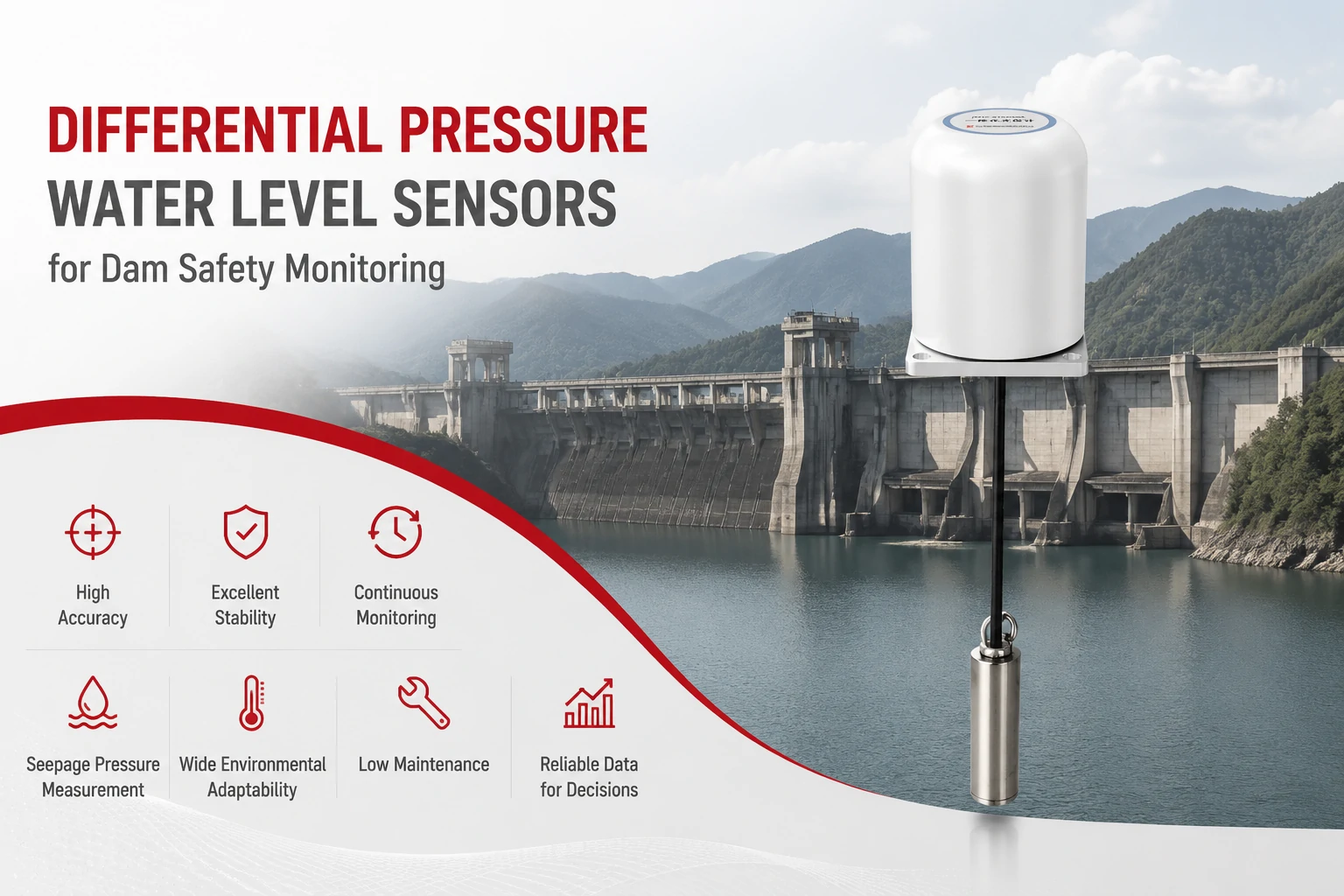
Key Takeaways The strongest fit is usually a confined, submerged, or s...
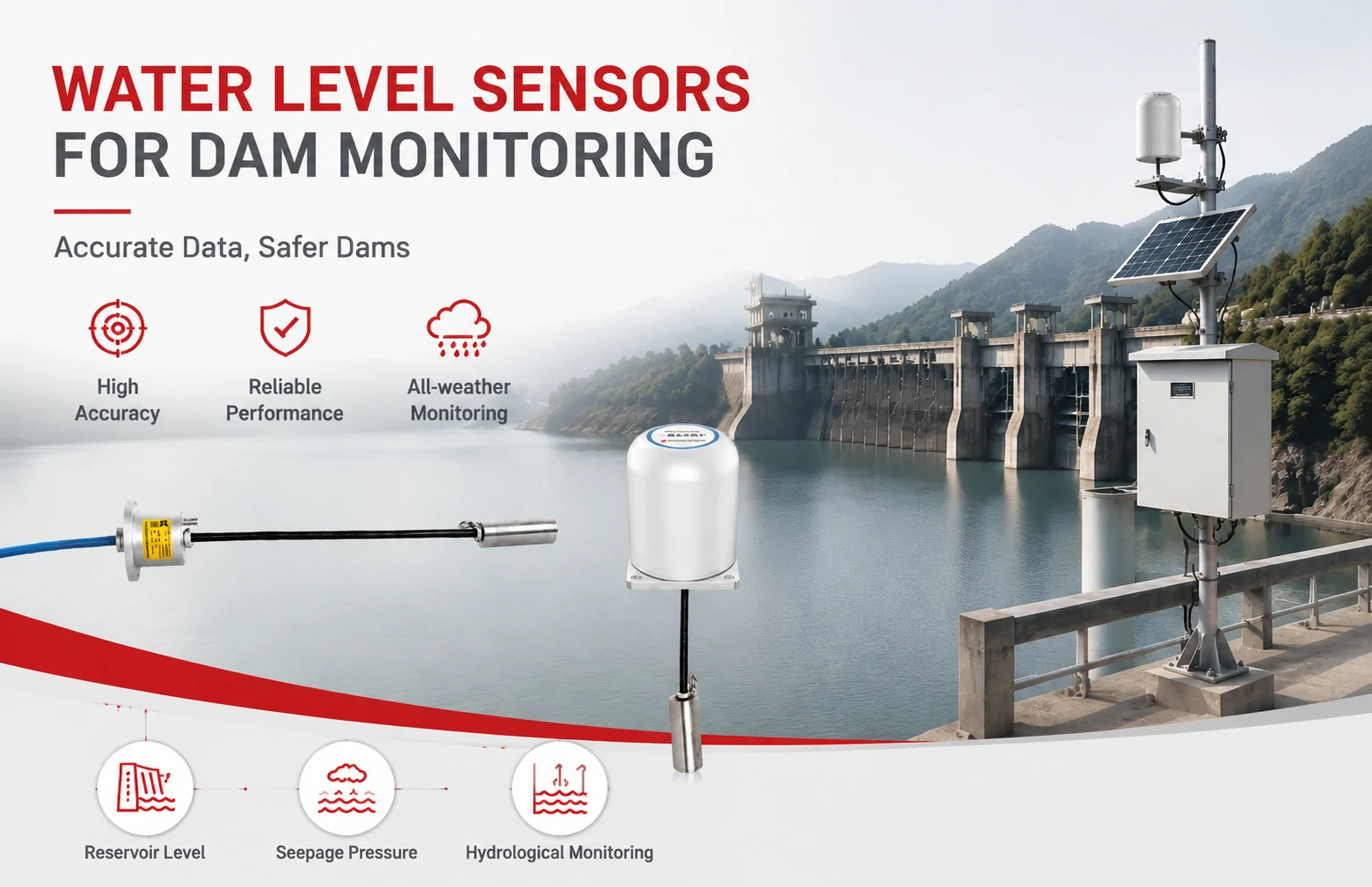
Kingmach Water Level Sensors for Dam Monitoring: A Buyer's Guide to Differential Pre...
Products
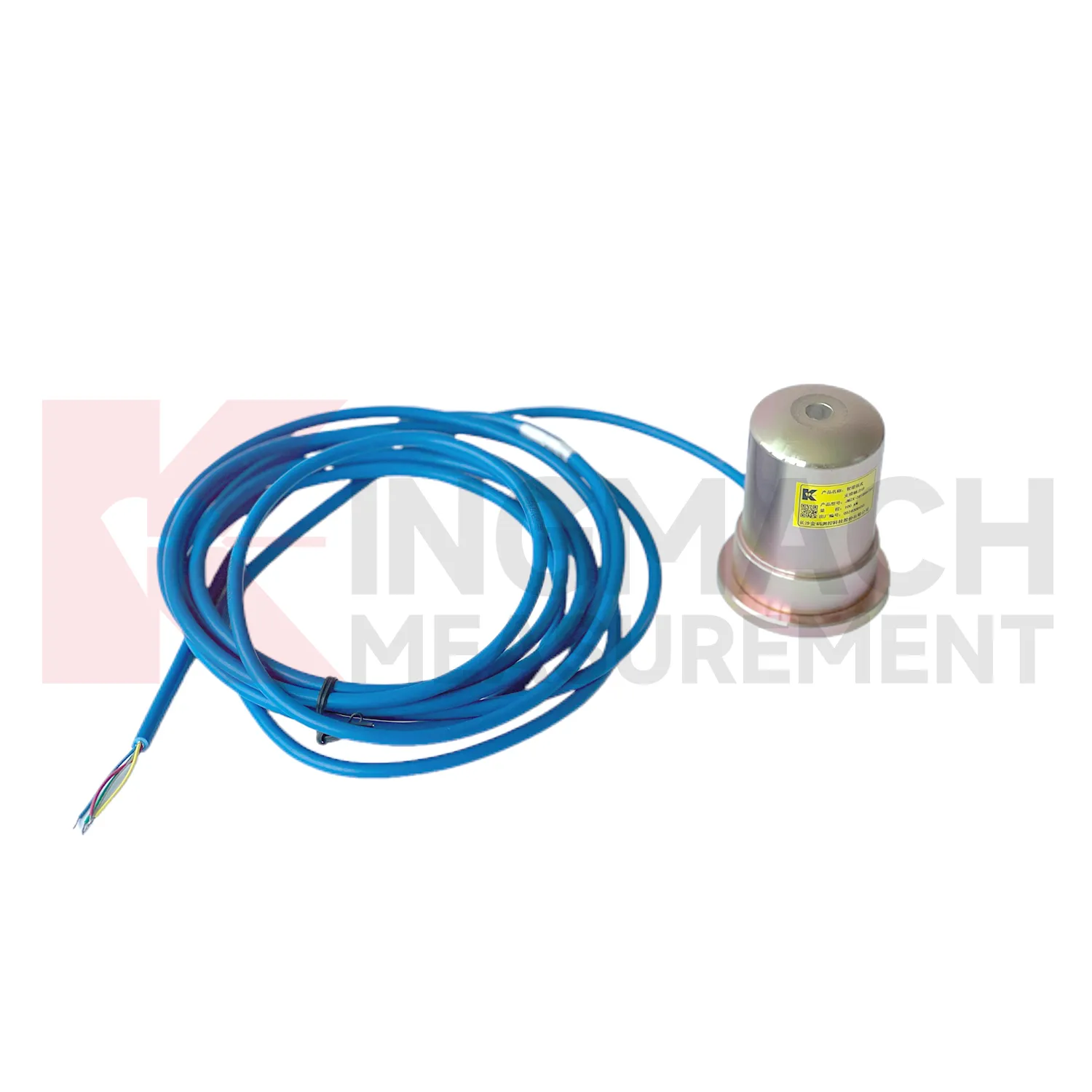
Smart Formwork Axial Force Meter(VW)JMZX-39XXHAT
View Details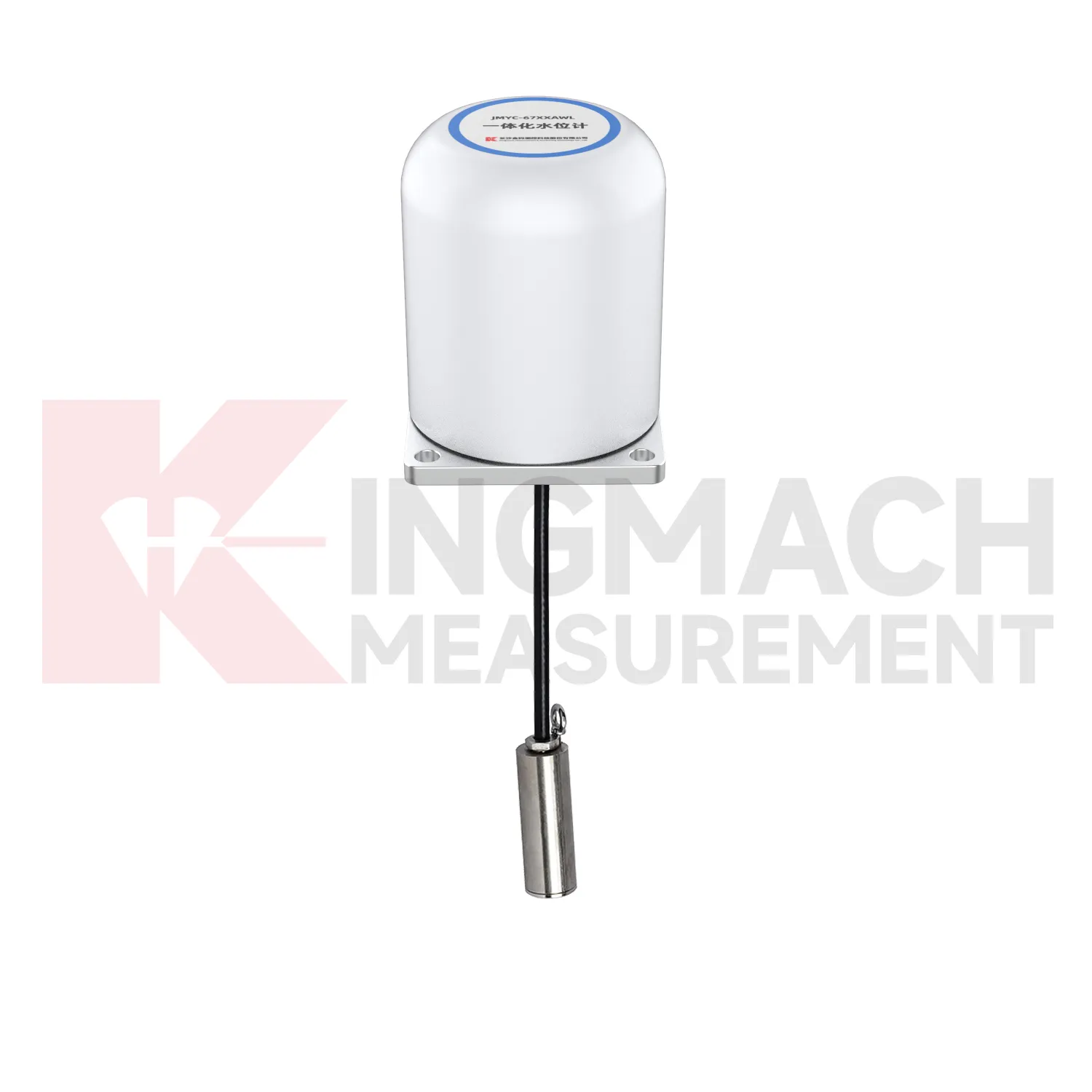
Integrated Wide-Range Differential Pressure Water Level Meter JMYC-67XXAWL
View Details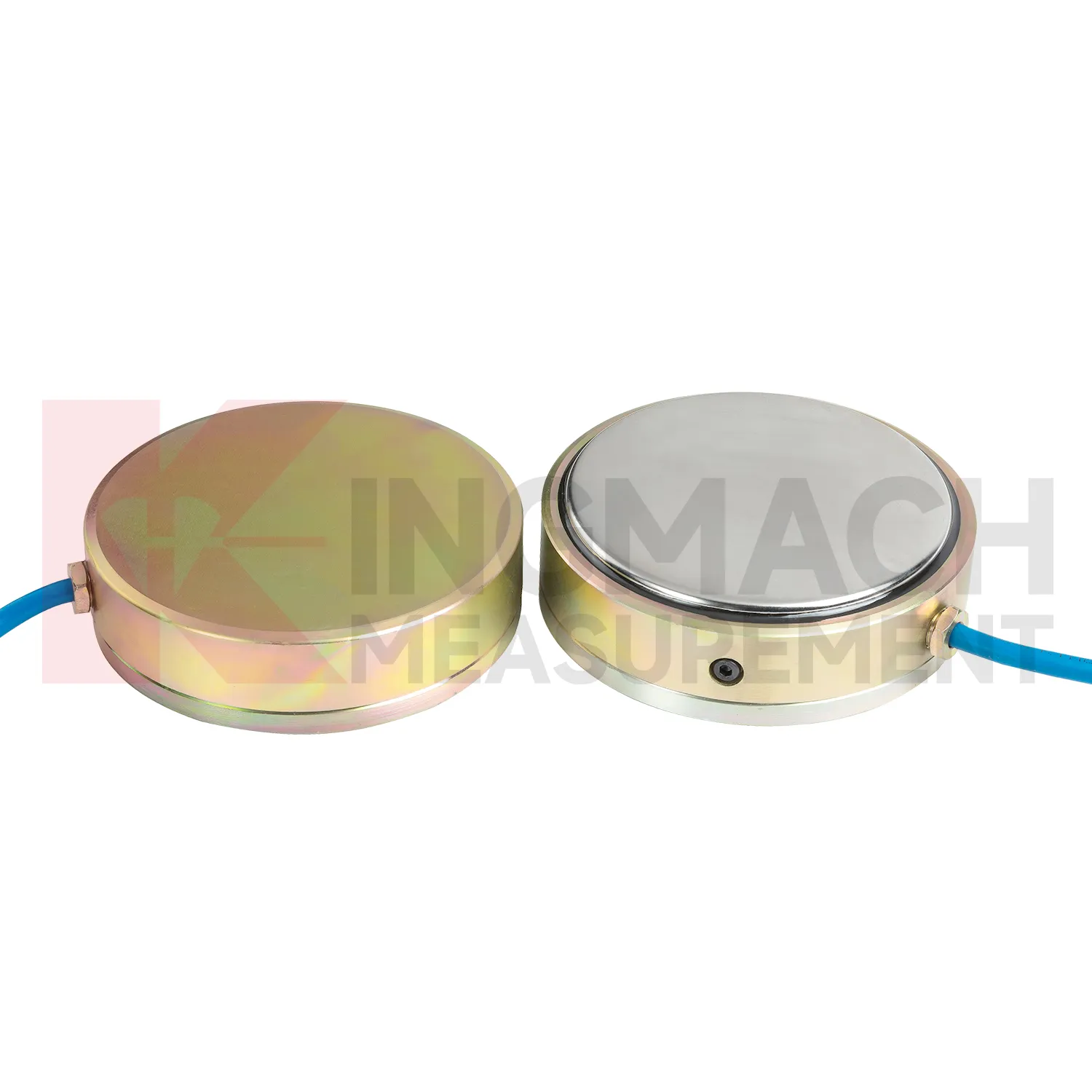
Earth Pressure Cell ( VW & Smart Type) JMZX-50XXAT/ ATM
View DetailsFAQ
Standpipe piezometers give you a water level reading that's easy to understand, but they respond slowly and can't handle artesian conditions. A vibrating wire piezometer reacts much faster to pressure changes and can be sealed in a borehole, making it suitable for automated monitoring and for sites where you need data in real time. Kingmach's version adds a temperature sensor to correct for thermal effects, something you can't easily do with a standpipe.
Yes, many projects now use a fully-grouted method where you place the piezometer directly in a cement-bentonite grout. The key is matching the grout's stiffness to the surrounding soil. Kingmach's sensors can be supplied with a larger diameter filter stone and a cage-like centralizer to keep the grout from clogging the intake. They also provide installation notes on grout mix designs that work with their sensors.
Any vibrating wire readout that can excite a pluck-type sensor and measure the resonant frequency should work. Kingmach offers its own handheld readout that displays pressure directly, as well as a multi-channel datalogger. If you're using a third-party logger, just check that it can output a 5V sweep signal and read frequencies up to 5 kHz—the standard for most vibrating wire instruments.
If the sensor is permanently installed, you typically can't recalibrate it without pulling it out. That's why factory calibration is important. Kingmach's calibration sheets show the sensor's response over its full range with a certified dead-weight tester, and the long-term drift of a good vibrating wire sensor is usually less than 0.1% FS per year. For critical applications, some users do a pre-installation check with a portable pressure calibrator; Kingmach can supply a calibration check cap for that purpose.
Cable length does affect the signal quality, but for most civil works up to 500 meters you won't see a problem if the cable is properly shielded. Kingmach's standard cable uses a foil shield and drain wire, and they've installed units beyond 1000 meters in mining projects. Longer runs require a readout that can handle slight signal attenuation, but the frequency-based signal is inherently resistant to electrical noise compared to voltage-based sensors.
Share your product type, target capacity, and application requirements. Our team can review the details and recommend a practical next step.
If you are interested in our products or want to become our partner.
Please leave your contact information, our team will contact you as soon as possible.
Mail: [email protected]
Contact Us: +8613808434127
Address: No. 188 Tongzipo West Rd, Changsha, Hunan, China