
 EN
EN
 ar
ar bg
bg hr
hr cs
cs da
da nl
nl fi
fi fr
fr de
de el
el hi
hi it
it ko
ko no
no pl
pl pt
pt ro
ro ru
ru es
es sv
sv tl
tl iw
iw id
id lv
lv lt
lt sr
sr sk
sk sl
sl uk
uk vi
vi et
et hu
hu th
th tr
tr fa
fa ms
ms hy
hy ka
ka ur
ur bn
bn mn
mn ta
ta kk
kk uz
uz ku
ku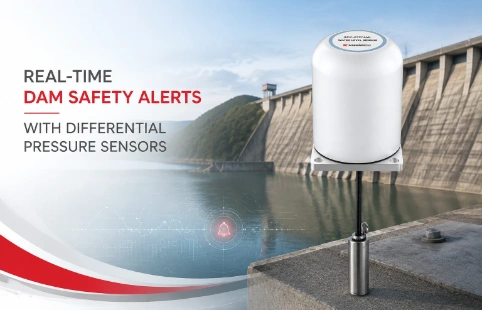
Real-Time Dam Safety Alerts with Differential Pressure Water Level Sensors
Key Takeaways An alert chain needs more than a sensor: define field in...

Vibrating Wire Strain Gauge Solutions for Diverse Monitoring Needs
Choosing a vibrating wire strain gauge often comes down to how well it holds up in the real world—buried in concrete, exposed to groundwater, or swinging with a bridge’s temperature cycles. These sensors have earned their place in long-term structural monitoring because the core measurement principle minimizes drift, and the frequency output resists interference over hundreds of meters of cable. For engineers, that means data you can trust years after installation. Kingmach has been supplying these instruments to contractors and consultants across more than 40 countries, with configurations that range from embedment and spot‑weld models to custom lengths for specific reinforcement layouts. The emphasis is on practical adaptability: if a standard gauge does not fit the rebar spacing or the required strain range, the team adjusts the design. That flexibility, combined with a global distribution setup, keeps delivery predictable even when project timelines shift.
Technical Detail
A vibrating wire strain gauge works by tensioning a steel wire between two mounting points. Strain changes shift the wire’s resonant frequency, which is picked up by an electromagnetic coil—no electrical drift, no wet connections that degrade over time. This principle makes the sensors a go‑to choice for monitoring stress in concrete piles, tunnel linings, steel girders, and dam bodies. Kingmach’s version of this technology builds on standard designs with a few practical touches. The coil assembly is sealed against moisture ingress, and the wire itself is pre‑tensioned to a range that suits both compression and tension readings in civil structures. Users get a temperature sensor inside the gauge body as a standard feature, so thermal correction is applied right at the measurement node, not guessed later from ambient logs. For projects with tricky geometry, Kingmach fabricates gauges in non‑standard lengths—say 150mm instead of the usual 165mm—to fit between dense rebar. The same workshop can also prepare arc‑weldable end blocks for steel surfaces or flanged mounts for concrete embedment, depending on the site requirement. Data acquisition is kept straightforward: the frequency signal feeds directly into common readout units, and Kingmach provides a simple conversion formula tied to the gauge factor determined during calibration. Technical support can be reached through local distributors or directly with the engineering group in Beijing, which helps when a site crew needs quick guidance on waterproofing the splice or interpreting a jump in readings after a pour. Between the adaptable production batch sizes and a restocking program for regularly ordered variants, inventory lead times rarely stretch beyond what a typical construction schedule expects. For engineers managing multiple monitoring points, Kingmach also bundles gauges with compatible dataloggers and multiplexers from their parent product line, which simplifies procurement and cabling compatibility.
News
Key Takeaways An alert chain needs more than a sensor: define field in...
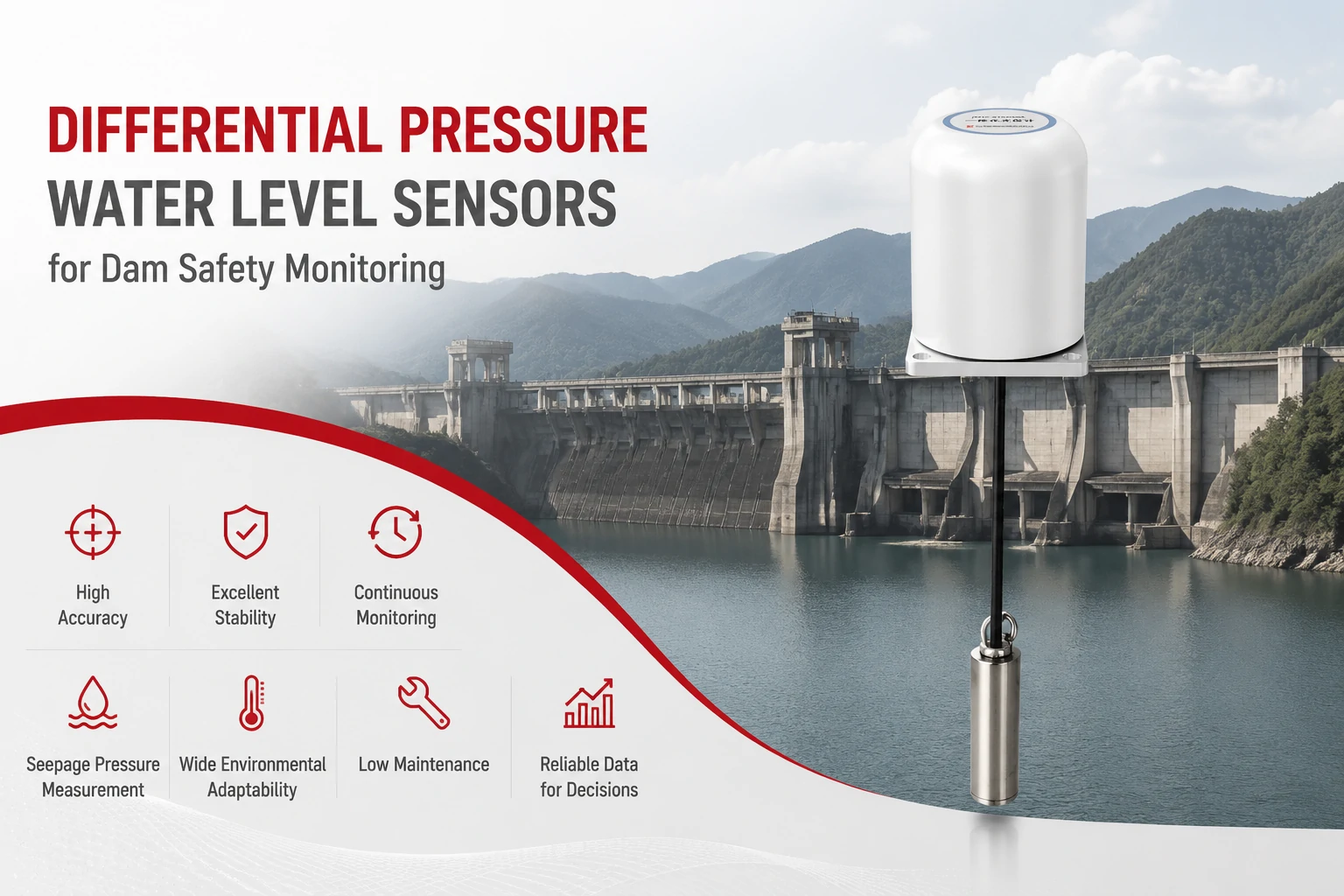
Key Takeaways The strongest fit is usually a confined, submerged, or s...
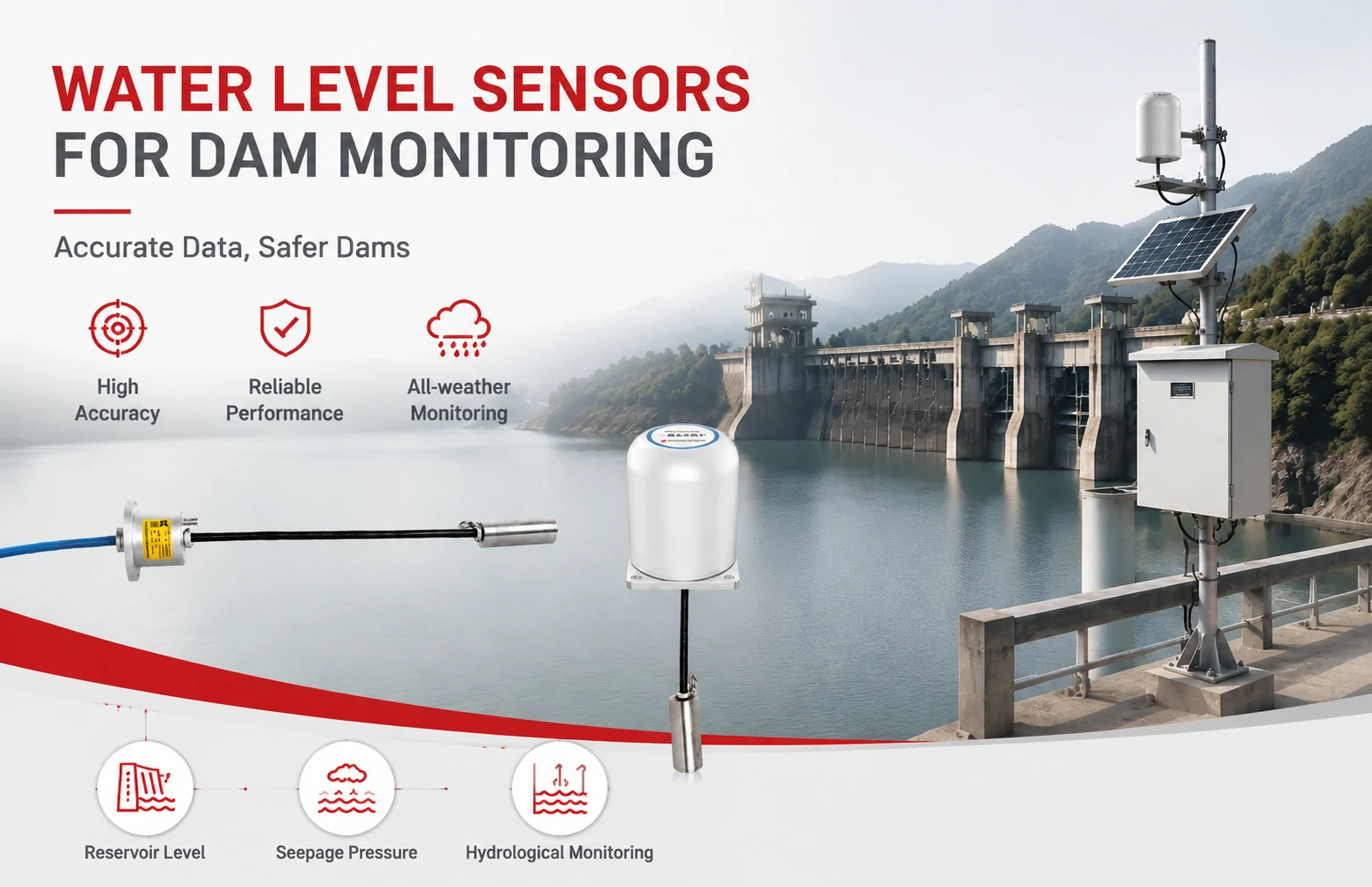
Kingmach Water Level Sensors for Dam Monitoring: A Buyer's Guide to Differential Pre...
Products
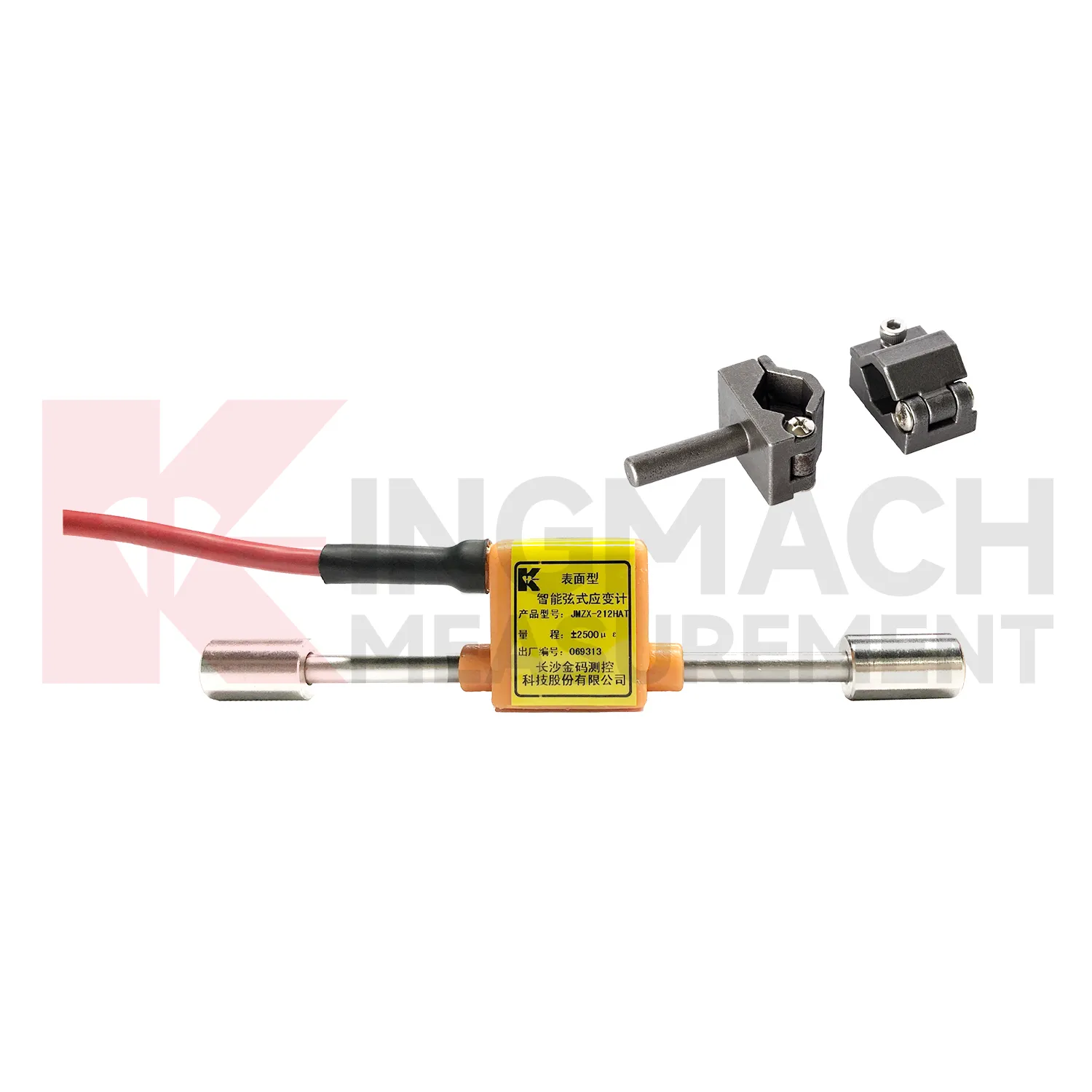
Smart vibrating wire strain gauge (surface model) JMZX-212HAT/HB
View Details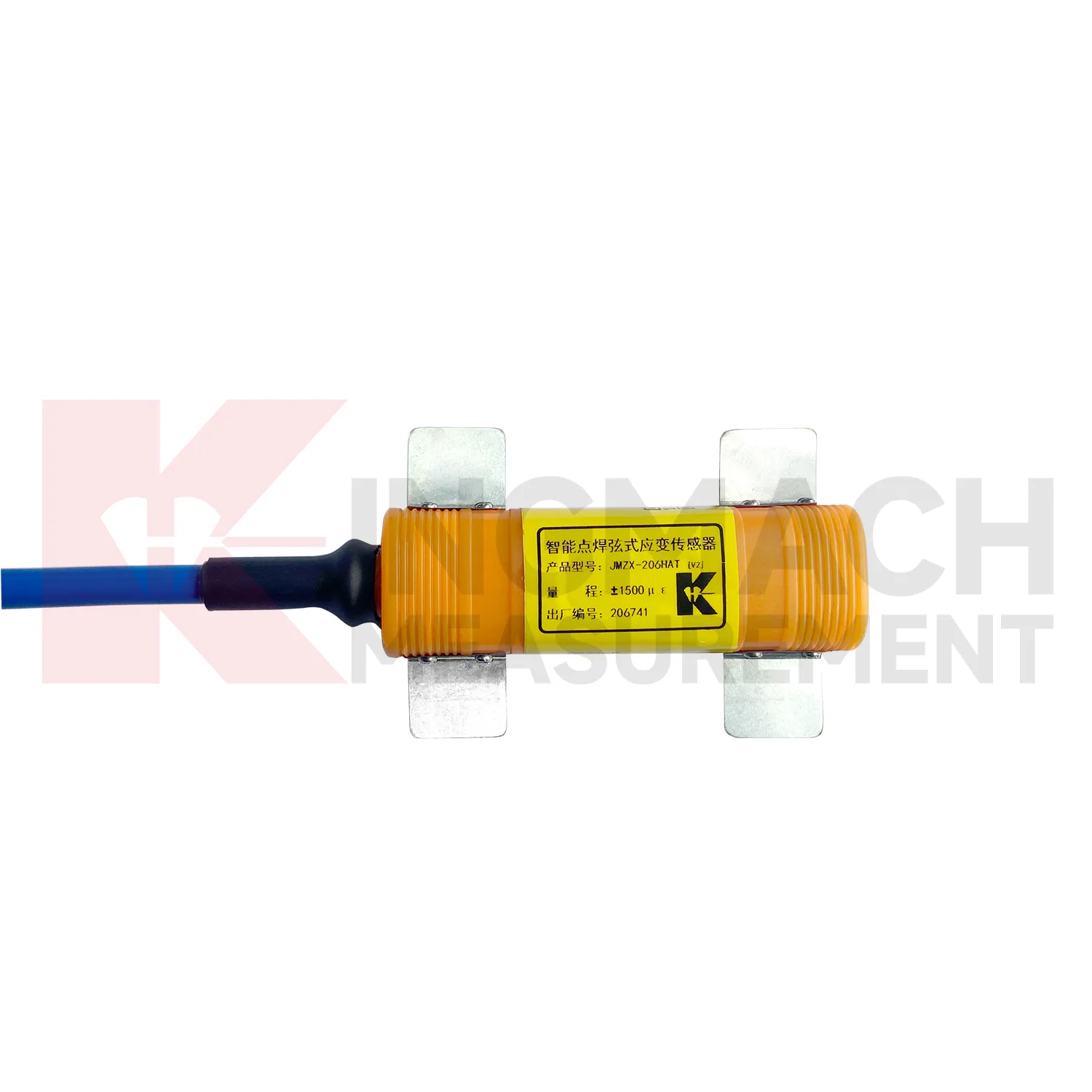
Smart vibrating wire strain gauge (surface welded model) JMZX-206HAT
View Details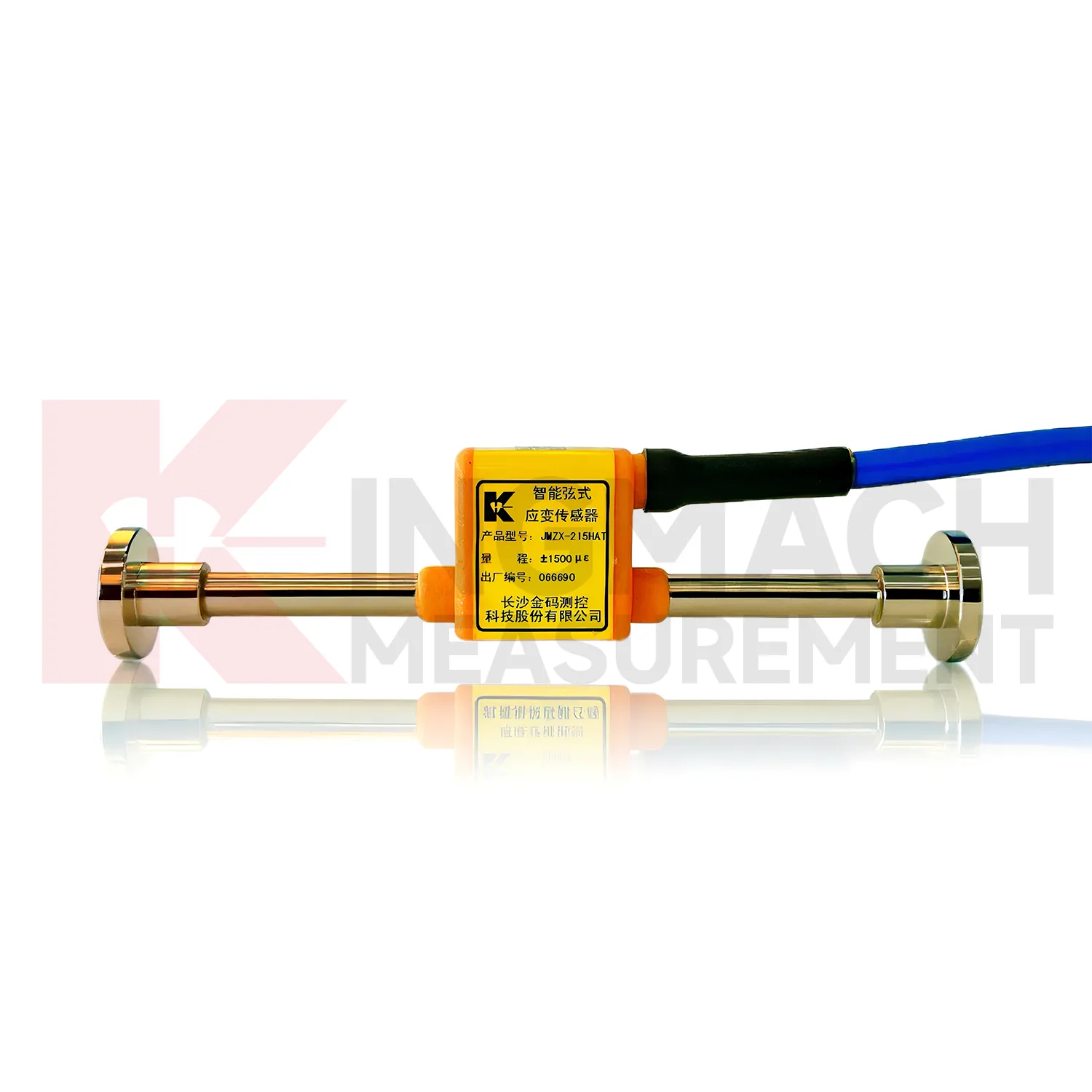
Smart vibrating wire strain gauge (embedment model) JMZX-215HA/215HAT/HB
View DetailsFAQ
Embedment gauges are cast directly into fresh concrete and measure internal strain. Spot‑weld types attach to reinforcement bars before pouring; they tell you what the steel is doing. On a bridge deck, you often use both: embeds for the slab itself and spot‑welds on the girders below. Kingmach can supply either configuration with the same cable specs so you do not end up with two different readout setups on one site.
Yes, if the cable connection is handled correctly. The gauge body itself is sealed, but the splice between the gauge cable and the extension cable is the weak point. On dam and marine projects, installers typically cast the splice inside epoxy‑potted junction boxes or run the factory‑attached cable all the way to the readout station. Kingmach’s standard cable jacket is pressure‑rated up to 1MPa for short‑term submersion, but for permanent underwater use the team can supply a polyurethane‑jacketed option with molded seals at the gauge end.
Any readout that excites the coil and reads the frequency response—most dataloggers from Campbell Scientific, Geokon, or Kingmach’s own KMS‑150 series. You measure the period in microseconds, square it, and multiply by the gauge factor from the calibration sheet. If the project already uses a multiplexer, Kingmach’s gauges come with color‑coded conductors that match common wiring schemes, so the field crew does not have to re‑pin connectors.
Yes, we often shorten the standard 165mm body to 120mm or 140mm if the rebar layout is tight. The gauge factor shifts slightly with the shorter wire length, so each sensor gets a unique calibration certificate. Ordering 20‑50 units at a time keeps the cost per gauge reasonable, and lead time is about two weeks on average.
The frequency signal is immune to cable resistance changes, so length is rarely an issue for measurement accuracy. Installers have successfully run 500m spans with no drop in reading quality. The practical limit comes from the cable capacitance affecting the excitation pulse; beyond 800m you may need a heavier‑gauge conductor or a line driver, which Kingmach can provide as a small inline module.
Share your product type, target capacity, and application requirements. Our team can review the details and recommend a practical next step.
If you are interested in our products or want to become our partner.
Please leave your contact information, our team will contact you as soon as possible.
Mail: [email protected]
Contact Us: +8613808434127
Address: No. 188 Tongzipo West Rd, Changsha, Hunan, China