
 EN
EN
 ar
ar bg
bg hr
hr cs
cs da
da nl
nl fi
fi fr
fr de
de el
el hi
hi it
it ko
ko no
no pl
pl pt
pt ro
ro ru
ru es
es sv
sv tl
tl iw
iw id
id lv
lv lt
lt sr
sr sk
sk sl
sl uk
uk vi
vi et
et hu
hu th
th tr
tr fa
fa ms
ms hy
hy ka
ka ur
ur bn
bn mn
mn ta
ta kk
kk uz
uz ku
ku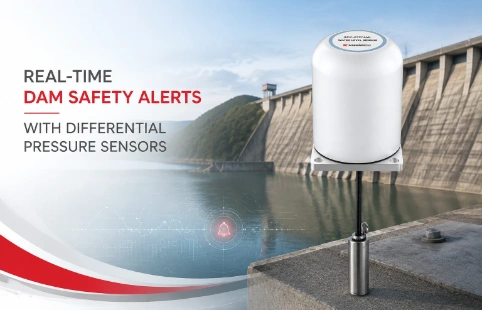
Real-Time Dam Safety Alerts with Differential Pressure Water Level Sensors
Key Takeaways An alert chain needs more than a sensor: define field in...

Precision Crack Monitoring Gauges for Long-Term Monitoring
A crack in a concrete dam or a tunnel lining isn’t just a line on the surface—it’s a data point that can signal deeper structural shifts. Crack monitoring gauges turn that visual clue into measurable, actionable information. Kingmach has been equipping engineers with these instruments long enough to know that no two sites are the same. Their range spans from simple mechanical tell-tales for quick visual checks to gauges that feed data directly into your monitoring network. They’re built to handle everything from dusty construction sites to permanently damp tunnel walls. And if a standard 50-millimeter range or a typical anchor pattern doesn’t match your project, Kingmach’s engineering team can tweak the specifications. The idea isn’t just to sell you a gauge—it’s to make sure you get the right readings, month after month, without second-guessing your equipment.
Technical Detail
Kingmach crack monitoring gauges are designed with the realities of field work in mind. The bodies typically use stainless steel for corrosion resistance, and the mechanical movement is sealed against dust and moisture. You can read results directly off a large, clear dial or, for remote sites, configure the gauge with an electronic displacement sensor—usually an LVDT or potentiometer—that ties into your data logger. Common range options are 25, 50, and 100 millimeters, with graduations down to 0.01 millimeters. Fixing the gauge to the structure is straightforward: most models come with anchor bolts or bonded mounting pads, and installation takes less than an hour with basic tools. Beyond the hardware, what sets Kingmach apart is how they handle customization. Need a longer gauge length to span a wide joint? Corrugated protective bellows for a particularly dusty environment? Extra anchoring points for uneven surfaces? These are typical requests that their production team can accommodate without lengthy delays. Their geotechnical background also means you’re not just buying a sensor; you’re getting advice on placement strategy, temperature compensation, and interpreting trend data. With a distribution network that includes local technical support in several regions, spare parts and recalibration services are usually accessible without long transit times. Whether you’re monitoring a historic masonry wall or a fresh shotcrete lining, Kingmach gauges aim to give you readings you can trust, with the flexibility to adapt as your project evolves.
News
Key Takeaways An alert chain needs more than a sensor: define field in...
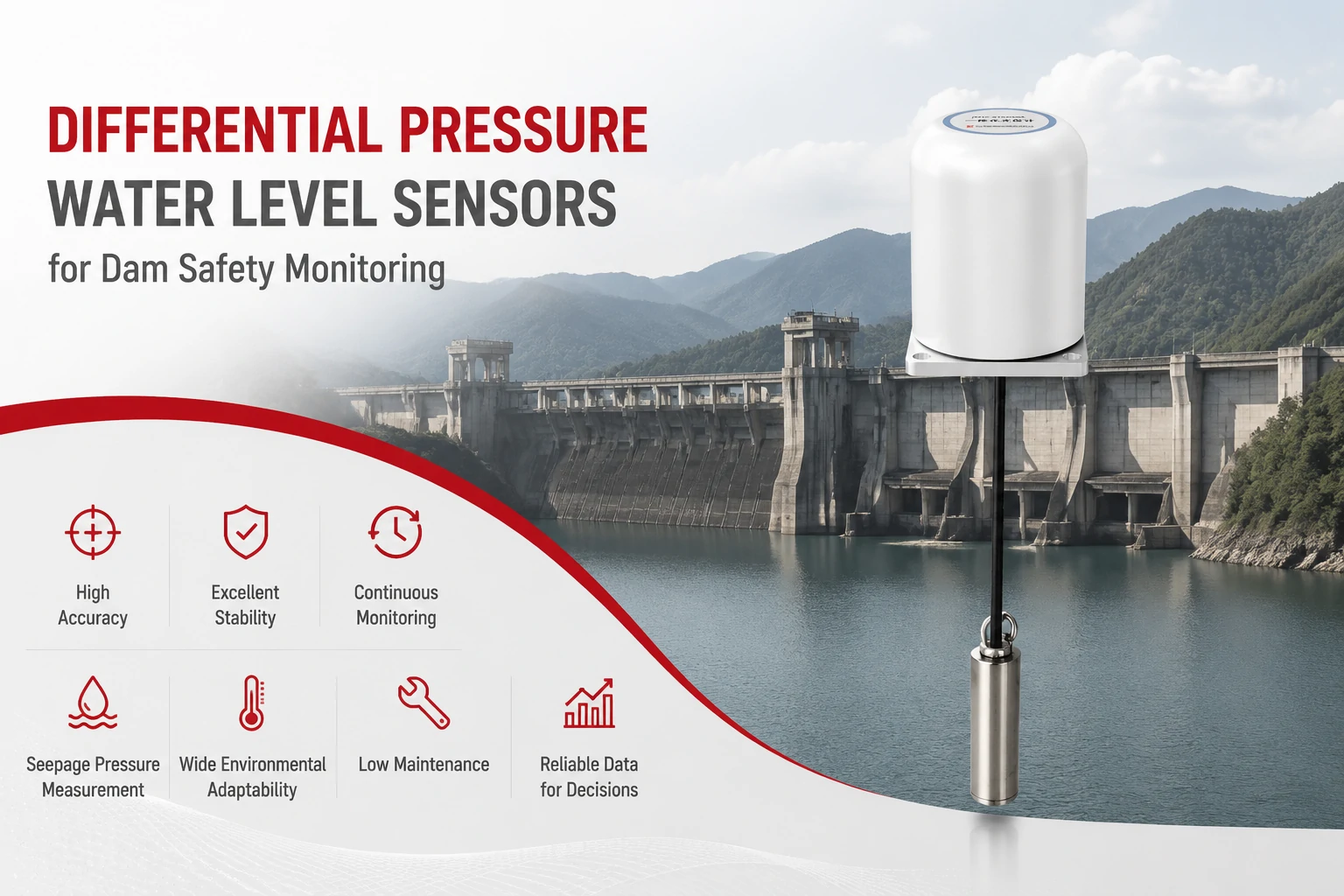
Key Takeaways The strongest fit is usually a confined, submerged, or s...
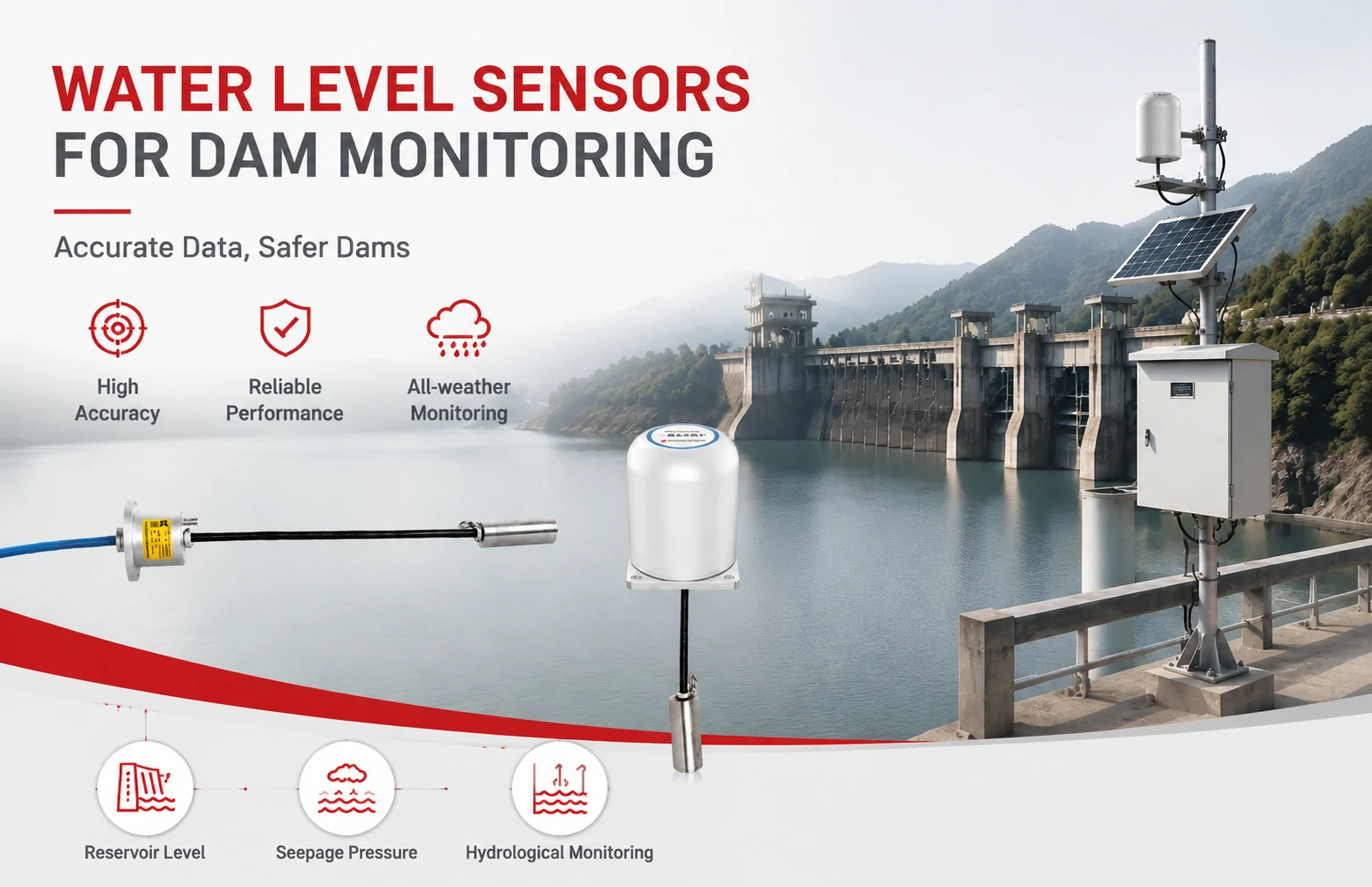
Kingmach Water Level Sensors for Dam Monitoring: A Buyer's Guide to Differential Pre...
Products
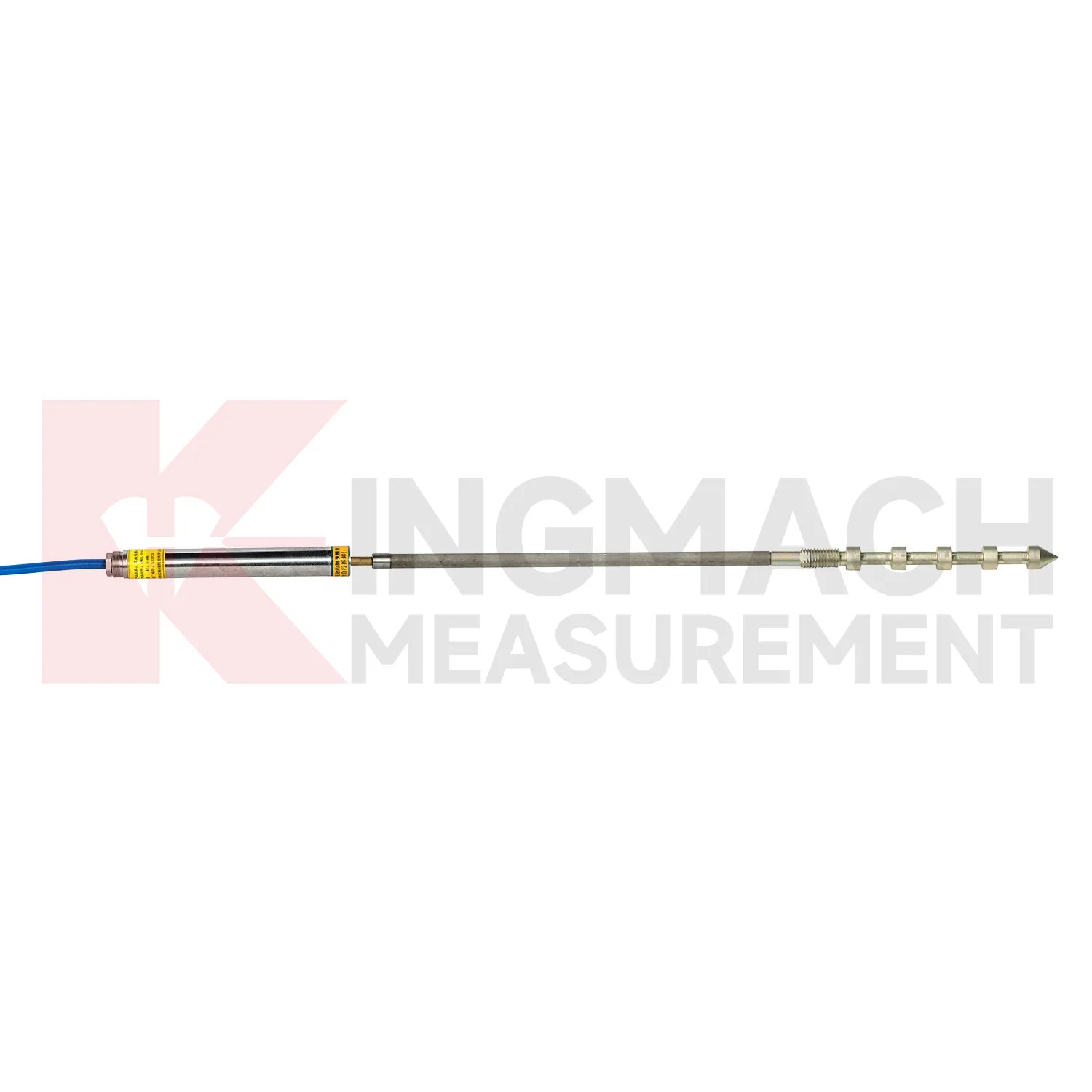
Smart Single-Point Bedrock Displacement Meter JMDL-32XXAT
View Details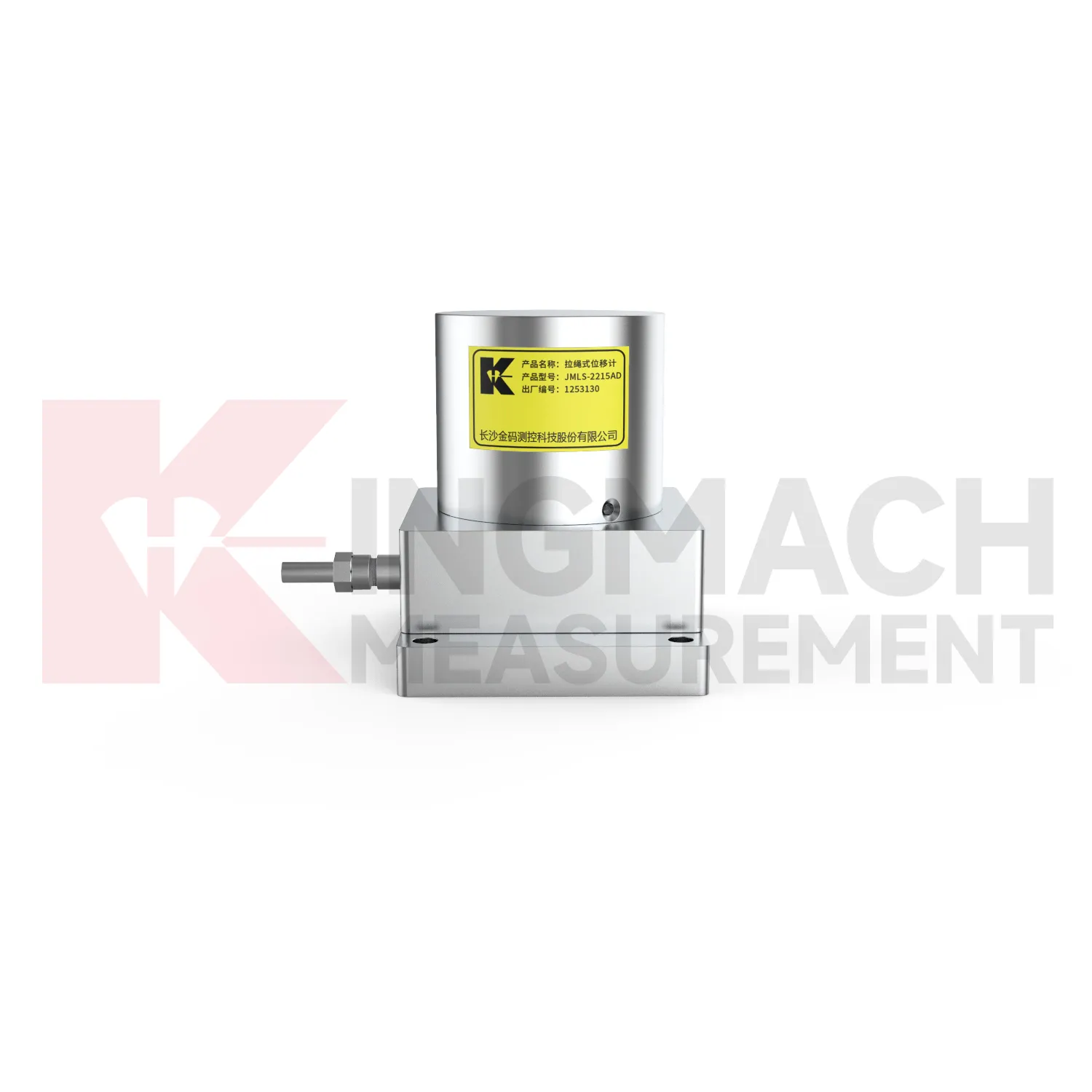
FAQ
The mechanical gauges typically have a graduation of 0.01 mm, allowing you to detect sub-millimeter movements. For electronic versions, the resolution depends on the sensor and data acquisition system, but 0.01 mm or better is common.
Yes, they are built for outdoor use. Stainless steel parts, weatherproof seals, and optional protective covers help them withstand rain, UV, and temperature swings. For extreme conditions, we recommend additional shielding or remote electronic readouts.
It comes down to how often you need readings and how accessible the crack is. A mechanical gauge with a visual scale is low-maintenance and works well for periodic manual checks. If the crack is in a hard-to-reach spot or you need continuous data for analysis, an electronic gauge connected to a logger or telemetry system is the better choice. Kingmach can supply both types and advise on integration.
Typically, you drill small holes for anchor bolts on either side of the crack, secure the mounting brackets, and attach the gauge. For delicate surfaces, we can provide adhesive-based anchors. We also supply alignment tools and installation guides to help get the gauge properly aligned.
Yes, customization is an important part of our service. We can adjust the measurement range, the physical length of the gauge, the type of output signal, and even the protective enclosure. Let us know your monitoring plan, and we’ll propose a suitable configuration.
Share your product type, target capacity, and application requirements. Our team can review the details and recommend a practical next step.
If you are interested in our products or want to become our partner.
Please leave your contact information, our team will contact you as soon as possible.
Mail: [email protected]
Contact Us: +8613808434127
Address: No. 188 Tongzipo West Rd, Changsha, Hunan, China